Introduction
When embarking on your woodworking journey, you may find yourself asking, "Should I master basic joinery before attempting complex projects?" This question is pivotal for both novice and experienced woodworkers, especially if you're focused on budget builds. In this article, we will discuss the significance of mastering basic joinery techniques, how they can save you money, and provide tips for selecting affordable materials.
The Importance of Basic Joinery
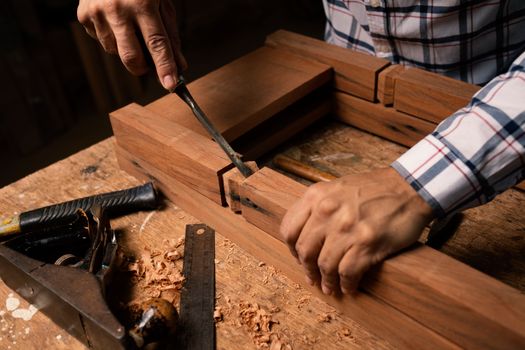
Joinery is the backbone of woodworking. It refers to the methods used to connect pieces of wood together. Mastering basic joinery techniques is crucial for several reasons:
- Strength: Proper joinery ensures that your furniture is sturdy and can withstand daily use.
- Aesthetic Quality: Well-executed joints can enhance the visual appeal of your pieces.
- Skill Development: Understanding the fundamentals of joinery allows you to tackle more complex projects with confidence.
- Cost Efficiency: Learning basic techniques can help you avoid costly mistakes that come with advanced methods.
Types of Basic Joinery Techniques
Before you jump into complex projects, it’s essential to familiarize yourself with a few basic joinery techniques:
- Butt Joint: The simplest form of joinery, where two pieces of wood are joined end-to-end or at a right angle. It's easy to make but requires additional reinforcement.
- Lap Joint: Involves overlapping two pieces of wood, providing a larger surface area for gluing and fastening.
- Dado Joint: A groove cut into one piece of wood to accept another, offering great strength and stability.
- Mortise and Tenon: A traditional joint that involves a protruding tenon on one piece fitting into a mortise on another. This joint is strong and widely used in furniture making.
Building Confidence Through Practice
Before diving into complex projects like building a dining table or a bookcase, practicing these basic joints can significantly boost your confidence. Start with small projects that focus on using one or two types of joints. For instance, you could build:
- A simple shelf using butt joints.
- A small bench with lap joints.
- A picture frame using miter joints.
These projects will not only help you hone your skills but also provide a sense of accomplishment as you see your work come together.
Cost-Saving Tips for Budget Builds
Woodworking can be an expensive hobby if you're not careful. Here are some cost-saving tips to help you stay within budget while mastering your joinery skills:
- Choose Affordable Materials: Look for plywood, MDF, or reclaimed wood as they are often cheaper than solid hardwoods. They can still yield great results if used correctly.
- Utilize Off-Cuts: Keep an eye on scrap wood from previous projects. These pieces can be perfect for practicing joinery without the fear of wasting expensive materials.
- Buy in Bulk: Purchase wood in larger quantities to save on per-unit costs. Local lumber yards often provide discounts for bulk purchases.
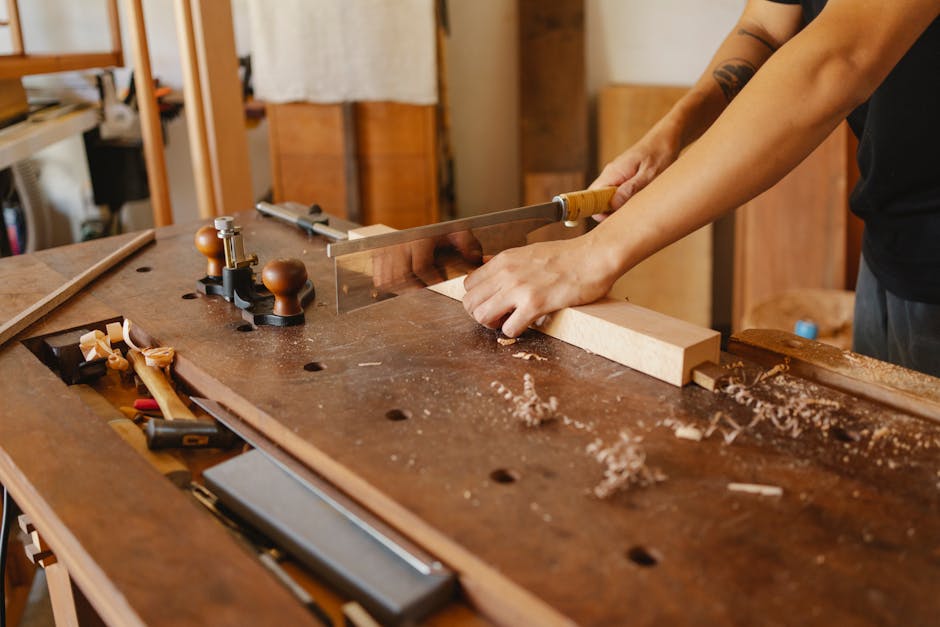
- Use Hand Tools: Invest in basic hand tools rather than expensive power tools. Hand tools can be more affordable and allow for greater precision in joinery.
Utilizing Resources Like Ted's Woodworking
If you're looking for plans to help guide your projects, resources like Ted's Woodworking can be invaluable. They provide detailed plans that cater to both beginners and advanced woodworkers, helping you navigate through various joinery techniques while keeping your projects budget-friendly.
Conclusion
In conclusion, mastering basic joinery techniques is a necessary step before attempting complex woodworking projects. Not only does it build your skills and confidence, but it also aids in saving costs on materials and preventing mistakes. Embrace the fundamentals, practice diligently, and you will be well-prepared to tackle larger projects while keeping your budget in check.
FAQs
- Do I need expensive tools to master joinery?
No, many basic joinery techniques can be executed with affordable hand tools. - How can I practice joinery without spending much?
Use scrap wood or inexpensive materials like plywood or MDF to practice your techniques. - What are some recommended projects for beginners?
Start with simple projects like shelves, picture frames, or small benches that focus on fundamental joinery techniques.
📚 Related Articles
🔨 Want 16,000+ Woodworking Plans?
Get instant access to step-by-step plans with blueprints and cut lists.
Get Instant Access →