Introduction
Choosing the right joinery tools is crucial for any woodworking project, especially if you're looking to build furniture. With so many options available, it can be overwhelming, particularly for beginners. This article will guide you through selecting tools tailored to your skill level while highlighting common mistakes and troubleshooting tips.
Understanding Joinery
Joinery refers to the techniques used to connect pieces of wood together. The strength and aesthetics of your furniture depend significantly on the quality of your joinery. Here are some common joinery techniques:
- Butt Joint
- Dado Joint
- Rabbet Joint
- Mortise and Tenon Joint
- Finger Joint
Each technique requires specific tools, which means your choice will heavily depend on your experience level.
Choosing Tools for Your Skill Level
Here’s a breakdown of tool options based on different skill levels:
Beginner Level
If you're just starting, it's best to keep things simple. Focus on hand tools and basic power tools that allow for easy operation and learning. Here are some essential tools:
- Hand Saw: A versatile tool for making straight cuts.
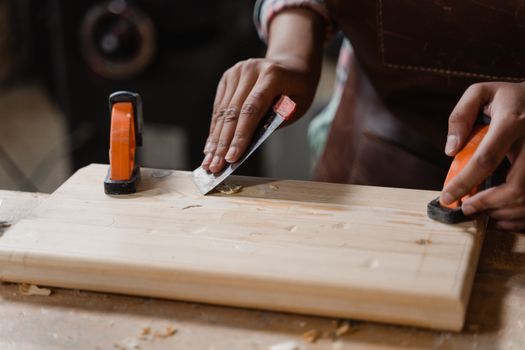
- Chisels: Useful for cleaning up joints and creating precise cuts.
- Clamps: Essential for holding pieces together while the glue dries.
- Drill: A must-have for making holes for screws and dowels.
Common Mistake: Beginners often rush into using power tools without mastering hand tools first. Fix: Start with hand tools to develop your skills before moving on to power tools.
Intermediate Level
If you have some experience and want to take your joinery to the next level, consider investing in more specialized tools:
- Table Saw: Great for making precise cuts and ripping lumber.
- Router: Excellent for adding decorative edges and creating joinery.
- Mortiser: Perfect for creating mortises quickly and accurately.
Common Mistake: Intermediate woodworkers may underestimate the importance of setup and calibration with power tools. Fix: Always read the manual and spend time calibrating your tools for accuracy.
Advanced Level
For seasoned woodworkers, the focus shifts to precision and efficiency. Here are some advanced tools to consider:
- Joiner: A powerful tool for creating flat surfaces and perfect edges.
- Band Saw: Excellent for making intricate cuts and resawing lumber.
- Doweling Jigs: Essential for creating strong, aligned dowel joints.
Common Mistake: Advanced woodworkers sometimes overlook the importance of maintaining their tools. Fix: Regularly clean and maintain your tools to ensure they perform at their best.
Where to Find Plans and Resources
When choosing joinery tools, it’s also essential to consider the projects you want to undertake. A great resource for furniture plans is Ted Woodworking, which offers a wide range of detailed plans suitable for various skill levels. Utilizing these plans can help you understand which tools you'll need for specific projects.
Tips for Effective Joinery
Regardless of your skill level, here are some additional tips for effective joinery:
- Practice: Spend time honing your skills on scrap wood before working on actual projects.
- Measure Twice, Cut Once: Accurate measurements can save you from costly mistakes.
- Stay Organized: Keep your workspace clean and organized to avoid accidents and lost tools.
These practices will not only improve your skills but also enhance the quality of your finished furniture.
Conclusion
Choosing the right joinery tools based on your skill level is essential for successful woodworking projects. By understanding the necessary tools, avoiding common mistakes, and continually practicing, you can elevate your joinery skills and create beautiful, lasting furniture. Remember to utilize resources like Ted Woodworking to guide your projects and tool selection.
FAQ
1. What are the most essential tools for a beginner woodworker?
The most essential tools for beginners include a hand saw, chisels, clamps, and a drill.
2. How do I maintain my woodworking tools?
Regularly clean your tools after use, sharpen blades as needed, and store them in a dry place to prevent rust.
3. Where can I find woodworking plans?
You can find woodworking plans at various resources, including Ted Woodworking, which offers a comprehensive selection for all skill levels.
📚 Related Articles
🔨 Want 16,000+ Woodworking Plans?
Get instant access to step-by-step plans with blueprints and cut lists.
Get Instant Access →