The Best Five Tools for Hand-Cutting Joinery Techniques
When it comes to hand-cutting joinery, the right tools can make all the difference in achieving precision and craftsmanship. Whether you're a seasoned woodworker or just starting out, knowing which tools to use can enhance your joinery skills. In this article, we will explore the best five tools for hand-cutting joinery techniques, discussing their pros and cons to help you make informed decisions.
1. Chisels
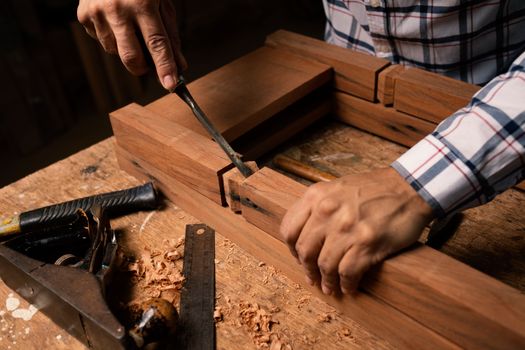
Chisels are essential for any woodworker, especially when it comes to joinery. They allow for the precise removal of wood, which is crucial in creating clean, tight joints.
- Pros: Versatile; can be used for various types of joints; available in different sizes.
- Cons: Requires honing and maintenance; can be tricky for beginners to master.
For joinery, a set of bevel-edge chisels is recommended. Brands like Lie-Nielsen and WoodRiver offer excellent options that retain sharpness and have comfortable handles.
2. Hand Saw
A good hand saw is vital for making clean cuts in wood, especially for joinery techniques such as dovetails and tenons. Look for a saw that feels comfortable in your hands and suits your cutting style.
- Pros: Provides more control than power saws; can make intricate cuts; quieter than electric alternatives.
- Cons: Requires practice to achieve precision; can tire your hands over extended use.
The Veritas Dovetail Saw is a favorite among woodworkers for its fine kerf and comfortable grip, making it ideal for joinery tasks.
3. Marking Gauge
Precision is key in joinery, and a marking gauge helps you mark lines accurately to guide your cuts. This tool ensures that your joints fit together perfectly.
- Pros: Allows for precise measurements; easy to use; can be adjusted for different thicknesses.
- Cons: Requires a steady hand for the best results; can be less effective on uneven surfaces.
The Incra Marking Gauge is highly recommended for its accuracy and durability, featuring a fine adjustment mechanism for precise measurement.
4. Mortise Chisel
When creating mortise and tenon joints, a mortise chisel is indispensable. It has a thicker blade than standard chisels, allowing for the removal of larger amounts of wood.
- Pros: Strong and durable; designed specifically for mortise work; provides clean cuts.
- Cons: Heavier than regular chisels; can be more expensive.
The Narex Mortise Chisel offers great value and performance, making it a popular choice for both professionals and hobbyists.
5. Japanese Pull Saw
Japanese pull saws are known for their thin blades and efficient cutting. They are perfect for fine joinery work, allowing for precise cuts without excessive material waste.
- Pros: Cuts on the pull stroke, providing more control; creates finer cuts; less effort compared to Western saws.
- Cons: May require a different technique if you're used to Western saws; can be more delicate.
The Shark Pull Saw is an excellent choice for joinery, offering a perfect balance of flexibility and strength.
Conclusion
In summary, having the right tools for hand-cutting joinery techniques is essential for achieving impressive woodworking results. From chisels to saws, each tool plays a significant role in ensuring precision and quality in your projects. If you're looking for detailed plans to guide your woodworking journey, consider exploring Ted Woodworking. They offer a vast array of resources that can enhance your skills and inspire your next project.
FAQ
What is the best type of chisel for joinery?
A set of bevel-edge chisels is generally recommended for joinery as they can handle various joint types and sizes.
Why are Japanese saws preferred for joinery?
Japanese saws cut on the pull stroke, which allows for greater control and produces finer cuts with less effort.
What is the importance of a marking gauge in woodworking?
A marking gauge is crucial for ensuring accurate measurements and guiding cuts, which is essential for tight-fitting joints.
📚 Related Articles
🔨 Want 16,000+ Woodworking Plans?
Get instant access to step-by-step plans with blueprints and cut lists.
Get Instant Access →