Introduction to Router Bits for Joinery
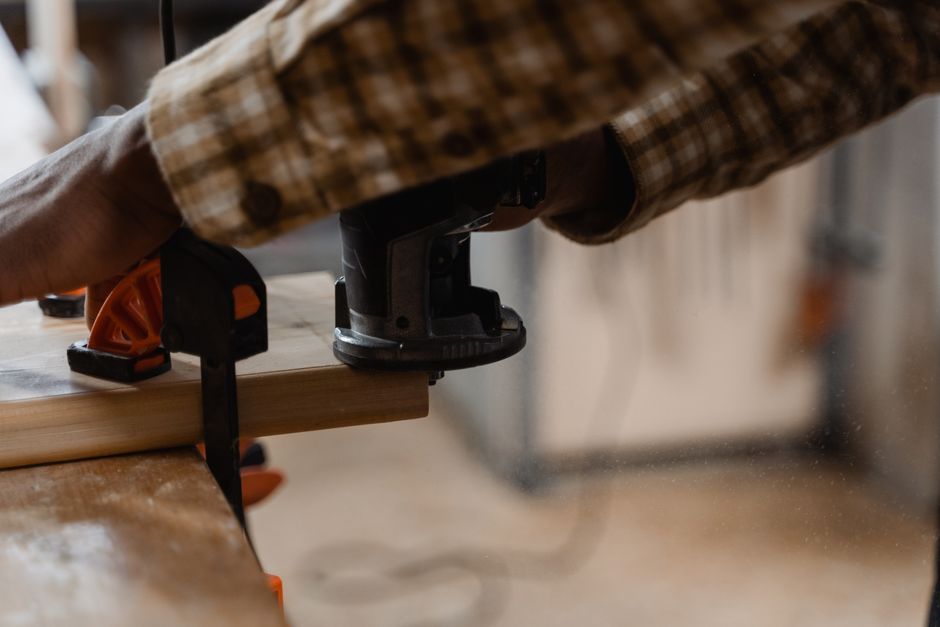
Router bits are essential tools for any woodworker, especially when it comes to joinery applications. The right router bit can make the difference between a strong, precise joint and a sloppy fit. In this article, we will explore the best router bits for various joinery techniques, their advantages and disadvantages, and how to choose the right one for your projects.
Types of Router Bits for Joinery
When it comes to joinery, different types of router bits serve different purposes. Here are some of the most common types of router bits used in joinery applications:
- Straight Router Bits
- Rabbet Router Bits
- Edge Beading Router Bits
- Dovetail Router Bits
- Mortising Router Bits
- Fluted Router Bits
Straight Router Bits
Straight router bits are versatile tools that can be used for cutting grooves, dados, and mortises. They come in various diameters and lengths.
- Pros: Highly versatile, easy to use, and available in various sizes.
- Cons: Can cause tear-out if not used correctly, especially in softer woods.
Rabbet Router Bits
Rabbet bits are specifically designed for cutting rabbet joints, which are commonly used in cabinetmaking and furniture construction.
- Pros: Creates clean, precise rabbet joints; available in different sizes for various applications.
- Cons: Limited use outside of rabbet joints.
Edge Beading Router Bits
These bits create decorative edges on joinery projects, adding visual appeal to furniture and cabinetry.
- Pros: Enhances the appearance of projects; available in a variety of profiles.
- Cons: More for aesthetics than structural integrity.
Dovetail Router Bits
Dovetail joints are known for their strength and aesthetic appeal, making dovetail router bits a must-have for fine woodworking.
- Pros: Creates strong, interlocking joints; available in various angles and sizes.
- Cons: Requires precise setup and can be challenging for beginners.
Mortising Router Bits
Mortising bits are designed to cut square holes in wood, allowing for strong joints such as mortise and tenon.
- Pros: Excellent for creating strong joints; can be used for various applications.
- Cons: Requires a router with a plunge feature for best results.
Fluted Router Bits
Fluted bits are used to create decorative flutes and grooves in furniture pieces, adding elegance to your work.
- Pros: Great for adding decorative elements to projects.
- Cons: Limited use in structural joinery.
Choosing the Right Router Bit
When selecting the right router bit for your joinery applications, consider the following factors:
- Project Type: Identify the type of joint you will be creating.
- Material: Consider the hardness of the wood you are working with; some bits perform better on harder woods.
- Router Compatibility: Ensure that the bit is compatible with your router model.
- Bit Quality: Invest in high-quality bits from reputable brands to ensure durability and performance.
Recommended Brands and Products
Here are some recommended router bits that excel in joinery applications:
1. Freud Router Bits
Freud is known for producing high-quality router bits. Their Freud 99-036 1/4-Inch Dovetail Bit is great for creating precise dovetail joints.
- Pros: Long-lasting, sharp, and produces clean cuts.
- Cons: Higher price point compared to generic options.
2. Bosch Router Bits
Bosch offers a wide range of router bits, including the Bosch 85696 1/2-Inch Dovetail Bit, which is excellent for creating strong joints.
- Pros: Reliable performance, durable construction.
- Cons: Some users report that they may require sharpening sooner than expected.
3. Amana Tool Router Bits
Amana Tool is a favorite among professionals. Their Amana 45405 1/4-Inch Straight Bit is perfect for creating grooves and dados.
- Pros: Excellent quality, durable, and produces clean cuts.
- Cons: Can be pricier than standard bits.
Where to Find Woodworking Plans
If you're looking for comprehensive plans to guide your joinery projects, consider visiting Ted Woodworking. They offer a vast collection of woodworking plans that cater to all skill levels, making it easy for you to find the right project to apply your joinery skills.
Conclusion
Choosing the right router bits for joinery applications is crucial for achieving strong, precise joints. By understanding the different types of bits available and considering the specific needs of your projects, you can select the best tools for your woodworking endeavors. Whether you are a beginner or an experienced woodworker, investing in quality router bits will enhance your craftsmanship and the overall quality of your work.
FAQ
- What is the best router bit for beginner woodworkers? For beginners, straight router bits are a great choice due to their versatility and ease of use.
- Can I use a router bit for multiple types of joinery? Yes, some router bits, like straight bits, can be used for various joinery techniques.
- How do I maintain my router bits? Keep your router bits clean and sharp; use a bit cleaner and store them in a protective case to prevent damage.
📚 Related Articles
🔨 Want 16,000+ Woodworking Plans?
Get instant access to step-by-step plans with blueprints and cut lists.
Get Instant Access →