Introduction
When embarking on the journey of woodworking, the multitude of skills and techniques can be overwhelming. Among these, joinery techniques stand out as foundational elements that can significantly influence the quality and durability of your projects. But should you prioritize learning joinery techniques before delving into other woodworking skills? In this article, we will explore the importance of joinery, its impact on your projects, and how it relates to the overall woodworking skill set.
The Role of Joinery in Woodworking
Joinery refers to the methods used to connect two or more pieces of wood together. This aspect of woodworking is crucial because it not only affects the structural integrity of the furniture but also enhances its aesthetic appeal. A well-executed joint can elevate a simple piece to a work of art, whereas poor joinery can compromise even the most beautiful design.
Types of Joinery Techniques
Understanding various joinery techniques is essential for any aspiring woodworker. Here are some common types:
- Butt Joint: The simplest form where two pieces of wood meet at their ends.
- Mortise and Tenon: A classic technique that provides strength and stability.
- Dovetail Joint: Known for its aesthetic appeal, often used in drawer construction.
- Lap Joint: Overlapping pieces of wood create a strong connection.
- Box Joint: Similar to dovetails but simpler, often used in box construction.
Why Prioritize Joinery?
Learning joinery techniques before tackling other woodworking skills can be immensely beneficial for several reasons:
1. Foundation for Complex Projects
Joinery serves as the cornerstone of more intricate woodworking skills. Mastering these techniques allows you to tackle advanced projects with confidence. For instance, understanding how to create a strong mortise and tenon joint will pave the way for building complex furniture like tables and cabinets.
2. Precision and Accuracy
Joinery requires a high degree of precision. Learning these techniques first helps you develop skills in measuring, cutting, and assembly that are critical in all woodworking disciplines. Accurate joinery leads to better-fitting pieces, which ultimately results in a professional-grade finish.
3. Enhancing Aesthetic Appeal
The visual impact of furniture is often determined by the quality of the joinery. Well-crafted joints can serve as design features in their own right. By focusing on joinery, you can learn to make these joints aesthetically pleasing, enhancing the overall look of your projects.
4. Structural Integrity
Understanding the different types of joints and their strengths is crucial for the longevity of your furniture. Strong joints ensure that your pieces can withstand daily use, making joinery a priority for any serious woodworker.
Integration with Other Woodworking Skills
While joinery is essential, it does not exist in a vacuum. It integrates seamlessly with other woodworking skills:
- Shaping and Sizing: Knowing how to shape and size your pieces is critical before you join them. Accurate joinery depends on properly sized components.
- Finishing Techniques: The finish of your project can highlight or hide the quality of your joinery. Learning finishing techniques in conjunction with joinery will prepare you for a professional look.
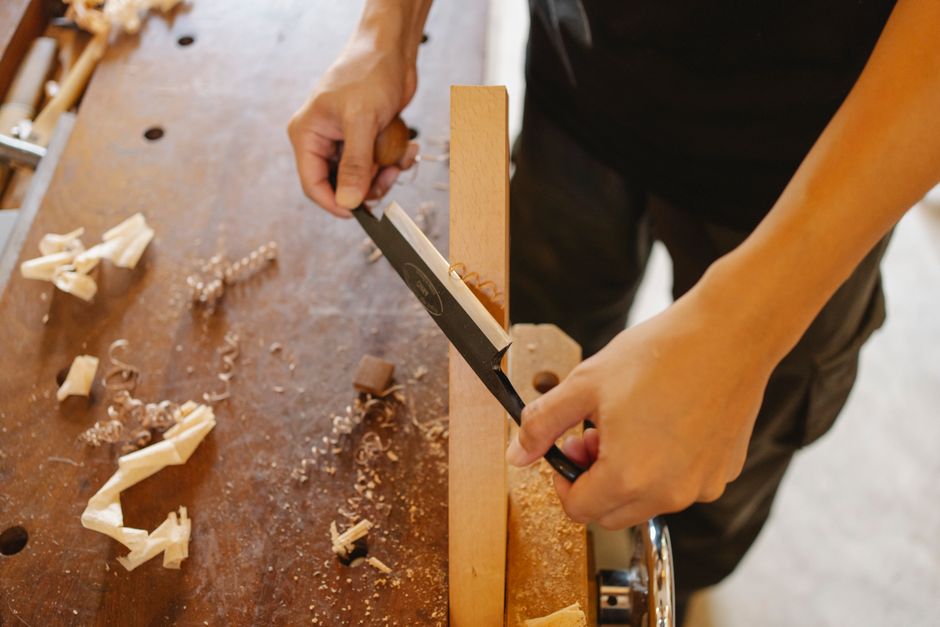
- Tool Mastery: Many joinery techniques require specific tools. Understanding how to use these tools effectively will enhance your joinery skills.
Resources for Learning Joinery
As you embark on your journey to master joinery techniques, consider using resources like Ted Woodworking. This platform offers a wealth of plans and instructional materials that can help you understand and practice various joinery methods. With over 16,000 woodworking plans, you'll find detailed tutorials that cater to both beginners and advanced woodworkers, ensuring you develop your skills effectively.
Conclusion
In summary, while there are many skills involved in woodworking, prioritizing joinery techniques can set a solid foundation for your woodworking journey. Mastering these techniques will not only improve the structural integrity of your projects but also enhance their visual appeal. As you develop your skills in joinery, you'll find that they integrate well with other woodworking disciplines, leading you to create professional-quality furniture.
FAQ
1. Can I learn joinery techniques without prior woodworking experience?
Yes, you can start learning joinery techniques even if you're a beginner. Many resources are designed to guide you step by step.
2. How long does it take to master joinery techniques?
The time it takes to master joinery techniques varies based on practice and dedication. With consistent effort, you can see significant improvement within months.
3. Are there specific tools I need to learn joinery?
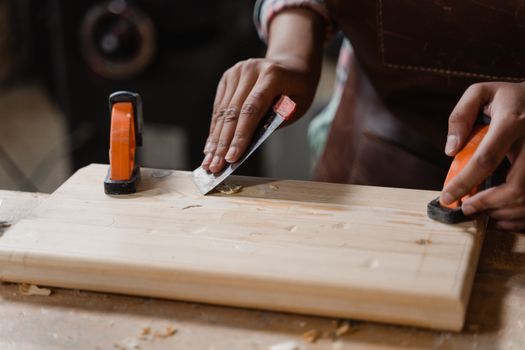
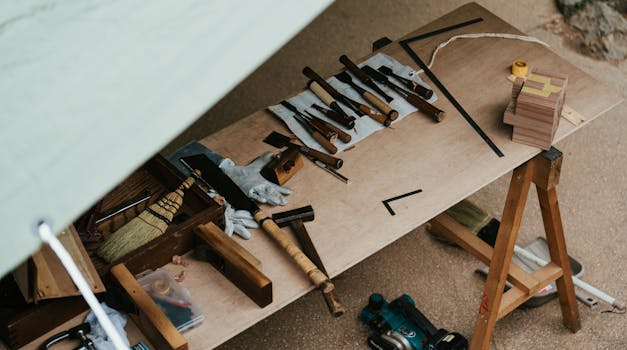
Yes, certain tools like chisels, saws, and clamps are essential for practicing joinery techniques. Familiarizing yourself with these tools is crucial for success.
📚 Related Articles
🔨 Want 16,000+ Woodworking Plans?
Get instant access to step-by-step plans with blueprints and cut lists.
Get Instant Access →