Introduction
In the world of woodworking, the joinery techniques you choose can significantly impact the overall strength, appearance, and longevity of your furniture. While traditional joints like dovetails and mortise-and-tenon are celebrated for their structural integrity, they can also leave visible seams that detract from a seamless aesthetic. In this article, we will explore advanced wood joinery techniques that allow for joint-free designs, ensuring your projects not only stand the test of time but also exhibit a flawlessly professional finish.
The Importance of Precision in Wood Joinery
Creating joint-free designs requires exceptional precision and attention to detail. When wood pieces fit together perfectly without visible joints, the result is a clean and modern look. However, achieving this level of craftsmanship demands a deep understanding of both the materials and the techniques involved.
Essential Tools for Precision Joinery
Before diving into specific techniques, it's crucial to have the right tools on hand. Here are some essentials for achieving precision in joinery:
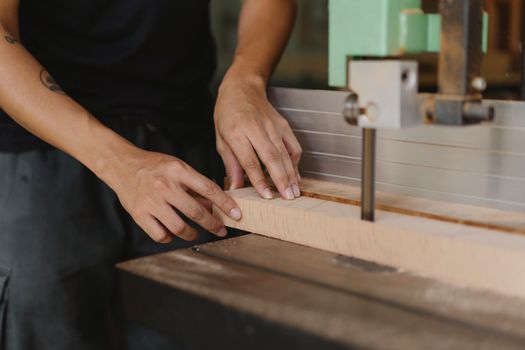
- Table Saw: A reliable table saw is vital for making accurate cuts, which is foundational to joint-free designs.
- Router: A router can help create interlocking joints and decorative edges without visible seams.
- Doweling Jigs: These ensure precise alignment when using dowels for hidden joinery.
- Clamps: Good clamping techniques are essential for holding pieces together during glue-up.
- Measuring Tools: Accurate measuring tools like calipers and tape measures are crucial for precision.
Advanced Joinery Techniques for Seamless Designs
Now that we have the tools, let’s explore some advanced joinery techniques that can help you create joint-free furniture.
1. Blind Dovetail Joints
Blind dovetail joints are a perfect choice for creating a seamless look in drawers and carcasses. Unlike traditional dovetails, which are visible from the outside, blind dovetails are crafted so that the joint is concealed. This technique requires precise cuts and careful measurements but results in a strong, aesthetically pleasing joint.
2. Mortise and Tenon Joints with Hidden Features
While mortise and tenon joints are commonly used, you can create a joint-free appearance by hiding the tenon completely. By routing a shallow groove into the adjoining piece, you can insert the tenon without it being visible. This method retains the strength of the joint while enhancing the overall look of the piece.
3. Pocket Hole Joinery
Pocket hole joinery is another effective method for achieving a clean finish. By drilling angled holes into one piece and securing it to another, you can create strong joints that are hidden from view. This technique is particularly useful for furniture frames and hidden assemblies.
4. Biscuit Joints
Biscuit joints utilize small, oval-shaped pieces of wood (biscuits) to align two pieces together. While they can be slightly visible, using biscuits can help align edges perfectly, and if you choose a biscuit that is the same color as your wood, it can blend seamlessly. Biscuit joinery is great for tabletops and cabinetry where precision is key.
5. Domino Joinery
Similar to biscuit joinery, domino joinery uses elongated, rectangular floating tenons that provide a very strong joint. The Festool Domino Joiner allows for precise placement of these tenons, making it easier to create a clean, joint-free appearance in your projects. This method is excellent for frames and panels.
6. Hidden Dowels
By using dowels strategically, you can create strong joints that are virtually invisible. This technique involves drilling holes into both pieces at specific angles and inserting dowels that are then glued in place. This method requires accurate placement to ensure the pieces align perfectly, but the result is a smooth, seamless surface.
Finishing Touches for a Professional Look
Once your joinery is complete, the finishing process is essential for achieving that professional touch. Here are some tips for finishing your joint-free designs:
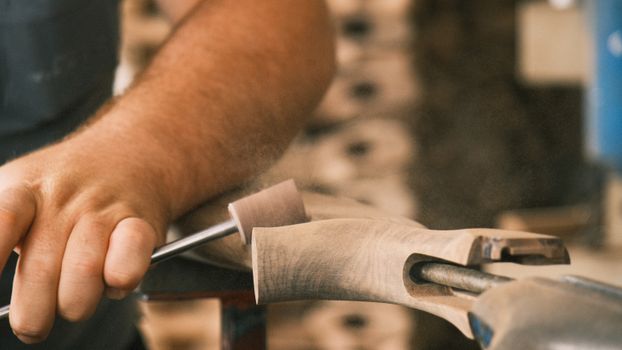
- Sanding: Sand all surfaces thoroughly to ensure a smooth finish. Start with a coarser grit to shape and progress to finer grits for a polished look.
- Staining and Sealing: Choose a stain that enhances the natural beauty of the wood while complementing the design. A good sealant will protect your furniture and enhance its durability.
- Final Assembly: During the final assembly, double-check all joints and ensure everything is aligned before securing with glue or fasteners.
- Inspection: After finishing, inspect your work in different lighting to catch any imperfections or areas needing touch-ups.
Resources for Further Learning
If you are looking for more detailed plans and resources for woodworking projects, consider exploring Ted Woodworking. This resource offers an extensive collection of woodworking plans that can guide you through various joinery techniques, including those for creating joint-free designs.
Conclusion
Creating joint-free designs in woodworking requires skill, precision, and the right techniques. By mastering advanced joinery methods such as blind dovetails, hidden mortise and tenons, and pocket holes, you can elevate your furniture projects to a professional level. With the right tools and a commitment to craftsmanship, you can achieve a seamless, stunning finish that showcases your woodworking talents.
FAQ
1. What is the best technique for achieving a joint-free look in furniture?
The best technique often depends on the specific project, but methods like blind dovetail joints and hidden dowels are popular for creating seamless designs.
2. Can I use these techniques for beginners?
While some techniques require advanced skills, many can be adapted for beginners with patience and practice. Start with simpler methods before advancing to more complex joinery.
3. How do I choose the right wood for joint-free designs?
Choosing high-quality hardwood is ideal for joint-free designs, as it offers better stability and durability. Consider the project’s intended use and aesthetic when selecting wood.
📚 Related Articles
🔨 Want 16,000+ Woodworking Plans?
Get instant access to step-by-step plans with blueprints and cut lists.
Get Instant Access →