Why Joinery Skills are Essential for Aspiring Woodworkers
\nJoinery is the backbone of woodworking, encompassing the techniques that connect wood pieces together to create sturdy and aesthetically pleasing furniture. For aspiring woodworkers, mastering joinery skills is not just an option; it is an essential step toward achieving professional results. In this article, we will explore the significance of joinery skills, advanced techniques to elevate your woodworking projects, and how precision can lead to a flawless finish.
\n\nThe Foundation of Woodworking
\nJoinery serves as the fundamental building block of all woodworking projects. Whether you are crafting a simple bookshelf or an intricate dining table, the way you join the pieces of wood determines the strength and durability of the final product. Here are a few reasons why mastering joinery is crucial:
\n- \n
- Structural Integrity: Proper joinery ensures that your furniture will withstand the test of time. Joints like mortise and tenon, dovetails, and biscuits provide strength and stability. \n
- Aesthetic Appeal: The type of joinery you choose can enhance the beauty of your piece. Clean, well-executed joints can elevate a project from ordinary to extraordinary. \n
- Professionalism: Mastering joinery techniques reflects a level of professionalism that separates hobbyists from skilled woodworkers. It shows a commitment to quality craftsmanship. \n
Advanced Joinery Techniques
\nAs you become more comfortable with basic joinery, it’s time to delve into advanced techniques that can further refine your skills and enhance your projects. Here are some methods worth mastering:
\n- \n
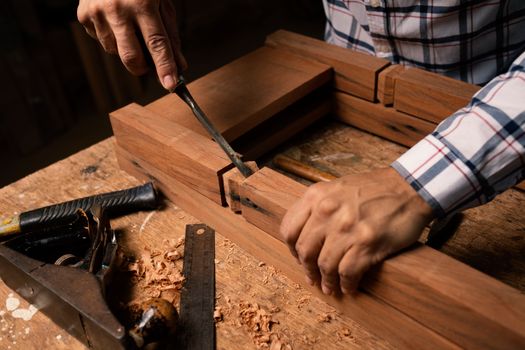
- Mortise and Tenon Joints: This classic joinery method involves creating a rectangular hole (mortise) in one piece of wood and a corresponding projection (tenon) on another. It is widely regarded for its strength and durability, making it ideal for frames and tabletops. \n
- Dovetail Joints: Recognized for their interlocking shape, dovetail joints provide exceptional strength, especially in drawer construction. The aesthetic appeal of dovetails adds a decorative touch, making them ideal for visible joints. \n
- Box Joints: Similar to dovetails, box joints are simpler to execute and offer a robust connection, making them suitable for boxes and drawers. They are characterized by their straight, finger-like projections. \n
- Biscuit Joints: Utilizing a biscuit joiner, this method involves inserting a small, oval-shaped piece of wood (the biscuit) into corresponding slots in two pieces of wood. This technique allows for quick assembly and excellent alignment. \n
The Importance of Precision
\nIn woodworking, precision is key. Effective joinery requires accurate measurements and cuts to ensure that the pieces fit together seamlessly. Here are some tips for achieving precision in your joinery:
\n- \n
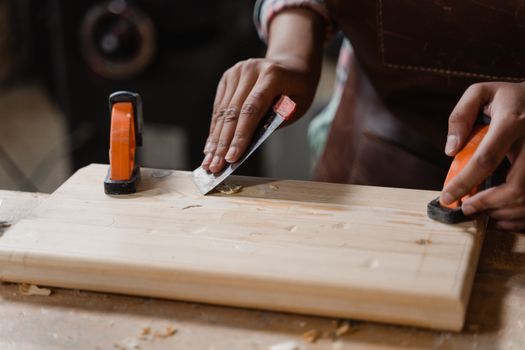
- Use Quality Tools: Invest in high-quality tools such as chisels, saws, and measuring devices. Precision tools will yield better results and make your joinery work easier. \n
- Measure Twice, Cut Once: This adage holds true in woodworking. Taking the time to double-check your measurements can save you from costly mistakes. \n
- Practice Makes Perfect: Like any skill, joinery techniques require practice. Set aside time to refine your skills by creating sample joints before working on your final project. \n
Achieving a Professional Finish
\nBeyond just the joinery itself, achieving a professional finish is a critical aspect of woodworking. Here are some techniques to ensure your final piece looks polished:
\n- \n
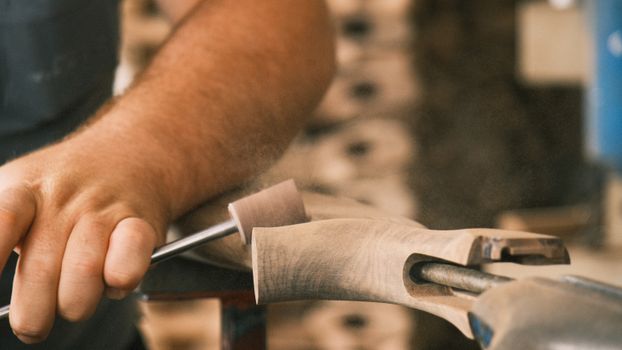
- Sand Properly: Sanding is essential for removing rough edges and preparing surfaces for finishing. Start with a coarser grit and gradually move to a finer grit for a smooth surface. \n
- Choose the Right Finish: The finish you select can dramatically change the appearance of your piece. Whether you opt for oil, lacquer, or polyurethane, ensure it complements your wood choice and enhances the natural beauty. \n
- Pay Attention to Detail: The little things matter. Fill any gaps in your joints, ensure edges are flush, and consider adding decorative elements like inlays or hardware to elevate your work. \n
For those looking to expand their skills and find inspiration, resources like Ted Woodworking offer an extensive collection of plans and projects that can help you practice and master joinery techniques.
\n\nConclusion
\nIn conclusion, joinery skills are indispensable for aspiring woodworkers aiming to create high-quality furniture. Mastering advanced techniques, focusing on precision, and achieving a professional finish will not only elevate your work but also enhance your overall woodworking experience. Remember, every great piece of furniture starts with strong joinery!
\n\nFAQs
\n- \n
- What is the easiest joinery technique for beginners? The butt joint is often considered the easiest technique for beginners, although it may not be the strongest. It is a good starting point before moving on to more complex methods. \n
- How can I improve my joinery skills? Practice regularly, study different techniques, and consider taking workshops or classes to learn from experienced woodworkers. \n
- Are there any specific tools I should invest in for joinery? Essential tools include a quality chisel set, a miter saw, a table saw, and a biscuit joiner. Each tool will aid in executing precise and strong joints. \n
📚 Related Articles
🔨 Want 16,000+ Woodworking Plans?
Get instant access to step-by-step plans with blueprints and cut lists.
Get Instant Access →