Introduction
Joinery is at the heart of any woodworking project, serving as the foundation for strength and durability in furniture making. As you progress in your woodworking journey, understanding when to employ reinforcing techniques can elevate your projects from good to exceptional. In this article, we will explore various reinforcing techniques in joinery, the tools needed, and how they contribute to the overall integrity of your work.
Understanding Joinery Basics
Before diving into reinforcing techniques, let's quickly review some common joinery methods:
- Butt Joints: The simplest form of joinery, where two pieces meet at their ends.
- Dado Joints: A groove cut into one piece of wood to accommodate another piece.
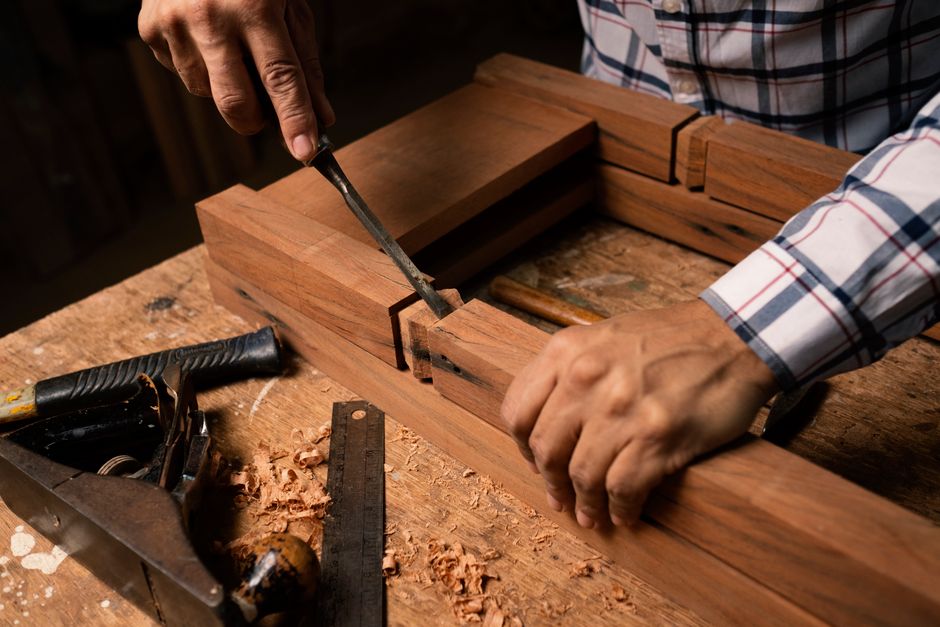
- Mortise and Tenon: A traditional joint that offers superior strength.
- Lap Joints: Overlapping pieces that provide a large surface area for glue.
When to Use Reinforcing Techniques
While each joinery method has its merits, they can often benefit from additional reinforcing techniques to enhance their strength and longevity. Here are some scenarios when reinforcing is essential:
1. High-Stress Areas
In furniture that will bear a lot of weight or stress—like tables or chairs—reinforcing your joints is crucial. For example, a table leg joint can be reinforced with a dowel or metal bracket to ensure it can withstand heavy loads.
2. Long-Term Durability
Using reinforcing techniques helps prolong the life of your furniture. If you’re building heirloom-quality pieces, consider adding corner braces or splines to your joints. These techniques help resist wear and tear over time.
3. Aesthetic Considerations
Sometimes, reinforcing can also serve an aesthetic purpose. For example, decorative keys in a mortise and tenon joint not only add strength but also visual interest. Consider the visual style of your project when deciding on reinforcements.
4. Material Type
Different woods have varying strengths and properties. Softwoods may require more reinforcement than hardwoods. Always assess your material before deciding on the type of joinery and reinforcing technique to use.
Recommended Reinforcing Tools
To effectively implement reinforcing techniques in your joinery, having the right tools is essential. Below are some must-have tools, along with their pros and cons.
1. Doweling Jigs
Doweling jigs are invaluable for creating strong, precise dowel joints.
- Pros:
- Easy to use and adjust for different sizes.
- Creates strong, hidden joints.
- Cons:
- Can be expensive for high-quality models.
- Requires precise measurements for best results.
Consider the Kreg Doweling Jigs for a user-friendly option that offers great accuracy.
2. Pocket Hole Jigs
Pocket hole joinery is a popular method for reinforcing joints, especially in cabinetry.
- Pros:
- Quick and easy to set up.
- Creates strong joints that are often hidden from view.
- Cons:
- Not suitable for all types of joints or aesthetics.
- Requires specific screws, which may limit flexibility.
The Kreg Pocket Hole Jig is a top-rated tool for its reliability and ease of use.
3. Corner Braces
Corner braces are metal brackets that reinforce joints at a right angle.
- Pros:
- Highly effective at preventing racking.
- Easy to install and unobtrusive.
- Cons:
- May not fit with all design aesthetics.
- Can rust if not properly coated.
Look for Simpson Strong-Tie Corner Braces for a sturdy and reliable option.
4. Wood Glue
High-quality wood glue is essential for all joinery, but certain projects may benefit from additional adhesive reinforcement.
- Pros:
- Creates a strong bond between pieces.
- Easy to apply and clean up.
- Cons:
- Requires clamping time for best results.
- Not suitable for outdoor projects unless specifically designed for it.
Consider using Titebond III Wood Glue for its waterproof properties, making it great for both indoor and outdoor projects.
Conclusion
Understanding when and how to use reinforcing techniques in your joinery can significantly impact the quality and longevity of your furniture projects. With the right tools and techniques, you can create furniture that not only serves its purpose but also stands the test of time. For those looking for comprehensive plans and projects, check out Ted Woodworking, which offers a wealth of resources to help enhance your woodworking skills.
FAQ
1. What is the best type of joint for heavy furniture?
The mortise and tenon joint is often considered the strongest type for heavy furniture, especially when reinforced with dowels or corner braces.
2. How do I know if I need to reinforce a joint?
Evaluate the purpose of the furniture, the types of materials used, and the anticipated stress on the joint. If in doubt, it's better to reinforce.
3. Are reinforcing techniques always necessary?
Not always, but in high-stress areas or when using weaker materials, reinforcing techniques can greatly enhance the strength and durability of your joints.
📚 Related Articles
🔨 Want 16,000+ Woodworking Plans?
Get instant access to step-by-step plans with blueprints and cut lists.
Get Instant Access →