Introduction
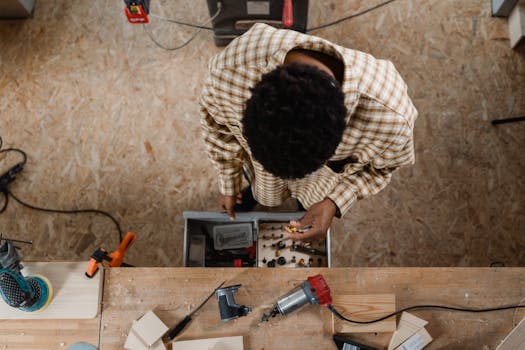
Setting up a woodworking shop can be a rewarding experience, especially when you customize it for specific projects. By tailoring your workspace, you can improve efficiency and make the process more enjoyable. This guide will walk you through the steps to customize your woodworking shop, focusing on simplicity and basic tools.
Assess Your Space
Before you dive into customization, take a moment to assess your available space. Consider the following factors:
- Size: Determine the square footage of your shop.
- Layout: Identify the best layout for your tools and materials.
- Lighting: Make sure your shop is well-lit for safety and precision.
Define Your Projects
Next, think about the types of projects you want to tackle. This will help you figure out what tools and materials you need. Ask yourself:
- Are you building furniture, cabinetry, or smaller crafts?
- What kind of wood will you be using?
- Do you need specialized tools for certain projects?
Essential Tools for Your Shop
While every shop will have different needs, there are a few essential tools that can help with a variety of projects:
- Table Saw: Great for making straight cuts and ripping lumber.
- Router: Useful for decorative edges and joinery.
- Drill Press: Ideal for precise drilling and boring holes.
- Hand Tools: Saws, chisels, and planes can be used for detailed work.
- Clamps: Essential for holding pieces together while the glue dries.
Organizing Your Workspace
Once you have your tools, it’s time to organize your workspace. Here are some tips for an efficient setup:
- Workbench: Invest in a sturdy workbench that fits your space and projects.
- Tool Storage: Use pegboards, cabinets, or rolling carts to keep your tools within reach.
- Material Storage: Designate a space for lumber and supplies to avoid clutter.
- Mobile Setup: Consider mobile tool stands if you work on various projects.
Customizing for Specific Projects
Once your shop is organized, you can start customizing for specific projects. Here’s how:
Project Planning
Before starting a project, plan out the steps involved. Use a resource like Ted Woodworking to find plans and gather ideas. Create a checklist of materials and tools needed for each project.
Designating Zones
Create specific zones in your shop for different tasks:
- Cutting Zone: Keep your table saw and miter saw in this area.
- Assembly Zone: Have a clear space for assembling your projects.
- Finishing Zone: Designate an area for sanding, staining, and finishing.
Adjusting Tool Setup
Depending on the project, you may need to adjust the setup of your tools. For example, if you are working on cabinetry, you might want to set up your table saw for crosscuts and have your router ready for edge work.
Staying Flexible
One of the best aspects of a woodworking shop is its flexibility. As you grow and tackle more complex projects, don’t hesitate to rearrange or upgrade your setup. Here are a few ideas for staying flexible:
- Modular Systems: Use modular tool storage solutions that can be reconfigured.
- Mobile Tools: Invest in mobile tools that can be moved as needed.
- Regular Maintenance: Keep tools organized and maintained to ensure optimal performance.
Conclusion
Customizing your woodworking shop for specific projects can greatly enhance your woodworking experience. By assessing your space, defining your projects, organizing your workspace, and staying flexible, you can create an efficient environment tailored to your needs. Remember to use resources like Ted Woodworking to find plans and inspiration for your next woodworking endeavor!
FAQ
1. What are the most essential tools for a beginner woodworker?
For beginners, essential tools include a table saw, drill, hand saw, clamps, and a workbench. These tools can help tackle a variety of projects.
2. How can I improve lighting in my woodworking shop?
Improving lighting can be done by adding bright LED fixtures and task lighting over work areas to ensure you can see your work clearly.
3. Is it necessary to have a dedicated woodworking shop?
While a dedicated shop is beneficial, you can also work in a garage or a corner of a room, as long as you have enough space and organization for your tools and materials.
📚 Related Articles
🔨 Want 16,000+ Woodworking Plans?
Get instant access to step-by-step plans with blueprints and cut lists.
Get Instant Access →