Introduction
Creating a woodworking environment that is both comfortable and inspiring can significantly enhance your productivity and creativity. However, many woodworkers overlook key elements in their shop setup, leading to frustrations and decreased motivation. In this article, we will explore common mistakes to avoid, along with troubleshooting tips and fixes, to help you create the ideal woodworking haven.
1. Choosing the Wrong Location
The location of your woodworking shop is crucial. A poorly chosen spot can lead to distractions, lack of natural light, and limited ventilation.
- Common Mistake: Setting up shop in a basement or garage without considering light and ventilation.
- Troubleshooting: If you find your workspace dark and stuffy, consider adding windows or improving lighting with LED fixtures. Use exhaust fans or air purifiers to enhance air quality.
- Fix: If possible, relocate to a space with natural light and good airflow, such as a dedicated shed or a room with windows.
2. Ignoring Ergonomics
Woodworking can be physically demanding, and neglecting ergonomic principles can lead to discomfort and injuries.
- Common Mistake: Working at improper heights or using tools that strain your body.
- Troubleshooting: If you experience fatigue or discomfort, reassess your workstation. Are your tables and benches at the right height? Do you have sufficient support for your back?
- Fix: Invest in adjustable workbenches and chairs. Use anti-fatigue mats for standing tasks to reduce strain on your feet and legs.
3. Overlooking Organization
A disorganized workshop can lead to wasted time and increased frustration. Keeping your workspace tidy is essential for efficiency.
- Common Mistake: Tools and materials scattered around, making it hard to find what you need.
- Troubleshooting: If you find yourself wasting time searching for tools, it's time to rethink your storage solutions.
- Fix: Use pegboards, shelving, and toolboxes to organize your tools and materials. Label everything to make it easier to find and return items.
4. Skimping on Lighting
Good lighting is essential for detailed woodworking tasks. Poor lighting can lead to mistakes and accidents.
- Common Mistake: Relying solely on overhead lighting without additional task lighting.
- Troubleshooting: If you notice shadows or have difficulty seeing your work, consider adding more light sources.
- Fix: Invest in adjustable task lights and position them directly over your work areas. Consider LED bulbs for brightness and energy efficiency.
5. Neglecting Safety Measures
Safety should always be a priority in any woodworking environment. Neglecting safety measures can lead to accidents and injuries.
- Common Mistake: Not using personal protective equipment (PPE) or having inadequate safety measures in place.
- Troubleshooting: If you often find yourself in risky situations, evaluate your safety practices.
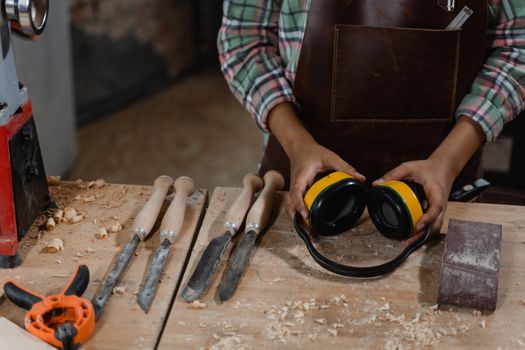
- Fix: Always wear safety glasses, ear protection, and dust masks when necessary. Ensure that all safety features on your machines are functioning and consider having a first-aid kit readily available.
6. Underestimating Storage Needs
As you accumulate tools and materials, the need for adequate storage becomes increasingly important.
- Common Mistake: Not planning for future growth in your tool collection.
- Troubleshooting: If you find your tools piled up or crammed into small spaces, it may be time to rethink your storage.
- Fix: Design your storage solutions with expansion in mind. Consider modular shelving units or cabinets that can be easily adjusted as your needs change.
7. Disregarding Inspiration Sources
Your woodworking shop should be a place that inspires creativity. Failing to personalize your space can diminish motivation.
- Common Mistake: Keeping the shop bare and uninspiring.
- Troubleshooting: If you find it difficult to stay motivated, assess the atmosphere of your workspace.
- Fix: Add personal touches such as artwork, inspirational quotes, or photos of completed projects. Create a vision board to keep your goals and inspirations in sight.
8. Utilizing Planning Resources
Having the right plans and designs can help streamline the setup of your woodworking environment. Resources like Ted Woodworking offer a vast array of plans that can guide you in creating functional and beautiful projects.
- Common Mistake: Attempting to design everything from scratch without utilizing existing resources.
- Troubleshooting: If you’re unsure about your design choices, it may hinder your project’s success.
- Fix: Explore woodworking plans available through Ted Woodworking for guidance and inspiration.
Conclusion
By avoiding these common mistakes and implementing the suggested fixes, you can create a woodworking environment that is not only comfortable but also inspiring. Remember, a well-thought-out shop setup can make all the difference in your woodworking journey.
FAQ
- What are the essential tools for a woodworking shop?
Essential tools include a table saw, miter saw, drill press, and hand tools such as chisels and planes. - How can I maintain a clean woodworking environment?
Regularly clean your workspace, use dust collection systems, and establish a routine for organizing tools and materials. - How important is ventilation in a woodworking shop?
Ventilation is crucial to ensure safety and comfort, helping to remove dust and fumes from the air.
📚 Related Articles
🔨 Want 16,000+ Woodworking Plans?
Get instant access to step-by-step plans with blueprints and cut lists.
Get Instant Access →