What Safety Equipment is Necessary for a Woodworking Shop?
Setting up a woodworking shop can be an exciting endeavor, but it’s crucial to prioritize safety. The risks involved in woodworking can be significant, from cuts and splinters to more severe injuries. In this article, we'll explore the necessary safety equipment for a woodworking shop, common mistakes to avoid, and troubleshooting tips to keep you and your workspace safe.
Essential Safety Equipment
To create a safe woodworking environment, certain pieces of equipment are indispensable. Here’s a list of the essential safety gear you should consider:
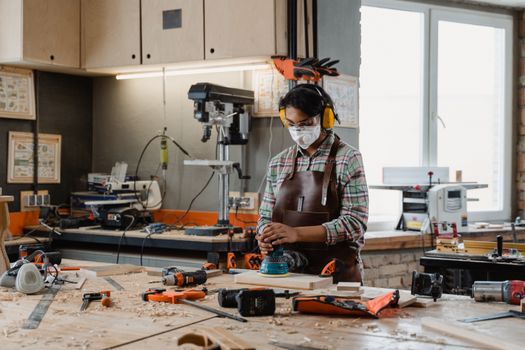
- Safety Glasses: Protect your eyes from flying debris and dust. Choose glasses that fit well and provide side protection.
- Dust Mask or Respirator: Wood dust can cause respiratory issues. A dust mask is suitable for light work, while a respirator is necessary for heavy dust exposure.
- Hearing Protection: Tools like table saws and routers can be loud. Use earmuffs or earplugs to protect your hearing.
- Cut-Resistant Gloves: While gloves can be dangerous around moving blades, cut-resistant gloves can be beneficial when handling sharp materials.
- Steel-Toed Boots: Protect your feet from heavy falling objects. Steel-toed boots are a worthwhile investment for any woodworking shop.
- First Aid Kit: Always keep a well-stocked first aid kit on hand for minor injuries. Familiarize yourself with its contents and how to use them.
- Emergency Stop Switch: Install emergency stop switches on machines to quickly shut down tools in case of an accident.
Common Mistakes to Avoid
Even with the right safety equipment, many woodworkers overlook critical safety practices. Here are some common mistakes and how to avoid them:
- Neglecting Personal Protective Equipment (PPE): It’s easy to skip wearing safety glasses or ear protection just for a quick cut. Always wear your PPE, regardless of the task’s perceived danger.
- Ignoring Tool Maintenance: Tools that are not properly maintained can malfunction and cause accidents. Regularly check your tools for sharpness, cleanliness, and proper function.
- Working in a Cluttered Space: A messy workspace can lead to accidents. Keep your shop organized and free of unnecessary materials that can become tripping hazards.
- Failing to Read Manuals: Each tool comes with a manual that includes safety guidelines. Always read and understand the manual before operating a new tool.
- Not Using Push Sticks or Push Blocks: When working with table saws or other cutting tools, always use push sticks or blocks to keep your hands safe and at a safe distance.
Troubleshooting Tips and Fixes
When accidents happen or you notice unsafe practices, it's essential to troubleshoot effectively. Here are some tips:
- Establish a Safety Protocol: Create a checklist that outlines the safety steps to take before using any equipment. Make it visible in your workspace.
- Conduct Regular Safety Audits: Regularly assess your shop’s safety measures. Identify any areas for improvement and make necessary adjustments.
- Educate Everyone in the Shop: If you share your workspace, ensure that everyone is aware of the safety equipment and protocols in place. Consider hosting safety workshops.
- Utilize Resources: For those looking to build their own furniture safely, resources like Ted Woodworking can provide plans that include safety considerations.
- Practice Emergency Drills: Familiarize yourself and others with emergency procedures. Know where first aid kits and emergency stops are located.
Conclusion
Your woodworking shop should be a place of creativity and safety. By investing in the right safety equipment, avoiding common mistakes, and troubleshooting effectively, you can significantly reduce the risk of injury. Always prioritize safety to ensure that your woodworking projects are enjoyable and productive.
FAQ
- What is the most important piece of safety equipment in a woodworking shop?
While all safety equipment is important, safety glasses are often seen as the most crucial for protecting your eyes from flying debris. - How often should I replace my PPE?
Inspect your PPE regularly and replace it as soon as it shows signs of wear or damage to ensure maximum protection. - Are there any woodworking safety courses available?
Yes, many organizations and community colleges offer woodworking safety courses that cover essential safety practices and equipment use.
📚 Related Articles
🔨 Want 16,000+ Woodworking Plans?
Get instant access to step-by-step plans with blueprints and cut lists.
Get Instant Access →