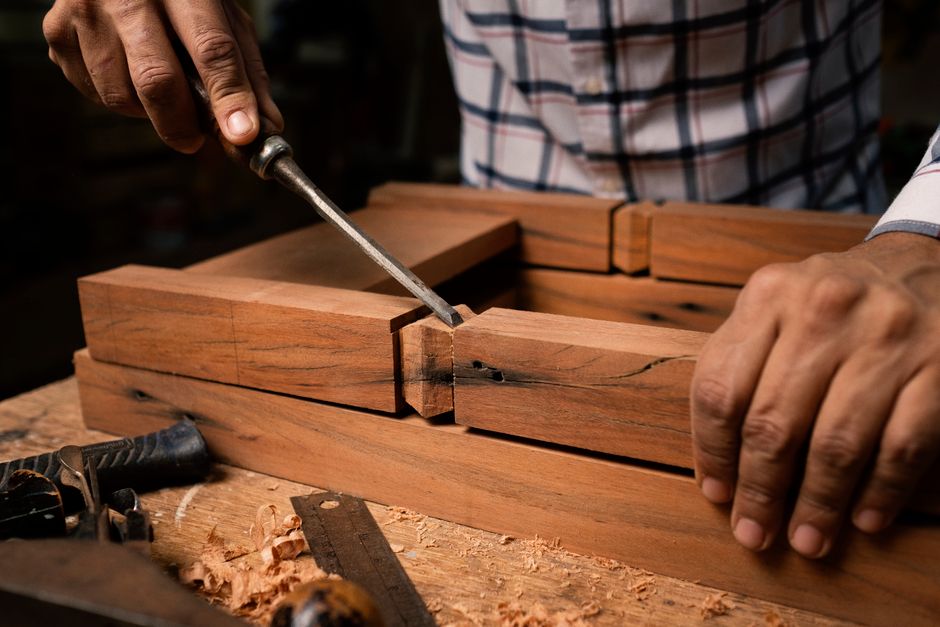
Why Hand Tools Still Matter in Modern Woodworking Shops
In the fast-paced world of modern woodworking, power tools often steal the spotlight. However, the humble hand tool remains an indispensable part of any well-rounded workshop. Embracing hand tools not only enhances your craftsmanship but also offers a deeper connection to the art of woodworking. In this article, we will discuss common mistakes to avoid, troubleshooting tips, and how to effectively integrate hand tools into your modern woodworking shop.
The Advantages of Hand Tools
Before diving into the common pitfalls, let’s first explore why hand tools deserve a place in your shop:
- Precision: Hand tools allow for greater control over your cuts, leading to cleaner edges and more accurate joints.
- Versatility: Many hand tools can be used for a variety of tasks, reducing the need for multiple machines.
- Cost-Effectiveness: While some hand tools can be pricey, many are more affordable than their power counterparts and require less maintenance.
- Skill Development: Using hand tools helps develop your skills and understanding of wood, improving your overall craftsmanship.
- Sustainability: Hand tools often consume no electricity and can be used in various environments, making them a greener choice.
Common Mistakes to Avoid with Hand Tools
Even seasoned woodworkers can stumble when using hand tools. Here are some common mistakes to watch out for:
1. Neglecting Tool Maintenance
Hand tools require regular maintenance, including sharpening, cleaning, and oiling. A dull chisel or saw can lead to frustration and poor results. Here’s how to fix it:
- Sharpening: Invest in a good sharpening system. Regularly sharpen your tools before starting any project.
- Cleaning: After each use, wipe down your tools to remove sap, dust, and moisture.
- Oiling: Apply a light coat of oil to protect against rust and keep wooden handles in good condition.
2. Overlooking Proper Technique
Using hand tools effectively requires a good technique. Incorrect grips or body positioning can lead to injury and poor results. To improve your technique:
- Practice: Spend time practicing cuts and joins with your tools to build muscle memory.
- Watch Tutorials: Online resources, like Ted Woodworking, provide valuable insights and demonstrations to enhance your skills.
- Seek Feedback: Don’t hesitate to ask experienced woodworkers for tips on improving your technique.
3. Ignoring the Material
Every type of wood behaves differently, and using the wrong tool or technique can lead to mistakes. To avoid issues:
- Know Your Wood: Familiarize yourself with the species you are working with, including its grain direction and hardness.
- Test Cuts: Perform test cuts on scrap pieces to ensure your tools and techniques are suited for the material.
- Adjust Accordingly: Be willing to adjust your approach based on how the wood responds during the project.
4. Failing to Organize Your Workspace
A cluttered workspace can lead to accidents and inefficiency. To keep your hand tools organized:
- Designate a Tool Area: Create a specific area for your hand tools, ensuring everything has a place.
- Use Wall Storage: Consider wall-mounted racks or pegboards to keep tools visible and accessible.
- Regularly Clean Up: Make it a habit to tidy your workspace after each session to maintain organization.
Integrating Hand Tools into Your Shop
To maximize the benefits of hand tools, consider the following strategies:
- Start Small: If you are new to hand tools, start with a few basic items like a chisel set, hand saw, and hand plane.
- Combine Tools: Use hand tools alongside your power tools. For example, you might use a jigsaw to cut out a shape, then refine the edges with a hand plane.
- Set Goals: Establish specific projects that require hand tools to encourage their use and improve your skills.
Conclusion
Hand tools are essential for any woodworker, blending tradition with modern techniques. By avoiding common mistakes and integrating these tools into your practices, you will enhance your woodworking capabilities and deepen your appreciation for the craft. Embrace the journey of woodworking with hand tools, and you may find a newfound joy in creating beautiful pieces.
FAQ
- What are the essential hand tools for beginners? Start with a good quality chisel set, hand saw, hand plane, measuring tools, and a mallet.
- How do I maintain my hand tools? Regularly sharpen, clean, and oil your tools to keep them in good working condition.
- Can I find plans for hand tool projects? Yes, resources like Ted Woodworking offer a variety of plans that incorporate hand tools for different skill levels.
📚 Related Articles
🔨 Want 16,000+ Woodworking Plans?
Get instant access to step-by-step plans with blueprints and cut lists.
Get Instant Access →