Can I Use Reclaimed Wood in My Woodworking Projects Safely?
Reclaimed wood has gained immense popularity in the woodworking community. Not only does it offer a unique aesthetic and character to furniture, but it also promotes sustainability by repurposing old materials. However, if you're new to woodworking, you might wonder, "Is it safe to use reclaimed wood in my projects?" In this guide, we will explore the safety measures you should take, the tools you'll need, and how to incorporate reclaimed wood into your woodworking projects.
Understanding Reclaimed Wood
Reclaimed wood is lumber that has been salvaged from old buildings, furniture, or other structures. This wood often carries history and charm, making it a sought-after material for many DIY projects. However, before diving into your next project, it is essential to consider the following:
- Source of the Wood: Ensure that the wood comes from a reputable source. Avoid materials from questionable origins, as they may contain harmful substances.
- Type of Wood: Different types of wood have varying durability and safety levels. Hardwoods, like oak and maple, are generally safer than softwoods.
- Previous Treatments: Some reclaimed wood may have been treated with chemicals or finishes that are not safe for indoor use. Always check for this before proceeding.
Safety Considerations
Using reclaimed wood can pose certain risks if not handled properly. Here are some safety tips to keep in mind:
- Inspect for Pests: Look for signs of insect infestations, such as holes or sawdust. If you find any, treat the wood before using it.
- Check for Mold: Reclaimed wood can harbor mold, especially if it was stored improperly. Inspect the wood for any signs of mold and take precautions to remove it.
- Test for Chemicals: If you're unsure about previous treatments, consider conducting a chemical test. There are kits available that can help identify harmful substances.
- Sand the Surface: Always sand reclaimed wood to remove any rough spots and to eliminate potential contaminants. This will also give you a smoother finish for your project.
Basic Tools You'll Need
You don't need an extensive workshop to get started with reclaimed wood. Here are some basic tools that will help you work safely and effectively:
- Safety Gear: Always wear safety goggles and a dust mask when working with reclaimed wood.
- Measuring Tools: A tape measure and square are essential for accurate cuts.
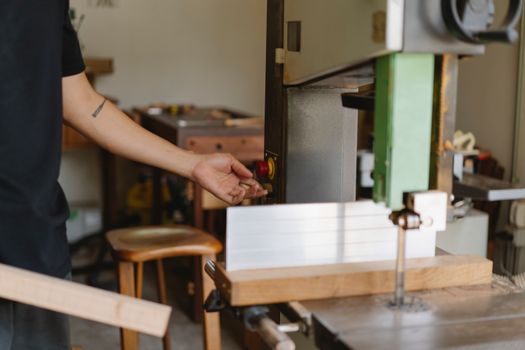
- Saws: A circular saw or miter saw will help you cut the wood to size. For more intricate designs, a jigsaw can be useful.
- Sandpaper or Sander: To smooth the surface of the reclaimed wood, use sandpaper or an electric sander.
- Drill: A power drill will be necessary for making holes and assembling your project.
- Wood Glue and Fasteners: Use wood glue and screws or nails to put your furniture together securely.
Steps to Use Reclaimed Wood in Your Projects
Now that you're equipped with knowledge and tools, here’s a simple step-by-step guide to using reclaimed wood in your woodworking projects:
- Source Your Reclaimed Wood: Visit local salvage yards, lumber mills, or online marketplaces to find quality reclaimed wood.
- Inspect the Wood: Look for any signs of damage, pests, or mold. Make sure it is safe to use.
- Prepare Your Workspace: Set up a clean and well-lit workspace with all your tools within reach.
- Measure and Cut: Use your measuring tools to mark your cuts and then carefully cut the wood to size.
- Sand the Wood: Sand the edges and surfaces of the wood to ensure a smooth finish.
- Assemble Your Project: Use wood glue and fasteners to put your project together. Make sure everything is secure and aligned.
- Finish the Surface: Depending on your design, you might want to apply a finish such as varnish, stain, or oil for added protection and aesthetics.
- Enjoy Your Creation: Once your project is complete, take a moment to appreciate the beauty and craftsmanship of using reclaimed wood!
Helpful Resources
If you're looking for inspiration and detailed plans for your woodworking projects, consider checking out Ted Woodworking. They offer a wide variety of woodworking plans that can help you get started with your reclaimed wood projects.
Conclusion
Using reclaimed wood in your woodworking projects can be a rewarding experience, both creatively and environmentally. By following the safety tips and steps outlined in this guide, you can ensure a safe and enjoyable woodworking journey. Happy crafting!
Frequently Asked Questions
- Is reclaimed wood safe for furniture? Yes, as long as it is properly inspected and treated, reclaimed wood can be very safe for furniture.
- How can I tell if reclaimed wood is treated? Look for chemical odors, check for any labels or markings, and consider testing with a chemical kit.
- What are the benefits of using reclaimed wood? Reclaimed wood is eco-friendly, offers unique character, and can be more durable than new wood, depending on the source.
📚 Related Articles
🔨 Want 16,000+ Woodworking Plans?
Get instant access to step-by-step plans with blueprints and cut lists.
Get Instant Access →