Introduction to Woodworking Joinery
When starting your woodworking journey, one of the most important skills to master is joinery. Joinery refers to the techniques used to connect pieces of wood together to create a sturdy and aesthetically pleasing piece of furniture. Understanding various types of joinery will not only enhance your skills but also improve the quality of your work. In this article, we will explore the essential types of woodworking joinery you should master as a beginner.
Why is Joinery Important?
Joinery is crucial because it determines the strength and durability of your furniture. A well-executed joint can withstand stress and strain, while a poorly executed one can lead to furniture failure. Additionally, the type of joinery you choose can impact the overall look of your project. Therefore, mastering a few key joinery techniques will greatly benefit your woodworking endeavors.
Essential Types of Joinery
Here are some basic types of joinery that every beginner woodworker should consider mastering:
1. Butt Joint
The butt joint is one of the simplest and most common types of joinery. It involves simply butting two pieces of wood together at a right angle.
- Tools Needed: Saw, wood glue, clamps
- How to Create: Cut both pieces of wood to the desired length. Apply glue to the edge of one piece, align the two pieces at a right angle, and clamp until dry.
2. Miter Joint
The miter joint is another basic joint that is often used for frames and boxes. It consists of two pieces cut at an angle, usually 45 degrees, to form a corner.
- Tools Needed: Miter saw, wood glue, clamps
- How to Create: Set your miter saw to 45 degrees. Cut both pieces of wood. Apply glue to the edges and clamp them together until the glue dries.
3. Dado Joint
The dado joint is a groove cut into one piece of wood that allows another piece to fit snugly into it. This type of joint is often used for shelving.
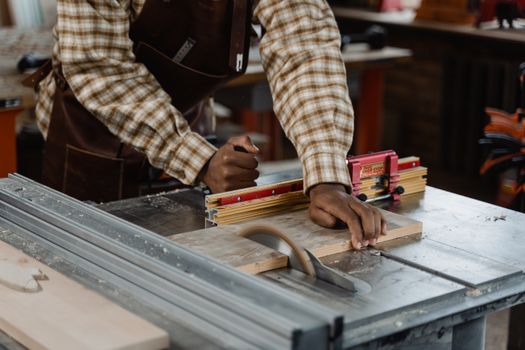
- Tools Needed: Table saw or router, wood glue, clamps
- How to Create: Set your table saw or router to the desired depth and width. Cut the groove into the side piece. Fit the shelf into the dado and apply glue before clamping.
4. Rabbet Joint
The rabbet joint is similar to a dado joint but is cut along the edge of a piece of wood rather than the face. This joint is useful for joining two pieces at right angles.
- Tools Needed: Table saw or router, wood glue, clamps
- How to Create: Cut a groove along the edge of one piece of wood. The other piece will fit into this groove, allowing for a strong connection.
5. Mortise and Tenon Joint
The mortise and tenon joint is a classic woodworking joint that is extremely strong and durable. It consists of a mortise hole cut into one piece of wood and a tenon tongue that fits into it from another piece.
- Tools Needed: Chisel, drill, saw, wood glue, clamps
- How to Create: Cut the mortise hole using a chisel and drill. Cut the tenon to fit snugly into the mortise. Apply glue and clamp until dry.
Resources for Learning Joinery
As you explore different joinery techniques, consider utilizing resources like Ted Woodworking. This platform offers a variety of plans and tutorials that can help you deepen your understanding of woodworking and improve your joinery skills.
Tips for Mastering Joinery
- Practice regularly to refine your skills.
- Use quality tools to achieve better results.
- Start with simpler joints and gradually work your way up to more complex ones.
- Take your time with measurements and cuts to ensure accuracy.
Conclusion
Mastering woodworking joinery is a fundamental step in your woodworking journey. By focusing on the essential types of joinery mentioned in this article, you will be well on your way to creating beautiful, strong furniture. Remember to practice, use the right tools, and seek out resources like Ted Woodworking to enhance your skills further.
FAQ
1. What is the strongest type of woodworking joint?
The mortise and tenon joint is often considered the strongest due to its interlocking design, which provides excellent stability and durability.
2. Do I need expensive tools to create good joints?
No, you can create quality joints with basic tools like a saw, clamps, and a chisel. However, investing in good-quality tools can improve your results.
3. How can I improve my joinery skills?
Practice is key. Start with simple joints, follow plans, and gradually challenge yourself with more complex techniques. Watching tutorials can also be beneficial.
📚 Related Articles
🔨 Want 16,000+ Woodworking Plans?
Get instant access to step-by-step plans with blueprints and cut lists.
Get Instant Access →