Understanding Edge Banding and Its Importance
In the world of woodworking, achieving a professional finish is paramount, especially when it comes to furniture projects. Edge banding plays a crucial role in not only enhancing the aesthetics of your pieces but also in protecting the raw edges of plywood and particleboard. This article delves into the various edge banding materials available, their applications, and how to choose the best option for your specific wood projects.
Types of Edge Banding Materials
When selecting edge banding materials, it is essential to consider their durability, appearance, and ease of application. Here are some of the most commonly used edge banding materials:
1. PVC Edge Banding
PVC (polyvinyl chloride) is one of the most popular edge banding materials due to its versatility and durability.
- Durability: PVC is resistant to moisture and chemicals, making it ideal for kitchen and bathroom furniture.
- Aesthetic Variety: Available in numerous colors and finishes, PVC edge banding can easily match or complement your wood project.
- Application: It can be applied using hot melt adhesive or iron-on methods, allowing for a clean and professional finish.
2. Melamine Edge Banding
Melamine edge banding is another widely used option, particularly suited for melamine-faced boards.
- Cost-Effective: Melamine is often more affordable than other options, making it a great choice for budget-conscious projects.
- Finish: It provides a smooth and sleek appearance, ideal for modern furniture styles.
- Application: Similar to PVC, melamine can be applied with an iron-on method, ensuring a seamless edge.
3. Wood Veneer Edge Banding
For those who seek a genuine wood appearance, wood veneer edge banding is an excellent choice.
- Authenticity: This option allows for a natural wood grain finish that enhances the overall look of your project.
- Variety: Available in various wood species, it can be stained or finished to match your project perfectly.
- Application: Requires careful handling and application, usually using a contact adhesive for the best results.
4. ABS Edge Banding
ABS (acrylonitrile butadiene styrene) edge banding is a newer option that has gained popularity due to its unique properties.
- Impact Resistance: ABS is highly durable and resistant to impact, making it suitable for high-traffic furniture.
- Color Fastness: It retains color well over time, ensuring that your edges stay vibrant.
- Application: Can be applied in similar methods to PVC, ensuring a smooth finish.
Choosing the Right Edge Banding for Your Project
When selecting edge banding, several factors should influence your decision:
- Project Type: Consider the application of your furniture piece. For example, for kitchen cabinets, PVC or ABS may be more suitable due to their moisture resistance.
- Finish and Aesthetic: Think about the desired look of your project. If a natural wood appearance is essential, wood veneer is the way to go.
- Durability Requirements: Assess the wear and tear that your furniture will face. For high-use items, opt for more robust materials like ABS or PVC.
Advanced Techniques for Edge Banding Application
To achieve a flawless edge banding application, consider the following advanced techniques:
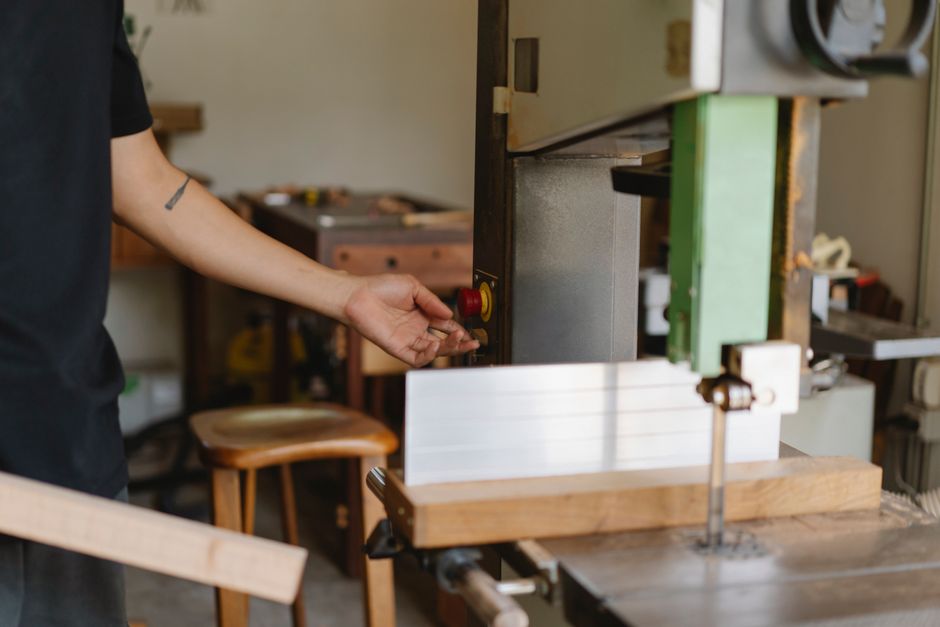
- Precision Cutting: Use a table saw or a laser cutter for accurate edge banding strips that fit perfectly to the edge of your project.
- Heat Control: When using iron-on methods, ensure that your iron is set to the correct temperature to avoid damaging the banding material.
- Trimming: After application, use a flush trim router or a specialized edge banding trimmer for a clean, flush finish.
Utilizing Resources Like Ted Woodworking
For those looking to expand their woodworking skills and knowledge, resources such as Ted Woodworking provide an extensive library of plans that can help you refine your furniture projects. With detailed instructions and illustrations, you can learn how to incorporate edge banding effectively into your designs.
Conclusion
Choosing the right edge banding material is essential for achieving a professional finish on your woodworking projects. By understanding the various options available—PVC, melamine, wood veneer, and ABS—you can select the best material for your needs. Coupled with advanced application techniques, you will elevate the quality of your work and impress with your craftsmanship.
FAQ Section
1. How do I apply edge banding to plywood?
To apply edge banding to plywood, first cut the banding to size, then heat it with an iron or apply adhesive. Finally, press it onto the edge of the plywood and trim any excess material for a clean finish.
2. What is the difference between iron-on and adhesive edge banding?
Iron-on edge banding uses heat to bond the banding to the substrate, while adhesive banding requires a separate glue application. Iron-on is generally quicker and offers a stronger bond for most applications.
3. Can I stain wood veneer edge banding?
Yes, wood veneer edge banding can be stained to match your project. Just ensure that you test the stain on a scrap piece first to achieve your desired color.
📚 Related Articles
🔨 Want 16,000+ Woodworking Plans?
Get instant access to step-by-step plans with blueprints and cut lists.
Get Instant Access →