Which Safety Gear Is Essential for Woodworking Projects?
Woodworking can be a fulfilling and creative hobby, but it also comes with its share of risks. To ensure a safe and productive work environment, investing in the right safety gear is crucial. In this article, we will cover the essential safety gear for woodworking projects, common mistakes to avoid, and troubleshooting tips to keep your workshop safe.
Why Safety Gear is Important
Safety gear protects you from potential injuries while working with various tools and materials. Whether you are using hand tools or machinery, having the right protective equipment can help prevent accidents and long-term health issues.
Essential Safety Gear for Woodworking
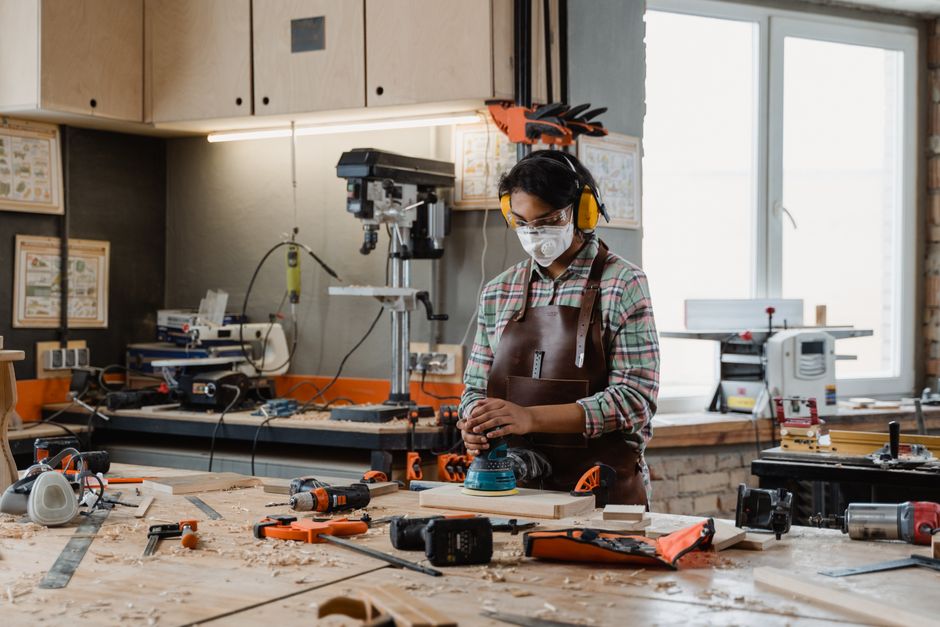
- Safety Glasses: Protect your eyes from flying debris and dust. Opt for ANSI-rated safety glasses that fit snugly.
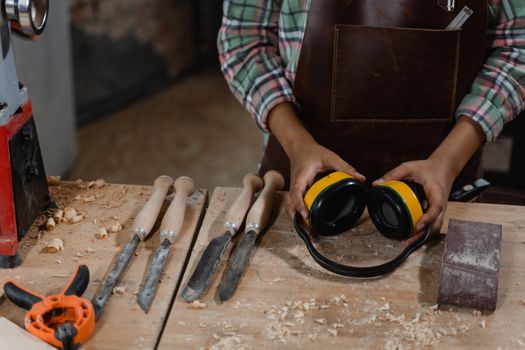
- Hearing Protection: Woodworking machines can produce loud noises that may damage your hearing. Use earmuffs or earplugs designed for high-decibel environments.
- Dust Mask or Respirator: Sawdust can be harmful when inhaled. A dust mask is suitable for light dust, while a respirator is recommended for more hazardous materials.
- Gloves: Use gloves to protect your hands from splinters, cuts, and abrasions. Choose gloves that provide a good grip and dexterity.
- Steel-Toed Boots: These provide foot protection against heavy objects that may fall during your projects. Look for boots with slip-resistant soles for added safety.
- Apron: A woodworking apron can protect your clothes and provide pockets for tools, keeping your workspace organized.
- Face Shield: For tasks that create flying debris, a face shield offers additional protection over safety glasses.
- First Aid Kit: Always have a well-stocked first aid kit in your workshop to handle minor injuries promptly.
Common Mistakes to Avoid
Even with the proper safety gear, mistakes can happen. Here are some common errors and how to troubleshoot them:
1. Skipping Safety Gear
One of the most significant mistakes is not wearing safety gear at all. You might think that a quick task doesn't require full protection, but accidents can occur in a split second.
Tip: Make it a habit to wear all necessary safety gear before starting any project, no matter how small.
2. Using Worn or Damaged Equipment
Worn-out safety gear can provide a false sense of security. For instance, cracked safety glasses or torn gloves are ineffective.
Tip: Regularly inspect your safety equipment and replace any items that show signs of wear. This includes replacing filters in respirators and checking for proper fitting.
3. Ignoring Proper Tool Use
Even if you are wearing safety gear, using tools incorrectly can lead to accidents. For example, using a table saw without understanding its operation can be dangerous.
Tip: Always read the manufacturer’s instructions and watch tutorials if you are unfamiliar with a tool. Consider using woodworking plans from resources like Ted Woodworking to ensure proper techniques.
4. Neglecting Workshop Organization
A cluttered workspace can lead to accidents. Tools and materials lying around can cause trips and falls.
Tip: Keep your workspace tidy. Designate specific areas for tools and materials, and always return items to their rightful place after use.
5. Overlooking Emergency Preparedness
Some woodworkers fail to prepare for emergencies, thinking they won’t happen to them. This mindset can be dangerous.
Tip: Always have a first aid kit accessible and know how to use the items within it. Additionally, familiarize yourself with emergency procedures and have a plan in place.
Conclusion
Safety gear is an essential part of any woodworking project. By investing in the right protective equipment and avoiding common mistakes, you can create a safer workshop environment. Always prioritize safety and ensure that you are well-prepared for any situation that may arise while woodworking.
FAQ Section
- What is the most important piece of safety gear for woodworking? While all safety gear is essential, safety glasses are often considered the most critical item as they protect your eyes from debris.
- How often should I replace my safety gear? It is advisable to inspect your safety gear regularly and replace it whenever you notice signs of wear, damage, or if it no longer fits properly.
- Can I use regular gloves for woodworking? It is better to use gloves specifically designed for woodworking, as they provide better grip and protection against cuts and splinters.
📚 Related Articles
🔨 Want 16,000+ Woodworking Plans?
Get instant access to step-by-step plans with blueprints and cut lists.
Get Instant Access →