How to Create a Woodworking Shop Budget for Beginners
Starting a woodworking shop can be an exciting venture, especially for beginners who have a passion for crafting and creating. However, diving into woodworking without a solid budget can lead to overspending and frustration. This article will guide you through creating a woodworking shop budget focused on cost-saving tips and affordable materials.
1. Assess Your Current Resources
Before you start spending money, assess what tools and materials you already have. This will give you a clearer picture of what you need to purchase. Consider the following:
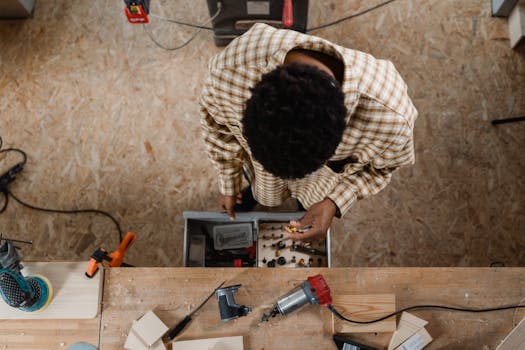
- Tools: Check your garage or shed for any hand tools or power tools you may already own.
- Space: Evaluate your workspace. Do you have a designated area, or will you need to create one?
- Materials: Look for scrap wood or leftover materials from previous projects that can be repurposed.
2. Define Your Woodworking Goals
Establishing your woodworking goals will help you prioritize your budget. Are you looking to build furniture, create home decor, or perhaps start a small side business? Knowing your focus will help you decide what tools and materials are essential.
3. Research and Plan Your Tool List
Creating a comprehensive list of tools is crucial. As a beginner, you don't need to invest in every tool available. Start with the basics:
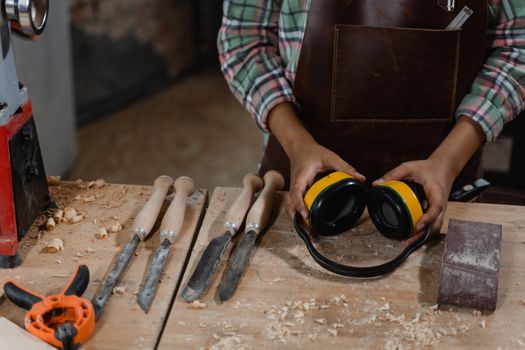
- Hand Tools: A quality hand saw, chisels, a hammer, and a square.
- Power Tools: A circular saw, a drill, and a sander.
- Safety Gear: Safety glasses, ear protection, and a dust mask.
Once you have your list, research affordable options. Consider shopping at local hardware stores, checking online marketplaces, or even looking for second-hand tools.
4. Budget for Materials
When it comes to materials, wood can be one of the most significant expenses. Here are some tips to save money:
- Choose Affordable Woods: Softwoods like pine, cedar, or fir are often less expensive than hardwoods.
- Look for Deals: Keep an eye out for sales at local lumber yards or home improvement stores.
- Consider Alternative Materials: Plywood and MDF can be more affordable than solid wood and are often easier to work with.
- Repurpose Materials: Use reclaimed wood or pallets for unique projects without breaking the bank.
5. Create a Detailed Budget
Once you have a clear idea of the tools and materials you need, create a detailed budget. Include costs for:
- Tools: List each tool with an estimated cost.
- Materials: Estimate the wood and other materials needed for your first few projects.
- Safety Gear: Don’t forget to budget for safety equipment.
- Shop Setup: Consider any shelving, workbenches, or storage solutions you may need.
Having a thorough budget will help you avoid impulse purchases and stay on track.
6. Utilize Online Resources
There are many online resources available for beginners. Websites like Ted Woodworking offer a wealth of plans and project ideas that can guide you as you build out your shop. These plans can help you visualize your projects and save time in the planning phase.
7. Start Small and Scale Up
As a beginner, it’s wise to start small. Choose one or two projects that align with your skills and budget. As you gain experience and confidence, you can gradually expand your tool collection and tackle more complex projects.
8. Track Your Spending
Keep a record of your expenses, and update your budget regularly. This will help you see where your money is going and identify areas where you can cut costs in the future.
9. Join a Community
Connecting with other woodworkers can provide valuable insights and tips. Online forums, local woodworking clubs, or social media groups can be excellent resources for advice, project ideas, and even tool swaps.
Conclusion
Creating a woodworking shop budget as a beginner is essential for setting yourself up for success. By assessing your resources, defining your goals, and prioritizing your purchases, you can build a functional and enjoyable workspace without overspending. Remember, the journey of woodworking is as rewarding as the projects you create, so take your time and enjoy the process!
FAQ
1. What is the most important tool for beginners in woodworking?
The most important tools for beginners are typically a good quality saw, a drill, and a sander. These will cover most basic projects.
2. How can I save money on woodworking materials?
To save money on materials, consider using softwoods, buying from sales, or repurposing wood from old furniture or pallets.
3. Are there affordable woodworking plans available online?
Yes, websites like Ted Woodworking provide a variety of affordable woodworking plans suitable for beginners.
📚 Related Articles
🔨 Want 16,000+ Woodworking Plans?
Get instant access to step-by-step plans with blueprints and cut lists.
Get Instant Access →