Introduction
\nAs a woodworking enthusiast, you might often wonder if joining a woodworking community can significantly elevate your skills. If you are serious about developing advanced techniques, especially in joinery and achieving a professional finish, the answer is a resounding yes. In this article, we will explore the benefits of being part of a woodworking community and how it can aid in your skill development.
\n\nUnderstanding Joinery: The Backbone of Woodworking
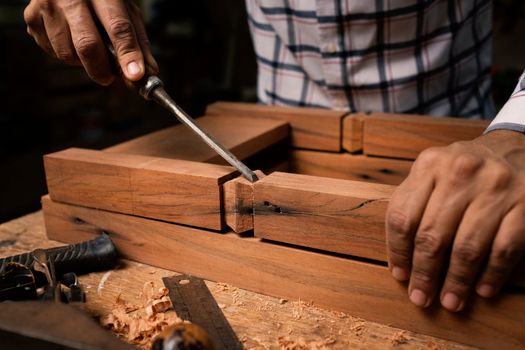
\nJoinery is arguably one of the most critical aspects of woodworking. It is the technique of connecting pieces of wood together. Mastering joinery is essential for creating sturdy and aesthetically pleasing furniture. By joining a woodworking community, you gain access to a wealth of knowledge and experience that can enhance your joinery skills.
\n\nTypes of Joints and Their Uses
\n- \n
- Butt Joint: The simplest form of joinery, often used for quick fixes. \n
- Mitre Joint: Ideal for corner applications, providing a clean finish. \n
- Dado Joint: Used for shelving, providing strong support. \n
- Mortise and Tenon: A traditional joint known for its strength and durability. \n
- Box Joint: Excellent for drawer construction, offering a good mechanical grip. \n
Participating in discussions about these types of joints within a community can help you understand their specific applications and nuances, which can be crucial for precision in your projects.
\n\nThe Importance of Precision in Woodworking
\nPrecision is a hallmark of professional woodworking. A community can provide you with tips and techniques for achieving greater accuracy in your cuts and joints. Whether you’re using hand tools or power tools, learning from seasoned woodworkers can save you time and frustration.
\n\nTools and Techniques for Precision
\n- \n
- Calipers: Essential for measuring wood thickness accurately. \n
- Square: Ensures your cuts are perfectly perpendicular. \n
- Router: Useful for creating intricate joints and profiles. \n
- Table Saw: A must-have for precision cuts. \n
- Chisels: Essential for cleanly defining joints. \n
In a woodworking community, you can learn how to use these tools effectively and share your own insights, creating a cycle of continuous improvement.
\n\nAchieving a Professional Finish
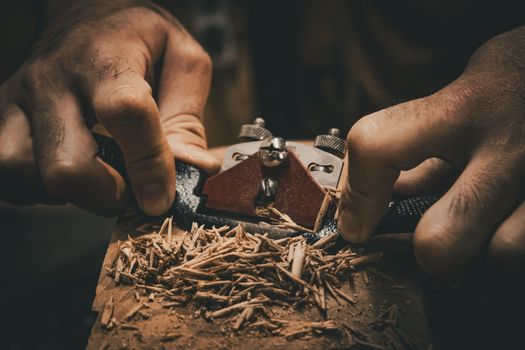
\nA professional finish can transform an ordinary piece of furniture into a work of art. Techniques such as sanding, staining, and applying finishes are often discussed in woodworking communities. Sharing your experiences and learning from others can lead to better results.
\n\nFinishing Techniques to Explore
\n- \n
- Sanding: The foundation of a smooth finish; learn about grit progression. \n
- Staining: Understand how different stains can affect the appearance of wood. \n
- Sealing: Protect your work with the right sealers. \n
- Topcoats: Discover various topcoat options for durability and sheen. \n
- Buffing: Techniques to achieve a high-gloss finish. \n
Many community members may share their favorite finishing products and techniques, including resources like Ted Woodworking, which offers a variety of plans that can inspire you to take your finishing skills to the next level.
\n\nNetworking and Collaboration Opportunities
\nBeing part of a woodworking community opens the door to networking and collaboration. You can connect with other woodworkers who share your passion and learn from their experiences. This collaboration can lead to joint projects that can push your skills further.
\n\nWorkshops and Classes
\nMany woodworking communities host workshops and classes where you can learn advanced techniques in a hands-on environment. These learning opportunities can be invaluable for mastering skills that are difficult to grasp through books or online tutorials.
\n\nOnline vs. In-Person Communities
\nWith the advent of technology, woodworking communities can be found both online and in-person. Online forums and social media groups allow for easy access to a global network of woodworkers. In contrast, in-person communities offer the advantage of hands-on learning and immediate feedback. Consider what suits your learning style best.
\n\nConclusion
\nIn conclusion, joining a woodworking community can significantly enhance your skill development, particularly in advanced joinery techniques, precision craftsmanship, and achieving a professional finish. The shared knowledge, resources, and collaborative opportunities available in these communities make them invaluable. Whether you're a seasoned woodworker or just starting, the benefits of joining such a community are undeniable.
\n\nFAQ
\n- \n
- Q: What are the benefits of joining a woodworking community?
A: You gain access to shared knowledge, techniques, and networking opportunities that can enhance your woodworking skills. \n - Q: Can I find resources for woodworking plans?
A: Yes, resources like Ted Woodworking offer a vast array of plans suitable for various skill levels. \n - Q: Should I choose an online or in-person woodworking community?
A: It depends on your learning style; online communities offer flexibility, while in-person groups provide hands-on experiences. \n
📚 Related Articles
🔨 Want 16,000+ Woodworking Plans?
Get instant access to step-by-step plans with blueprints and cut lists.
Get Instant Access →