Can I Use Scrap Wood for My Woodworking Projects? Pros and Cons
In the world of woodworking, the choice of materials can significantly impact the quality and durability of your finished projects. One option that many woodworkers consider is using scrap wood. But is it a good idea? In this article, we will explore the pros and cons of using scrap wood for your woodworking endeavors, as well as recommend specific tools that can enhance your experience. Let’s dive in!
What is Scrap Wood?
Scrap wood refers to leftover pieces from previous woodworking projects, often considered too small or irregular for traditional uses. This material can include offcuts, leftover boards, and even damaged lumber. While it may not always look perfect, it can serve as a valuable resource for creative projects.
Pros of Using Scrap Wood
- Cost-Effective: One of the most significant advantages of using scrap wood is the cost savings. Since you’re utilizing materials you already have, you can cut down on expenses associated with purchasing new lumber.
- Environmentally Friendly: By using scrap wood, you are contributing to sustainability in woodworking. Reducing waste by repurposing materials helps lessen your environmental footprint.
- Encourages Creativity: Working with scrap wood often requires thinking outside the box. This limitation can inspire creativity, leading to unique and innovative designs.
- Practice and Skill Development: Beginners can use scrap wood to practice their skills without the pressure of ruining expensive materials. It’s an excellent way to experiment with techniques and tools.
Cons of Using Scrap Wood
- Quality Control: Not all scrap wood is created equal. Some pieces may be warped, cracked, or infested with pests, which can compromise the integrity of your project.
- Limited Availability: Depending on your woodworking habits, you may not always have enough scrap wood to complete larger projects. This limitation can lead to frustration and wasted time.
- Inconsistent Appearance: Using various types of scrap wood can result in a mismatched appearance, which may not be desirable for certain projects. This inconsistency can affect the overall aesthetic.
- Time-Consuming Preparation: Preparing scrap wood for projects may require additional effort, such as sanding, cutting, and measuring, which can be time-consuming.
Essential Tools for Working with Scrap Wood
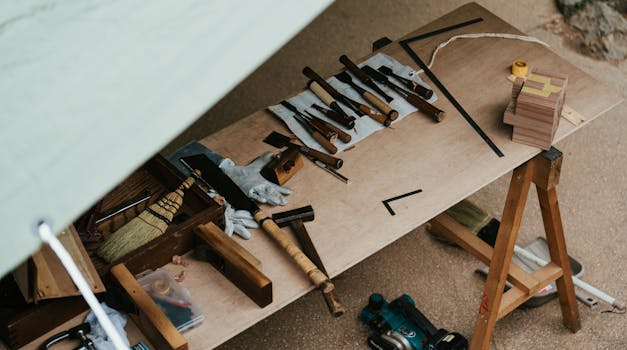
To make the most out of your scrap wood projects, having the right tools is essential. Here are some recommended tools along with their pros and cons:
1. Circular Saw
A circular saw is a versatile tool that can easily cut through various types of wood, including scrap. It is essential for making straight cuts quickly.
- Pros: Portable, easy to use, suitable for making precise cuts.
- Cons: Requires careful handling and can be dangerous if not used properly.
2. Jigsaw
A jigsaw is perfect for making intricate cuts and curves, which can be particularly useful when working with irregularly shaped scrap pieces.
- Pros: Great for detailed work, easy to control.
- Cons: Not as effective for straight cuts compared to a circular saw.
3. Sander
A good sander is crucial for preparing scrap wood. It helps smooth out rough edges and surfaces, making your projects look polished.
- Pros: Saves time and effort, produces a smooth finish.
- Cons: Can be noisy and create a lot of dust if not contained.
4. Clamps
Clamps are essential for holding your scrap wood pieces securely in place while you work. They ensure accuracy and stability during cutting and assembly.
- Pros: Increases precision, versatile for various project sizes.
- Cons: Can be cumbersome if you have multiple pieces to hold.
5. Measuring Tools
Accurate measurements are critical when working with scrap wood. Invest in a reliable tape measure and square to ensure your cuts are precise.
- Pros: Essential for accuracy, easy to use.
- Cons: Requires attention to detail; mistakes can be costly.
Finding Plans for Scrap Wood Projects
If you’re looking for inspiration on how to utilize scrap wood effectively, consider checking out resources like Ted Woodworking. They offer a plethora of woodworking plans that can guide you through various projects, many of which can be made using scrap materials.
Conclusion
Using scrap wood in your woodworking projects can be a rewarding experience, offering both benefits and challenges. While it's a cost-effective and environmentally friendly option, it requires careful consideration of quality and availability. By equipping yourself with the right tools and embracing your creativity, you can transform scrap wood into beautiful and functional pieces.
FAQ
1. What types of scrap wood are best for woodworking projects?
The best types of scrap wood are those that are clean, free of major defects, and appropriate for your project. Hardwoods like oak or maple provide durability, while softwoods like pine are easier to work with.
2. How can I ensure the quality of scrap wood before using it?
Inspect scrap wood for cracks, warping, and pest infestations. A good practice is to sand down the surface to check for any hidden issues.
3. Can I use painted or treated scrap wood in projects?
While you can use painted or treated scrap wood, be cautious as they may contain harmful chemicals. Sanding off paint and checking for any toxic treatments is advisable before using them in projects.
📚 Related Articles
🔨 Want 16,000+ Woodworking Plans?
Get instant access to step-by-step plans with blueprints and cut lists.
Get Instant Access →