Understanding Wood Grain: The Key to Successful Carpentry
When it comes to professional carpentry, the beauty and durability of your finished piece often hinge on one crucial factor: wood grain. Many carpenters, especially those just starting out, underestimate the impact that wood grain can have on their projects. In this article, we’ll explore why understanding wood grain is essential for professional carpentry and how to avoid common mistakes associated with it.
The Importance of Wood Grain
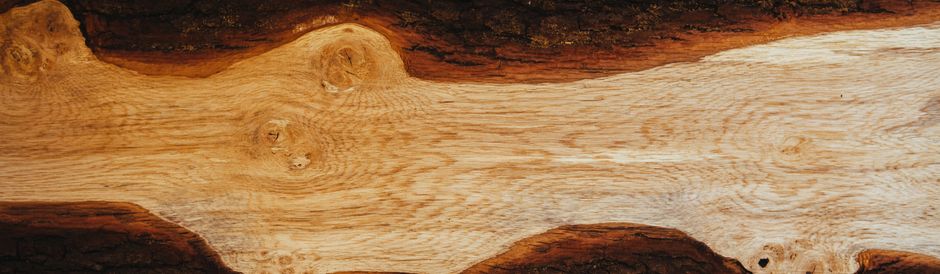
Wood grain refers to the patterns and texture present on the surface of wood, which are a result of how the wood fibers grow and align. Understanding wood grain is essential for several reasons:
- Aesthetic Appeal: The grain pattern can greatly influence the visual impact of a piece of furniture. Different woods have unique grain patterns that can enhance or detract from the overall design.
- Structural Integrity: The direction of the grain affects the strength and stability of the wood. Knowing how to orient your cuts can prevent warping and cracking.
- Finish Application: The way the wood grain absorbs finishes can vary widely. Understanding this can lead to more even staining and finishing results.
Common Mistakes to Avoid
Despite its importance, many carpenters make mistakes when working with wood grain. Below are some common pitfalls and troubleshooting tips to help you navigate them.
1. Ignoring the Grain Direction
One of the most frequent mistakes is cutting against the grain. This can result in tear-out, splintering, or uneven surfaces that are difficult to finish.
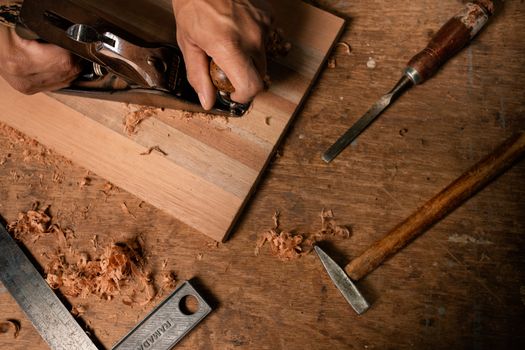
- Tip: Always identify the direction of the wood grain before making cuts. Use a hand plane or chisel in the direction of the grain to achieve a smoother finish.
2. Selecting the Wrong Wood for the Project
Choosing wood without considering its grain characteristics can lead to unexpected results. For instance, using a softwood with a prominent grain for a project that requires durability may not yield the best outcome.
- Tip: Research various wood types and their grain patterns. Resources like Ted Woodworking provide detailed plans and insights into choosing the right wood for your specific project.
3. Overlooking Grain Matching
When working on multi-piece projects, failing to match the grain can lead to an uncoordinated look. This is particularly important in cabinetry and furniture where symmetry is key.
- Tip: Lay out your pieces and compare grain patterns before final assembly. This can help you determine the best arrangement to create a cohesive look.
4. Misjudging Moisture Content
Wood grain is affected by moisture content, which can lead to changes in the wood's size and shape. Many carpenters overlook this aspect, leading to issues like warping or cracking.
- Tip: Use a moisture meter to check the wood's moisture content before you begin your project. Aim for a stable moisture level that is suitable for your environment.
5. Neglecting to Test Finishes
Each type of wood reacts differently to stains and finishes. Failing to test the finish can lead to unexpected colors and textures.
- Tip: Always conduct a test on a scrap piece of the same wood. This allows you to see how the grain interacts with the finish and make necessary adjustments.
Conclusion
Understanding wood grain is not merely a matter of aesthetics; it is integral to the functionality and longevity of your projects. By avoiding common mistakes and applying the troubleshooting tips outlined above, you can elevate your carpentry skills and produce stunning, durable pieces. Remember, resources like Ted Woodworking can provide you with valuable insights and plans to guide your woodworking journey.
FAQs
1. How can I tell the grain direction of a piece of wood?
Examine the wood surface closely; the grain will usually have a consistent pattern that runs in one direction. You can also look at the ends of the wood for a clearer view of the grain.
2. What types of wood are best for different projects?
Hardwoods like oak and maple are great for furniture due to their durability and aesthetic appeal, while softwoods like pine are often used for projects that require less structural strength.
3. Can I change the appearance of wood grain with finishing techniques?
Yes, the right finishing techniques can enhance or change the appearance of wood grain. Stains can accentuate the grain, while certain finishes can provide a protective layer that also alters the visual effect.
📚 Related Articles
🔨 Want 16,000+ Woodworking Plans?
Get instant access to step-by-step plans with blueprints and cut lists.
Get Instant Access →