Why Choosing Sustainable Wood Improves Your Woodworking Skills
As woodworking enthusiasts and professionals alike strive for excellence in their craft, the materials we choose can significantly influence the quality of our work. One of the most impactful decisions is selecting the right type of wood. Sustainable wood has been gaining recognition not only for its environmental benefits but also for its ability to enhance woodworking skills. In this article, we will explore how using sustainable wood can improve your joinery techniques, precision, and overall finish.
The Importance of Material Selection
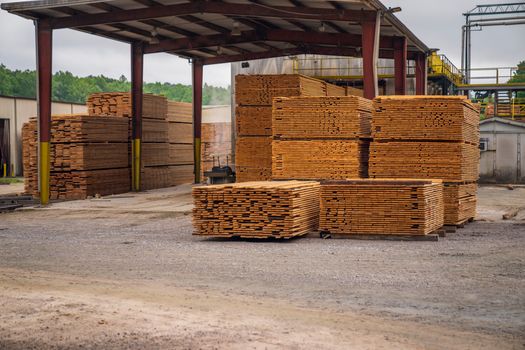
Wood is a living material, and its properties can vary greatly depending on its type, age, and the way it has been harvested. Sustainable wood, sourced from responsibly managed forests, often has characteristics that can elevate your woodworking projects. These woods are typically more stable, have fewer defects, and can provide a superior finish compared to their non-sustainable counterparts.
Stability and Workability
When selecting wood, stability is crucial for precision in joinery. Sustainable woods, such as reclaimed oak or FSC-certified maple, tend to have better moisture content management, which reduces warping and splitting over time.
- Fewer Defects: Sustainable wood often undergoes less stress during growth, leading to fewer knots and defects.
- Better Grain Patterns: A consistent grain not only improves aesthetics but also affects how the wood behaves during cutting and joining.
- Enhanced Workability: Sustainable woods are often easier to machine and finish, allowing for cleaner cuts and smoother surfaces.
Refining Joinery Techniques
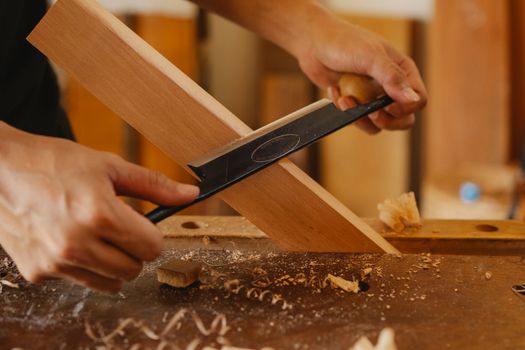
Joinery is where the true artistry of woodworking shines. By using sustainable wood, you can refine your joinery techniques significantly. Here’s how:
- Precision Cuts: With better stability, sustainable wood holds its shape during cutting, allowing for more precise joints.
- Improved Adhesion: The clean surfaces of sustainably sourced wood allow for better glue adhesion, enhancing the strength of your joints.
- Experimentation: The consistent quality of sustainable wood encourages experimentation with complex joinery techniques such as dovetails, mortise and tenon, and box joints.
Achieving a Professional Finish
The finish of your woodworking project can make or break its overall appearance. Sustainable wood typically absorbs stains and finishes more evenly, resulting in a professional look. Here are some tips to achieve a flawless finish:
- Surface Preparation: Begin with thorough sanding. Sustainable wood often has fewer imperfections that can be highlighted by the finish.
- Choosing the Right Finish: Experiment with different finishes to see how they interact with the wood's natural grain. Water-based finishes usually work well with sustainable materials.
- Layering Technique: Applying multiple layers of finish can enhance depth and richness in color, especially with woods like walnut and cherry.
Resource for Plans
For those looking to take their woodworking skills to the next level, utilizing resources like Ted Woodworking can provide invaluable plans and project ideas that emphasize the use of sustainable materials. The detailed plans available can help you understand how to work with different types of wood, ensuring that you maximize the benefits of your chosen materials.
Conclusion
Choosing sustainable wood is not just an environmentally responsible decision; it is a choice that can significantly enhance your woodworking skills. By focusing on stability, refining your joinery techniques, and achieving a professional finish, you can elevate your craft to new heights. As you embark on your next woodworking project, consider the benefits of sustainable wood and how it can contribute to your growth as a woodworker.
FAQ
1. What types of wood are considered sustainable?
Sustainable wood typically includes species that are harvested from well-managed forests, such as bamboo, reclaimed wood, and woods certified by organizations like the Forest Stewardship Council (FSC).
2. How does sustainable wood affect the cost of a project?
While sustainable wood may sometimes carry a higher upfront cost, its durability and quality can lead to longer-lasting projects, making it a cost-effective choice in the long run.
3. Can I use sustainable wood for outdoor projects?
Yes, certain sustainable woods, such as teak and cedar, are excellent choices for outdoor projects due to their natural resistance to moisture and pests.
📚 Related Articles
🔨 Want 16,000+ Woodworking Plans?
Get instant access to step-by-step plans with blueprints and cut lists.
Get Instant Access →