Best Woods for Creating Furniture That Lasts: Essential Tips
When it comes to building furniture that stands the test of time, the choice of wood is crucial. Not only does the wood affect the aesthetics of the piece, but it also determines its durability, workability, and maintenance needs. This article dives deep into the best woods for furniture making, alongside advanced techniques focusing on joinery, precision, and achieving a professional finish.
Understanding Wood Properties
Before selecting your wood, it's essential to understand the properties that make certain woods ideal for furniture. The key factors include:
- Density: Denser woods are generally more durable and resistant to wear and tear.
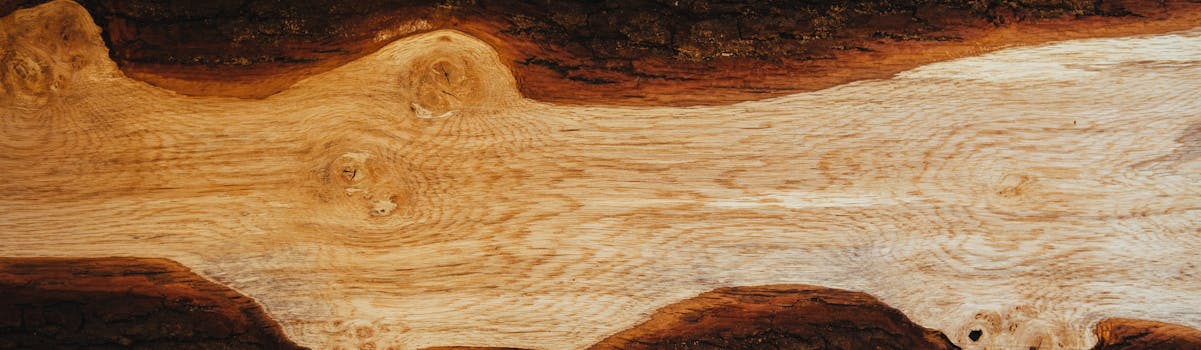
- Grain Pattern: The grain can influence the aesthetic appeal and structural integrity of the piece.
- Workability: Some woods are easier to work with, allowing for intricate joinery techniques.
- Moisture Resistance: Certain woods are better at resisting moisture, making them ideal for environments such as kitchens and bathrooms.
- Stability: Woods that are less prone to warping and splitting provide longevity.
Top Woods for Durable Furniture
Here are some of the best woods favored by professionals for creating long-lasting furniture:
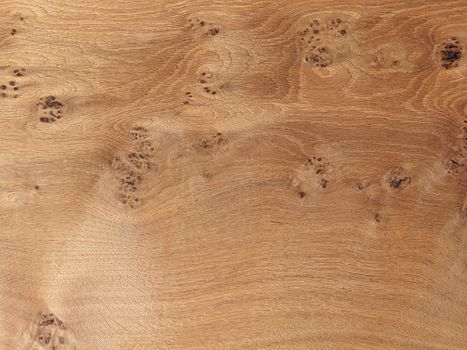
- Oak: Known for its strength and durability, oak is an excellent choice for heavy-use furniture. It has a beautiful grain pattern and is resistant to scratches, making it perfect for tables and chairs.
- Maple: Hard maple offers remarkable durability and a fine grain. Its light color can be stained to match various decors, and it is particularly suitable for cabinetry and fine furniture.
- Walnut: A premium wood with a rich color and deep grain, walnut is favored for its aesthetic appeal and strength. It ages beautifully, making it ideal for heirloom pieces.
- Cherry: Cherry wood is known for its warm tones and smooth finish. It is easy to work with and develops a rich patina over time, making it a favorite for both traditional and modern designs.
- Teak: Renowned for its natural oils, teak is highly resistant to moisture and decay, making it ideal for outdoor furniture. Its rich golden-brown color and fine grain add elegance to any setting.
- Birch: Birch is often chosen for its light color and fine grain. It is a strong and flexible wood, making it suitable for bentwood furniture and intricate designs.
Advanced Joinery Techniques
Once you've selected your wood, the next step is to focus on joinery techniques that enhance the strength and longevity of your furniture. Here are some advanced techniques to consider:
- Dovetail Joints: These joints are not only aesthetically pleasing but also incredibly strong. They are commonly used in drawer construction and can withstand significant stress.
- Mortise and Tenon: This traditional joinery method involves fitting a protruding tenon into a mortise. It’s widely used for frames and provides exceptional strength.
- Biscuit Joints: Using biscuits can help align pieces while providing additional strength. This technique is perfect for joining larger panels.
- Dowels: Doweling can offer precise alignment and strength. When executed correctly, this technique can be nearly invisible and maintains the wood's aesthetic.
- Finger Joints: Ideal for edge-to-edge joints, finger joints increase gluing surface area, making them strong and visually appealing.
Precision in Woodworking
Precision is key in woodworking. Here are some essential tips to ensure your cuts and joinery are precise:
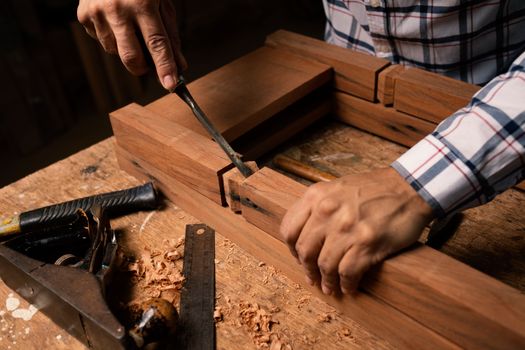
- Use Quality Tools: Invest in high-quality saws, chisels, and measuring tools. A sharp blade makes cleaner cuts.
- Measure Twice, Cut Once: Always double-check your measurements before making any cuts. This old adage can save you valuable time and resources.
- Use a Router: A router can create precise grooves for joinery and add decorative edges to your pieces.
- Practice Sanding Techniques: Sanding is crucial for achieving a smooth finish. Use a progression of grits to remove imperfections and prepare the surface for finishing.
Achieving a Professional Finish
The finish you apply can greatly affect the look and longevity of your furniture. Here are some finishing techniques to consider:
- Staining: Stains can enhance the natural beauty of the wood while providing a protective barrier. Test stains on scrap wood to see how they interact with your chosen species.
- Sealing: A good wood sealer protects the surface from moisture and dirt. Choose a sealant that complements your stain.
- Topcoat: Applying a topcoat, such as polyurethane, will add an extra layer of protection and enhance durability. Choose between matte, satin, and gloss finishes based on your desired look.
- Buffing: After applying the finish, buff the surface with a soft cloth to achieve a smooth feel and even sheen.
For those seeking a comprehensive resource for furniture plans, Ted Woodworking offers a wide array of projects suited for all skill levels, providing detailed plans that emphasize precision and durability.
Conclusion
Choosing the right wood and employing advanced woodworking techniques are essential for creating furniture that lasts. By focusing on quality materials, precision in joinery, and a professional finish, you can craft exquisite pieces that will withstand the test of time.
FAQ
- What is the most durable wood for furniture?
Hardwoods like oak and maple are often considered the most durable for furniture due to their density and resistance to wear.
- How do I choose the right wood for my project?
Consider factors like the intended use, environment, and desired aesthetics. Research the properties of each wood species to find the best fit.
- What finishing techniques should I use for outdoor furniture?
For outdoor furniture, choose moisture-resistant finishes like marine varnish or oil-based stains for added protection against the elements.
📚 Related Articles
🔨 Want 16,000+ Woodworking Plans?
Get instant access to step-by-step plans with blueprints and cut lists.
Get Instant Access →