Introduction
When it comes to woodworking, the materials you choose can significantly influence both the cost of your project and its final appearance. One great option that combines budget-friendly benefits with unique aesthetics is salvaged wood. In this article, we will explore the advantages of using salvaged wood, tips for sourcing it, and how to incorporate it into your next woodworking project.
Why Choose Salvaged Wood?
Salvaged wood, often referred to as reclaimed wood, is wood that has been repurposed from old structures, furniture, or other sources. Here are some reasons why you might consider using salvaged wood for your next project:
- Cost-Effective: Using salvaged wood can save you a significant amount of money compared to buying new lumber. Often, you can find it for free or at a minimal cost, especially if you check local classifieds or salvage yards.
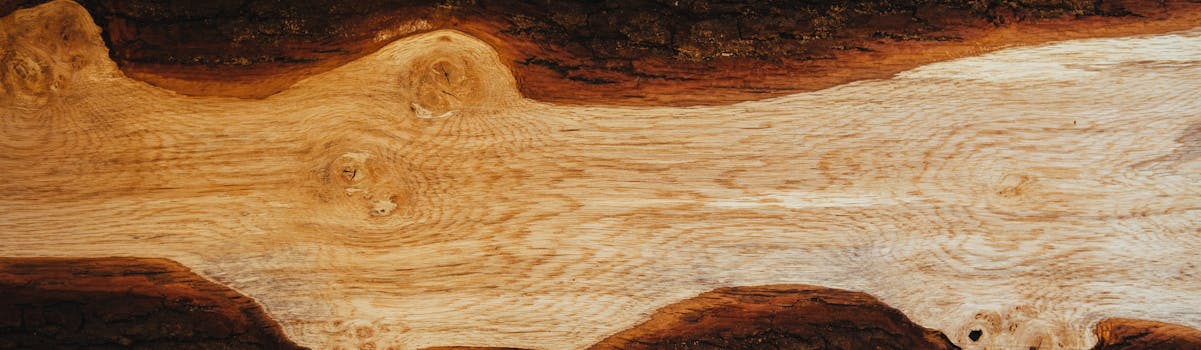
- Unique Character: Each piece of salvaged wood has its own history and character, which can add a unique touch to your furniture. Knots, grain patterns, and weathered surfaces can create stunning visual interest.
- Eco-Friendly: By choosing salvaged wood, you are contributing to sustainability efforts by reducing the demand for new timber, which helps preserve forests and reduces waste.
- Durability: Many types of salvaged wood come from old-growth trees that are often denser and more durable than many modern softwoods, making them ideal for furniture that will last.
Where to Find Salvaged Wood
Finding salvaged wood can be an adventure in itself. Here are some common sources to consider:
- Local Salvage Yards: Many cities have salvage yards that specialize in reclaimed materials. These are great places to find beams, flooring, and other types of usable wood.
- Construction Sites: Older buildings being demolished often have valuable wood that can be salvaged. Always ask for permission before taking wood from a site.
- Online Marketplaces: Websites like Craigslist, Facebook Marketplace, and even specialized reclaimed wood sites often have listings for salvaged wood.
- Friends and Family: You might be surprised by how many people have old furniture or structures they are looking to get rid of. Spread the word and you might score some great materials!
Preparing Salvaged Wood
Once you’ve sourced your salvaged wood, it’s essential to prepare it properly before incorporating it into your project. Here are some key steps:
- Cleaning: Salvaged wood can often be dirty or covered in old paint. Use a scrub brush and soapy water, or a pressure washer for larger pieces, to clean it thoroughly.
- Inspecting for Damage: Check for signs of rot, insect damage, or excessive warping. If the wood is compromised, it may not be suitable for your project.
- Drying: If the wood is wet, allow it to dry completely to prevent warping or cracking after installation.
- Sanding: Sand the wood to remove rough edges and finish it to your desired smoothness. This step is crucial for ensuring a clean look and safe handling.
Incorporating Salvaged Wood into Your Project
Now that you have prepared your salvaged wood, it’s time to start building! Here are some ideas for incorporating it into your woodworking projects:
- Tabletops: Salvaged wood can make stunning tabletops. Combine different pieces for a unique patchwork effect, or use larger planks for a more uniform look.
- Accent Pieces: Use salvaged wood to create small accent pieces like shelves, picture frames, or wall art. These can be excellent ways to showcase the wood’s character.
- Furniture Frames: Build the frames of furniture like chairs, benches, or cabinets from salvaged wood. This adds both strength and visual interest.
- Mixing with New Wood: If you need to complement your salvaged wood, consider mixing it with new wood. This can help keep costs down while still achieving a cohesive look.
Utilizing Plans for Your Projects
If you’re unsure where to start, utilizing woodworking plans can help guide your projects. Resources like Ted Woodworking provide comprehensive plans that can accommodate various wood types, including salvaged wood. With clear instructions and detailed diagrams, you can confidently create beautiful furniture pieces while staying on budget.
Conclusion
Using salvaged wood in your woodworking projects is not only a cost-saving option but also a way to express creativity and environmental consciousness. By sourcing, preparing, and incorporating salvaged wood thoughtfully, you can create beautiful and unique furniture pieces that stand the test of time. Happy building!
Frequently Asked Questions
- Is salvaged wood safe to use? Yes, as long as it is properly inspected and prepared, salvaged wood can be safe and durable for woodworking projects.
- How can I tell if salvaged wood is of good quality? Inspect for signs of damage, excessive warping, or rot. A good piece should feel solid and free from major flaws.
- Can I use salvaged wood for outdoor projects? While some salvaged wood can be suitable for outdoor use, it’s essential to ensure it is weather-resistant and treated appropriately to prevent decay.
📚 Related Articles
🔨 Want 16,000+ Woodworking Plans?
Get instant access to step-by-step plans with blueprints and cut lists.
Get Instant Access →