Introduction
When it comes to woodworking, selecting the right type of wood for your projects can make a significant difference in the outcome. Softwoods are often a popular choice among woodworkers, especially for furniture building, due to their unique properties and availability. In this article, we will dive deep into the pros and cons of using softwoods in woodworking, helping you make an informed choice for your next project.
What Are Softwoods?
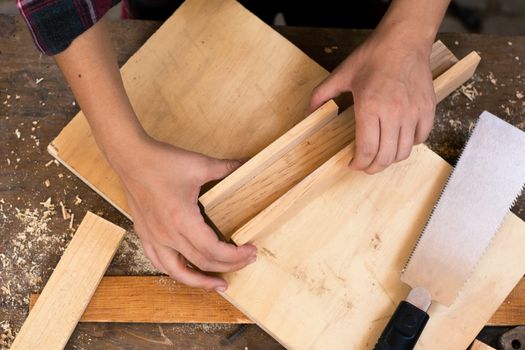
Softwoods come from coniferous trees, which are typically evergreen and include species such as pine, cedar, fir, and spruce. These woods are generally lighter and easier to work with than hardwoods, making them a favored material for many woodworking projects.
Pros of Using Softwoods in Woodworking
- Ease of Workability: Softwoods are generally easier to cut, shape, and sand compared to hardwoods. This characteristic makes them an excellent choice for beginners or for projects where intricate designs are required.
- Cost-Effective: Softwoods tend to be more affordable than hardwoods, as they grow faster and are more widely available. This lower cost allows woodworkers to create larger pieces or multiple items without breaking the bank.
- Lightweight: The light weight of softwoods makes them easier to handle and transport, which is a significant advantage for larger furniture pieces.
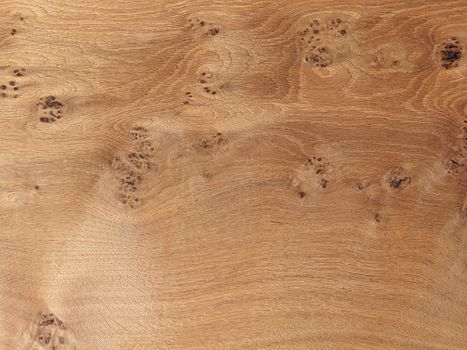
- Natural Aesthetic: Many softwoods, like pine and cedar, possess a beautiful natural grain and color that can enhance the aesthetics of finished furniture. Additionally, softwoods can be easily stained or painted to match various interior styles.
- Availability: Softwoods are readily available in most lumber yards, making them a convenient option for woodworking projects.
Cons of Using Softwoods in Woodworking
- Less Durability: Softwoods are generally softer and less durable than hardwoods, making them more susceptible to dents, scratches, and wear over time. This characteristic may not make them suitable for high-traffic furniture items.
- Susceptibility to Moisture: Certain softwoods, like pine, can warp or swell when exposed to moisture. This limitation can affect the longevity of your projects, especially in humid environments.
- Limited Load-Bearing Capacity: While softwoods can certainly bear weight, they may not be the best choice for heavy furniture like solid tables or cabinets. Consider the intended use of your piece before deciding on softwood.
- Knots and Imperfections: Softwoods often contain knots and other imperfections, which can complicate the finishing process. While some woodworkers appreciate these features for their character, they can also be a drawback for those seeking a flawless finish.
- Pest Vulnerability: Softwoods are more susceptible to pests like termites and wood-boring beetles, which can compromise the integrity of your furniture over time.
Recommended Tools for Working with Softwoods
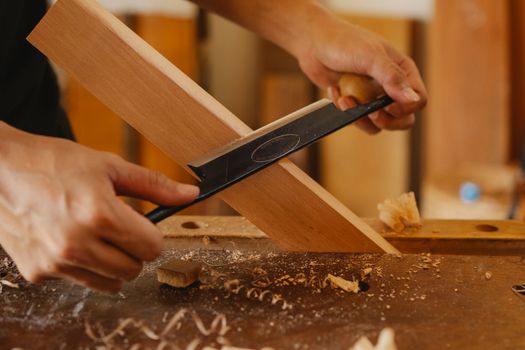
To maximize the benefits of working with softwoods, having the right tools is essential. Below are some recommended tools along with their pros and cons:
1. Circular Saw
A circular saw is an essential tool for cutting softwoods accurately and efficiently.
- Pros: Versatile for various cuts, portable, and relatively affordable.
- Cons: Requires a steady hand for straight cuts, and the blade may need frequent replacement if cutting dense softwoods.
2. Jigsaw
For more intricate designs, a jigsaw is a great tool to have.
- Pros: Great for curves and detailed cuts, easy to use.
- Cons: Can be less precise than other saws, and may require practice to master.
3. Belt Sander
A belt sander is ideal for smoothing out the surfaces of softwoods.
- Pros: Efficiently removes material, speeds up the sanding process.
- Cons: Can leave gouges if not used properly, and may require finer sanders for finishing.
4. Router
A router is essential for creating decorative edges and grooves in your softwood projects.
- Pros: Versatile and allows for intricate designs.
- Cons: Can be intimidating for beginners and requires practice to master.
5. Wood Glue
High-quality wood glue is crucial for assembling softwood furniture.
- Pros: Provides strong bonds, easy to apply.
- Cons: Requires proper clamping and drying time.
For those looking for comprehensive plans to get started on softwood projects, Ted Woodworking offers a vast resource of plans that can help you navigate your woodworking journey.
Conclusion
Softwoods can be an excellent choice for various woodworking projects, especially for beginners looking to create beautiful furniture without the hefty price tag. While there are clear advantages to using softwoods, including ease of workability and cost-effectiveness, it is essential to consider the potential downsides, such as durability and susceptibility to pests. By investing in the right tools and understanding the characteristics of softwoods, you can create stunning and functional pieces that will enhance your living space.
Frequently Asked Questions (FAQs)
- Q: Can I use softwoods for outdoor furniture?
A: Yes, but it is essential to treat them with protective finishes to prevent warping and pest damage. - Q: How do I maintain softwood furniture?
A: Regular cleaning and applying a protective finish can help maintain the integrity and appearance of softwood furniture. - Q: Are softwoods suitable for all types of furniture?
A: While softwoods are great for many projects, they may not be the best choice for heavy-duty items like bookcases or dining tables.
📚 Related Articles
🔨 Want 16,000+ Woodworking Plans?
Get instant access to step-by-step plans with blueprints and cut lists.
Get Instant Access →