Best Woods for Acoustic Instruments: A Comprehensive Review
When it comes to building acoustic instruments, the choice of wood is paramount. The right type of wood can enhance the tonal qualities of your instrument and contribute to its overall sound. However, high-quality woods often come with a hefty price tag. In this article, we will explore some of the best woods for acoustic instruments that won't break the bank, along with budget-friendly tips for sourcing materials.
Understanding Acoustic Properties of Wood
Before diving into specific wood types, it's essential to understand how wood affects sound. Key factors include:
- Density: Denser woods tend to produce a louder sound, while lighter woods can create a softer tone.
- Grain Structure: The uniformity and tightness of the wood grain can influence resonance and sustain.
- Moisture Content: Wood with optimal moisture content provides better sound quality and stability.
Top Budget-Friendly Woods for Acoustic Instruments
Here are some affordable wood options for various types of acoustic instruments:
1. Spruce
Spruce is one of the most popular choices for acoustic guitar tops due to its excellent sound projection and bright tone. If you're on a budget, consider:
- Sitka Spruce: Commonly used for its balanced sound and affordability. It is readily available and relatively inexpensive.
- Engelmann Spruce: Slightly softer than Sitka, it offers a warm sound and is often less expensive.
2. Mahogany
Mahogany is often used for the backs and sides of acoustic guitars and ukuleles. It provides a warm, mellow tone. Budget-friendly options include:
- Sapele: A cost-effective alternative to true mahogany, Sapele offers similar tonal qualities and is widely available.
- Okoume: This African hardwood is lightweight and often used in budget builds, providing a bright sound.
3. Cedar
Cedar is another excellent option for guitar tops, especially for fingerstyle players. It has a rich, warm tone and responds well to lighter playing. Consider:
- Western Red Cedar: Widely used and affordable, it offers a quick response and a warm sound.
- Spanish Cedar: Slightly less expensive, it provides a similar sound profile and is often used for classical guitars.
4. Birch
Birch is a less conventional option but is becoming popular for acoustic drum shells and some string instruments. Its bright tone and strong volume make it a good choice. Look for:
- Yellow Birch: Affordable and readily available, Yellow Birch is versatile and provides a clear sound.
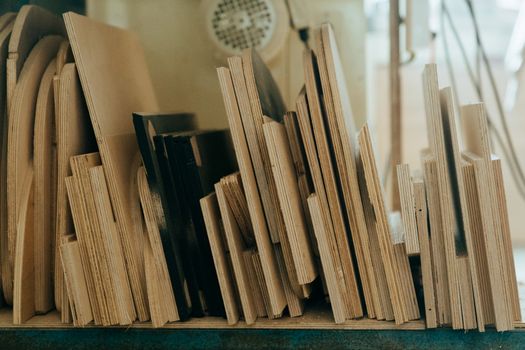
5. Laminate Woods
If you're really looking to save, consider laminate woods. While they may not provide the same sound quality as solid woods, they are durable and cost-effective. Look for:
- Layered Spruce and Mahogany: These laminates often mimic the appearance and some tonal qualities of solid woods at a fraction of the cost.
Cost-Saving Tips for Sourcing Wood
Finding affordable wood for your acoustic instruments can be challenging, but with the right approach, you can save significantly. Here are some tips:
- Local Lumberyards: Visit local lumberyards rather than big-box stores for better pricing and options. They often have surplus wood that can be purchased at a discount.
- Online Suppliers: Websites like Ted Woodworking offer detailed plans and often have resources for purchasing affordable wood.
- Salvaged and Reclaimed Wood: Look for reclaimed wood from old furniture or buildings. This can not only save you money but also give your instrument a unique character.
- Buy in Bulk: If you're planning multiple builds, consider buying larger quantities of wood, which can lower the per-board cost.
Final Thoughts
Choosing the right wood for your acoustic instruments doesn't have to be an expensive venture. By exploring affordable options like spruce, mahogany, cedar, and laminate woods, you can achieve great sound quality without straining your budget. Plus, utilizing some cost-saving tips will help you keep your woodworking projects within financial reach.
FAQs
1. What is the best wood for an acoustic guitar top?
Spruce is often considered the best choice for acoustic guitar tops due to its sound projection and tonal qualities. Sitka spruce is particularly popular for its affordability and balanced sound.
2. Can I use plywood for acoustic instruments?
While plywood may not provide the same acoustic properties as solid woods, it can be used for budget builds, especially for backs and sides. Look for high-quality plywood designed for musical instruments.
3. How do I know if the wood I'm buying is good quality?
Look for wood with tight, straight grain patterns, and avoid any that has visible defects such as knots or warping. If possible, listen to the wood's resonance by tapping it before making a purchase.
📚 Related Articles
🔨 Want 16,000+ Woodworking Plans?
Get instant access to step-by-step plans with blueprints and cut lists.
Get Instant Access →