Introduction
Woodworking can be an incredibly rewarding hobby or profession, but it comes with its own set of risks. Understanding which tools require the most safety precautions is essential for anyone looking to work in this craft, especially beginners. In this guide, we will explore various woodworking tools, highlight safety measures, and provide tips to ensure a safe woodworking environment.
Common Woodworking Tools and Their Safety Precautions
Here is a list of commonly used woodworking tools that require special attention regarding safety:
1. Table Saw
- Use a Guard: Always keep the blade guard in place to protect your hands from the spinning blade.
- Push Stick: Use a push stick for narrow cuts to keep your fingers away from the blade.
- Eye Protection: Wear safety glasses to protect your eyes from flying debris.
- Keep It Clean: Maintain a clean workspace to avoid accidents.
2. Band Saw
- Blade Tension: Adjust the blade tension properly to prevent breakage.
- Use a Throat Plate: Ensure the throat plate is in place to avoid hand contact with the blade.
- Keep Hands Clear: Always keep your hands away from the cutting area.
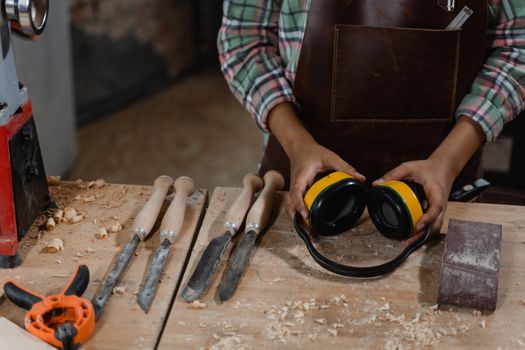
- Wear Ear Protection: Band saws can be loud, so wear earplugs if necessary.
3. Router
- Router Table: Use a router table for added stability and control.
- Bit Guard: Ensure the bit guard is in place to prevent accidents.
- Secure Material: Clamp down your workpiece to prevent it from moving.
- Wear Gloves: Use gloves to protect your hands from sharp bits.
4. Circular Saw
- Blade Guard: Always use the blade guard to cover the blade when not in use.
- Proper Stance: Stand in a stable position while cutting to maintain balance.
- Cutting Line: Mark your cutting line clearly to avoid mistakes.
- Dust Mask: Wear a dust mask to protect against sawdust inhalation.
5. Jigsaw
- Blade Type: Use the correct blade for the material you are cutting.
- Secure Workpiece: Ensure your workpiece is secured to prevent slipping.
- Hand Position: Keep your hands clear of the cutting path.
- Personal Protection: Always wear safety glasses.
General Safety Tips for Woodworking
In addition to tool-specific precautions, here are some general safety tips that every woodworker should keep in mind:
- Wear Appropriate Clothing: Avoid loose-fitting clothes and long sleeves that can get caught in machines.
- Use Personal Protective Equipment (PPE): Always wear safety glasses, gloves, and a dust mask when necessary.
- Keep a First Aid Kit: Have a well-stocked first aid kit nearby in case of injury.
- Know Your Tools: Familiarize yourself with the operation and safety features of each tool before use.
- Stay Focused: Avoid distractions while working to maintain concentration.
- Organize Your Workspace: Keep your workspace tidy to prevent accidents.
Using Plans for Safety and Accuracy
For beginners, using detailed woodworking plans can enhance both safety and accuracy. Resources like Ted Woodworking provide comprehensive plans that guide you step-by-step through various projects while emphasizing safety. Having a clear plan helps minimize mistakes and the likelihood of accidents.
Conclusion
Understanding which woodworking tools require the most safety precautions is crucial for any woodworker, especially beginners. By implementing the safety measures discussed and using reliable resources like Ted Woodworking, you can create a safer woodworking environment and enjoy your crafting experience without unnecessary risks.
FAQ
What should I wear while woodworking?
Wear close-fitting clothing, safety glasses, gloves, and a dust mask when necessary. Avoid loose clothing that can get caught in tools.
How can I improve my woodworking safety?
Always follow tool-specific safety guidelines, keep a clean workspace, and educate yourself about the tools you are using.
Do I need a first aid kit for woodworking?
Yes, having a first aid kit nearby is essential in case of minor injuries or accidents.
📚 Related Articles
🔨 Want 16,000+ Woodworking Plans?
Get instant access to step-by-step plans with blueprints and cut lists.
Get Instant Access →