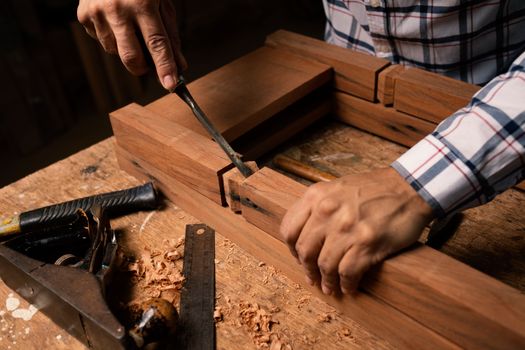
Understanding Fire Risks in Your Woodworking Shop
Woodworking is a rewarding and creative hobby, but it also comes with its own set of risks, particularly when it comes to fire hazards. From sawdust accumulation to flammable finishes, every woodworking shop has elements that can ignite and fuel a fire. Therefore, investing in a fire extinguisher is not just a good idea; it is an essential safety measure.
Why You Need a Fire Extinguisher
Woodworking involves various tools and materials that can potentially cause fires. Here are some common fire hazards you might find in your shop:
- Sawdust Build-Up: Sawdust can easily ignite if it comes in contact with a spark from a tool.
- Flammable Finishes: Many wood finishes are highly flammable and can catch fire if not stored properly.
- Electrical Tools: Overheating tools or faulty wiring can also lead to electrical fires.
Having a fire extinguisher on hand can significantly reduce the risk of a small fire escalating into a catastrophic event. But not all fire extinguishers are created equal. Let's take a look at the types available and their pros and cons.
Types of Fire Extinguishers
1. Class A Fire Extinguishers
These extinguishers are designed to fight fires that involve ordinary combustible materials such as wood, paper, and cloth.
Pros:- Effective for wood fires common in woodworking shops.
- Easy to use with a straightforward operation process.
- Not effective against electrical fires.
- Can leave a residue that may affect your tools.
2. Class B Fire Extinguishers
Class B extinguishers are designed for flammable liquids, including paints and finishes.
Pros:- Essential for dealing with fires caused by finishes and solvents.
- Quickly suppresses fires involving flammable liquids.
- Not suitable for wood or fabric fires.
- Requires specific training to use effectively.
3. Class C Fire Extinguishers
These extinguishers are used for electrical fires, making them vital in a workshop with numerous power tools.
Pros:- Safe for use on electrical fires.
- Prevents electrical shock when used correctly.
- Not effective against fires involving ordinary combustibles.
- Usually more expensive than other types.
4. Multi-Class Fire Extinguishers (ABC)
These extinguishers can tackle Class A, B, and C fires, making them versatile for woodworking shops.
Pros:- All-in-one solution for various fire types.
- Great for shops with a mix of fire hazards.
- Heavier and bulkier than single-class extinguishers.
- May be more expensive upfront.
Recommended Fire Extinguishers
1. Kidde 21007265 Pro 210 Fire Extinguisher
This ABC fire extinguisher is a reliable choice for any woodworking shop.
Pros:- Class A, B, and C rated.
- Easy-to-read pressure gauge.
- Durable metal construction.
- Can be slightly heavy for some users.
- Higher price point compared to basic models.
2. First Alert FE3A40GR Fire Extinguisher
This is another excellent choice that offers good performance and is rated for A, B, and C class fires.
Pros:- Affordable and lightweight.
- Easy to use with a squeeze handle.
- Plastic components can feel less durable.
- Limited discharge time compared to larger extinguishers.
Other Safety Tips for Your Woodworking Shop
While a fire extinguisher is a crucial piece of safety equipment, it is not the only measure you should take. Here are some additional tips to enhance safety in your woodworking shop:
- Keep your workspace clean and free of sawdust.
- Store flammable materials in a designated fireproof cabinet.
- Regularly inspect electrical tools for wear and damage.
- Have a fire blanket on hand for small fires.
Additionally, consider using woodworking plans from Ted Woodworking to ensure you are building safely and efficiently. These plans often include safety tips that can help minimize risks in your shop.
Conclusion
In conclusion, investing in a fire extinguisher for your woodworking shop is not just a consideration; it is a responsibility. The risks associated with woodworking can be mitigated with proper safety equipment, and a fire extinguisher is a critical part of that arsenal. By understanding the different types of extinguishers and selecting the right one for your needs, you can create a safer working environment for yourself and others.
FAQ
1. How often should I check my fire extinguisher?
You should inspect your fire extinguisher monthly to ensure it is charged and ready to use. Additionally, have it professionally serviced every 1-2 years.
2. Can I use a fire extinguisher on an electrical fire?
Yes, but only if it is rated for Class C fires. Always ensure you are using the correct type of extinguisher for the fire you are facing.
3. What should I do if my fire extinguisher is discharged?
If your fire extinguisher has been discharged, it should be replaced immediately. Do not attempt to refill or recharge it yourself unless you are trained to do so.
📚 Related Articles
🔨 Want 16,000+ Woodworking Plans?
Get instant access to step-by-step plans with blueprints and cut lists.
Get Instant Access →