Introduction
Woodworking is a rewarding and fulfilling hobby, but it also comes with its share of risks. Understanding which tools require the most safety precautions is essential for any beginner woodworker. In this guide, we will identify these tools and provide easy-to-follow safety tips to help you work safely and confidently in your workshop.
Essential Woodworking Tools
Before diving into the tools that require the most safety precautions, it’s important to familiarize yourself with the basic tools every woodworker should have:
- Hand saws
- Power drills
- Sanders
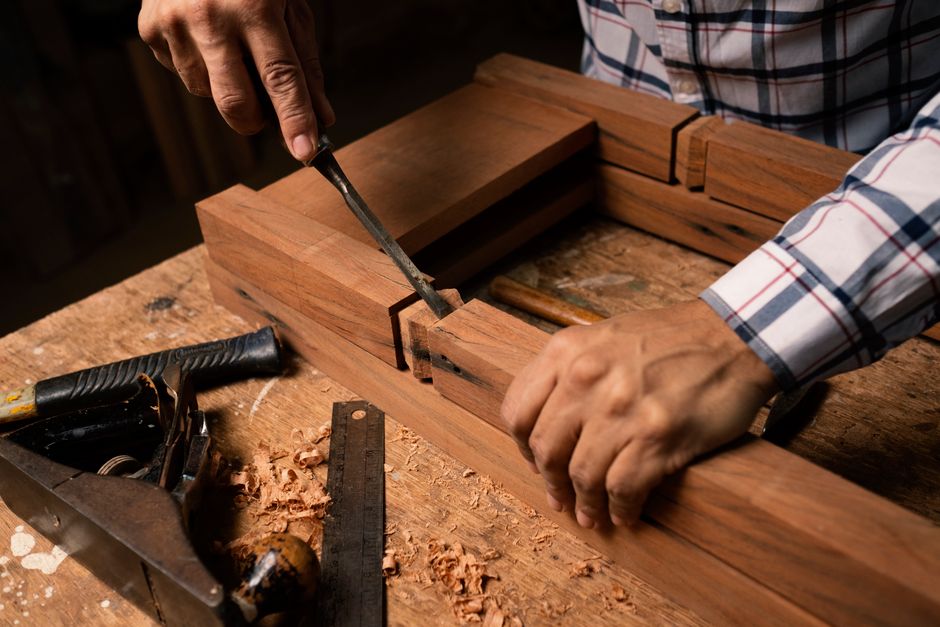
- Chisels
- Table saws
- Router
- Jigsaws
Tools Requiring Extra Safety Precautions
While all woodworking tools require some level of safety awareness, certain tools pose greater risks. Here are the top tools that require extra safety precautions:
1. Table Saws
Table saws are incredibly versatile and can make precise cuts, but they are also one of the most dangerous tools in the workshop. Here are some safety tips:
- Use a blade guard: Always use the blade guard that comes with the saw.
- Keep hands clear: Use push sticks or push blocks to keep your hands at a safe distance from the blade.
- Check the blade: Ensure the blade is sharp and properly aligned before use.
- Wear protective gear: Safety glasses and hearing protection are essential.
2. Band Saws
Band saws are great for cutting curves and resawing lumber. However, they can also cause serious injuries if not used correctly. Follow these safety guidelines:
- Adjust blade tension: Proper blade tension is crucial for safe operation.
- Use a blade guard: Always adjust the guard to just above the material being cut.
- Keep the area clear: Ensure that the area around the saw is free of clutter to prevent accidents.
- Wear gloves: Use cut-resistant gloves when handling materials.
3. Router
Routers are valuable for shaping edges and hollowing out areas of wood. However, they can also be tricky to handle. Take these precautions:
- Secure your workpiece: Always clamp your wood securely to prevent movement.
- Use the right bit: Select the appropriate bit for the task to avoid kickback.
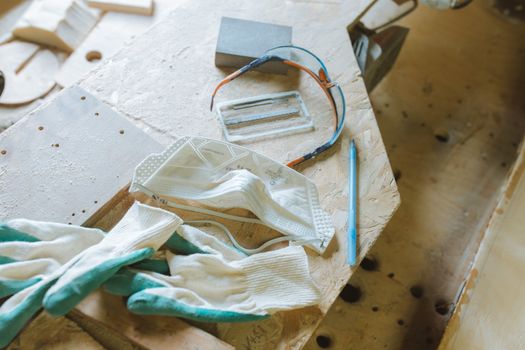
- Wear protective gear: Always wear safety glasses and a dust mask.
- Keep your hands dry: Moisture can lead to slips, so keep your hands dry while operating the router.
4. Jigsaws
Jigsaws are ideal for intricate cuts, but they can be dangerous if not handled properly. Here are some safety tips:
- Secure the material: Always secure your workpiece to prevent it from moving.
- Use a steady hand: Keep a firm grip and guide the saw slowly to maintain control.
- Wear eye protection: Flying debris can cause eye injuries, so always wear safety glasses.
- Check the blade: Ensure the blade is sharp and properly installed before use.
5. Power Drills
While power drills are common in many workshops, they still require careful handling. Follow these tips:
- Secure the workpiece: Always clamp your material down to prevent it from spinning.
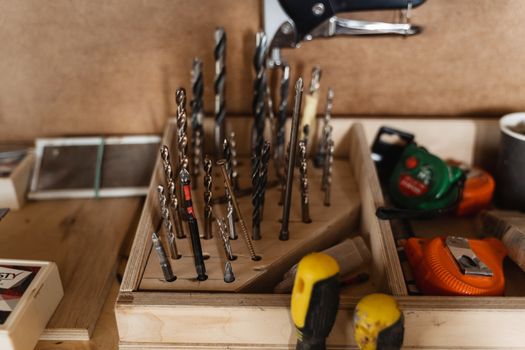
- Use the right drill bit: Selecting the right bit can help prevent breakage and injury.
- Wear safety glasses: Protect your eyes from flying debris or shavings.
- Be cautious of cords: Keep cords out of the way to avoid tripping hazards.
General Safety Tips for Woodworking
In addition to the specific precautions for each tool, here are some general safety tips to keep in mind:
- Wear appropriate clothing: Avoid loose clothing and wear closed-toe shoes.
- Keep your workspace organized: A tidy workspace reduces the risk of accidents.
- Read the manual: Always read the manufacturer’s manual for specific safety instructions.
- Use plans for guidance: Resources like Ted Woodworking can provide helpful plans and project ideas.
Conclusion
Woodworking can be a fulfilling hobby or profession, but safety should always be your top priority. By understanding which tools require the most safety precautions and following the provided tips, you can enjoy your woodworking projects while minimizing risks. Remember, a safe woodworker is a happy woodworker!
FAQ
1. What safety gear should I always wear while woodworking?
Always wear safety glasses, ear protection, and a dust mask to protect yourself from debris, noise, and dust.
2. How can I prevent kickback when using a table saw?
Use a blade guard, keep your hands clear of the blade with push sticks, and ensure your material is properly secured.
3. Are there any specific safety tips for beginners in woodworking?
Start with basic tools, read manuals, take your time, and always ask for help or advice when unsure about any procedure.
📚 Related Articles
🔨 Want 16,000+ Woodworking Plans?
Get instant access to step-by-step plans with blueprints and cut lists.
Get Instant Access →