How to Keep Your Woodworking Area Free from Tripping Hazards
When it comes to woodworking, safety should always be a top priority. One of the most overlooked aspects of a safe woodworking environment is the presence of tripping hazards. With all the tools, materials, and projects in progress, it’s easy to create a cluttered space that can lead to accidents. This article will guide you through common mistakes to avoid and provide troubleshooting tips to keep your woodworking area safe and efficient.
Understanding Tripping Hazards in Woodworking
Tripping hazards can come in many forms within a woodworking space. They can include:
- Loose cords and cables
- Wood scraps and debris
- Tools left out on the floor
- Inadequate lighting
- Uneven flooring or surfaces
- Improperly stored materials
Each of these hazards can lead to serious accidents, so it's crucial to be proactive in maintaining a clean and organized workspace.
Common Mistakes to Avoid
To keep your woodworking area free from tripping hazards, it's essential to recognize and avoid common mistakes:
1. Ignoring Floor Space Organization
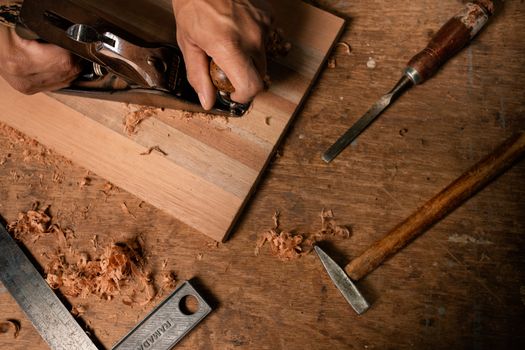
One of the most significant contributors to tripping hazards is clutter on the floor. Wood shavings, offcuts, and tools scattered around can create an unsafe environment.
Tip: Invest in a proper waste disposal system, such as a dust collector or trash bin, and make it a habit to clean up regularly. A designated area for scraps can help keep the floor clear.2. Leaving Cords and Cables Exposed
Power tool cords and extension cables can easily become tripping hazards if left lying across walkways.
Tip: Use cord management clips or cable covers to secure cords along walls or floors. Consider using retractable cords or tools with built-in cord storage to minimize exposure.3. Improperly Storing Tools
Leaving tools out in the open not only creates clutter but also increases the risk of tripping.
Tip: Designate specific storage areas for tools, whether it’s a toolbox, wall-mounted pegboard, or dedicated shelves. After each use, return tools to their proper places.4. Poor Lighting Conditions
Dark or poorly lit areas can obscure potential hazards, making it easy to trip over unseen obstacles.
Tip: Ensure your woodworking area is well-lit with bright, adequate lighting. Consider using task lighting over workstations and motion-sensor lights to ensure visibility.5. Neglecting Floor Maintenance
Uneven or slippery floors can significantly increase the risk of tripping.
Tip: Regularly inspect your flooring for signs of wear or damage. If you're working on a concrete slab, consider adding rubber mats in high-traffic areas for better traction.Implementing Solutions
After identifying the common mistakes, the next step is to implement solutions to minimize tripping hazards effectively. Here are several strategies:
- Establish a Clean-Up Routine: Schedule regular clean-up sessions to keep the workspace tidy.
- Use Storage Solutions: Utilize shelves, cabinets, and toolboxes that fit your space and needs.
- Create Clear Walkways: Designate specific paths for walking through your workshop, ensuring they are kept clear at all times.
- Mark Hazardous Areas: Use tape or paint to outline potential hazards or areas needing caution.
- Educate Helpers: If you have others working in your space, ensure they understand the importance of maintaining a clean and safe environment.
- Consider Professional Plans: If you’re unsure how to organize your space, resources like Ted Woodworking offer plans that can guide you in creating a safe and efficient layout.
Regular Safety Audits
Conducting regular safety audits can help you maintain a hazard-free environment. Here’s how:
- Check for clutter and clean up any debris.
- Inspect power cords for damage.
- Review your lighting and add fixtures as needed.
- Look for any signs of wear on flooring.
- Ask for feedback from anyone who uses the space about potential hazards they notice.
By routinely assessing your workspace, you can catch potential hazards before they lead to accidents.
Final Thoughts
A safe woodworking environment is crucial for both productivity and well-being. By avoiding common mistakes and implementing effective solutions, you can significantly reduce the risk of tripping hazards in your workshop. Remember that safety is an ongoing process, and staying vigilant will help you enjoy your woodworking projects for years to come.
FAQ
What are the most common tripping hazards in a woodworking area?
The most common tripping hazards include loose cords, wood scraps, tools left on the floor, and inadequate lighting.
How often should I clean my woodworking area?
You should aim to clean your woodworking area after every project and at the end of each workday to maintain a safe environment.
Are there specific storage solutions recommended for woodworking tools?
Yes, using toolboxes, pegboards, and shelving units can help organize tools and keep them out of walkways, reducing tripping hazards.
📚 Related Articles
🔨 Want 16,000+ Woodworking Plans?
Get instant access to step-by-step plans with blueprints and cut lists.
Get Instant Access →