Introduction
Woodworking is a rewarding hobby and profession, but it comes with its own set of risks. Following safety regulations and best practices is crucial to preventing accidents and injuries. In this article, we will delve into the essential woodworking safety regulations, highlight common mistakes woodworkers make, and provide troubleshooting tips to help you maintain a safe working environment.
Understanding Woodworking Safety Regulations
Before you start any woodworking project, it is vital to understand the safety regulations that apply to your workspace. These regulations are designed to protect you and those around you. Here are some key areas to focus on:
Personal Protective Equipment (PPE)
- Eye Protection: Always wear safety goggles or glasses to protect your eyes from flying debris.
- Hearing Protection: Use earplugs or earmuffs when operating loud machinery to prevent hearing damage.
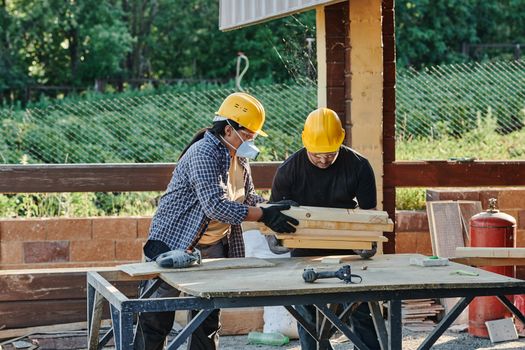
- Respirators: Wear a dust mask or respirator to avoid inhaling harmful dust particles.
- Clothing: Avoid loose-fitting clothes that can snag on machinery. Wear sturdy shoes and gloves as necessary.
Tool Safety
Each tool comes with its own set of safety guidelines. Familiarize yourself with the specific requirements for the tools you use:
- Table Saws: Always use blade guards, keep hands clear of the blade, and utilize a push stick for smaller pieces.
- Routers: Secure the workpiece and keep hands away from the bit while in operation.
- Drills: Ensure the drill bit is secure and avoid wearing loose clothing or jewelry that could get caught.
Workspace Safety
Your workspace should promote safety and efficiency. Consider these tips:
- Clutter-Free Zone: Keep your work area organized and free of unnecessary items that could cause tripping hazards.
- Lighting: Ensure your workspace is well-lit to improve visibility and reduce the risk of accidents.
- Ventilation: Maintain good airflow to minimize harmful dust accumulation and fumes.
Common Mistakes to Avoid
Even seasoned woodworkers can fall into unsafe habits. Here are some common mistakes to avoid:
Neglecting Equipment Maintenance
Forgetting to maintain your tools can lead to malfunctions and accidents. Regularly check and service your machinery to ensure optimal performance. Problems like dull blades can lead to kickback, while poorly maintained electrical tools may pose fire hazards.
Ignoring Safety Guards
Many woodworkers remove safety guards for convenience. This is a dangerous practice. Always keep safety guards in place and utilize them as intended. If they hinder your work, consider adjusting your technique rather than compromising safety.
Rushing Through Projects
In the rush to complete a project, you may overlook safety precautions. Take your time and focus on each step, ensuring that you follow all safety protocols. If you feel fatigued or distracted, take a break to recharge.
Inadequate Training
Improper use of tools can lead to serious injuries. Ensure you are adequately trained on each piece of equipment before using it. Attend workshops, read manuals, and consult resources like Ted Woodworking for comprehensive plans and guidance.
Troubleshooting Tips and Fixes
If you encounter issues while woodworking, here are some troubleshooting tips:
1. Tool Malfunctions
- Problem: The saw blade is not cutting properly.
- Fix: Check for dull blades and replace them as necessary. Ensure the blade is aligned correctly and free of debris.
2. Dust Accumulation
- Problem: Excessive dust in the workspace.
- Fix: Use a dust collection system and clean your workspace regularly to minimize hazards.
3. Inconsistent Cuts
- Problem: Cuts are uneven or inaccurate.
- Fix: Ensure your workpiece is secured properly, and double-check your measurements before cutting.
Conclusion
Understanding and following woodworking safety regulations is a vital part of any woodworking project. By being aware of the common mistakes woodworkers make, along with troubleshooting tips, you can maintain a safe and efficient workspace. Always prioritize safety and seek resources like Ted Woodworking to enhance your woodworking knowledge and skills.
FAQ
What should I always wear when woodworking?
Always wear safety goggles, hearing protection, and a dust mask. Proper clothing, including sturdy shoes and gloves, is also essential.
How can I make my workspace safer?
Keep your workspace organized, well-lit, and ventilated. Regularly maintain your tools and ensure proper storage for hazardous materials.
Where can I find woodworking plans that emphasize safety?
Resources like Ted Woodworking offer comprehensive plans that include safety guidelines and best practices for various woodworking projects.
📚 Related Articles
🔨 Want 16,000+ Woodworking Plans?
Get instant access to step-by-step plans with blueprints and cut lists.
Get Instant Access →