Understanding Clamping Techniques in Woodworking
Woodworking is a rewarding and creative endeavor, but it comes with its own set of challenges and safety risks. One of the most crucial aspects of woodworking that often goes unnoticed is the importance of clamping techniques. Proper clamping not only ensures the accuracy of your work but also significantly enhances safety while working with tools and materials.
Why Clamping Is Essential
Clamping your workpieces securely is vital for several reasons:
- Stability: Clamps provide stability to your workpieces, allowing you to cut, drill, or shape the wood without it moving unexpectedly.
- Precision: When your material is firmly held in place, you can achieve more precise cuts and joints, which is essential for the quality of your final project.
- Safety: A stable workpiece reduces the risk of accidents. Unstable wood can slip or move, leading to potential injuries.
- Quality of Work: Properly clamped pieces result in better glue joints and finishes, leading to overall improved craftsmanship.
Basic Clamping Techniques
Now that we understand the importance of clamping, let's explore some basic techniques you can use in your woodworking projects.
1. Choosing the Right Clamps
There are various types of clamps available, and choosing the right one for your project is crucial. Here are a few common types:
- Bar Clamps: Great for larger projects, providing a strong hold across wide surfaces.
- Pipe Clamps: These are adjustable and can be used for both small and large projects by using different lengths of pipe.
- Spring Clamps: Ideal for quick, light-duty holds, perfect for small projects.
- Corner Clamps: Excellent for assembling frames and ensuring right angles.
2. Preparing Your Work Area
Before starting, ensure your workspace is clean and organized. A clutter-free area reduces the risk of accidents. Lay out all your tools and materials, including clamps, so that everything is within reach.
3. Securing the Workpiece
Follow these simple steps to secure your workpiece:
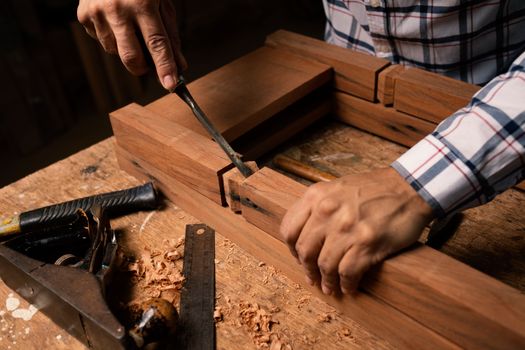
- Position the Workpiece: Place your wood on a stable surface, such as a workbench or sawhorses.
- Align the Clamps: Depending on your project, position the clamps at appropriate intervals along the edges of the workpiece.
- Tighten Gradually: Begin tightening your clamps slowly. This allows you to adjust the position of the wood, ensuring it remains flush and aligned.
- Check for Movement: Once tightened, give the workpiece a slight push to ensure it does not move. Make any necessary adjustments before proceeding with your work.
4. Using Multiple Clamps
For larger or more complex projects, using multiple clamps can provide extra stability. Here’s how:
- Even Distribution: Distribute clamps evenly to avoid any warping or bending of the wood.
- Layering: If gluing panels together, apply clamps to the entire surface area to ensure a strong bond.
- Cross-Clamping: For added strength, use cross-clamping techniques, especially when working with frames or boxes.
5. Safety Precautions
While clamping is essential for safety, there are additional precautions to consider:
- Wear Safety Gear: Always use safety goggles and gloves when working with tools.
- Inspect Your Clamps: Regularly check your clamps for damage or wear. A broken clamp can lead to accidents.
- Keep Hands Clear: Ensure your hands are clear of the clamp’s path while tightening.
- Use a Helper: For larger projects, having a second pair of hands can help with positioning and safety.
Resources for Beginners
If you're new to woodworking and looking for plans and guidance, consider checking out Ted Woodworking. This resource offers a variety of plans that can help you practice your clamping techniques while creating stunning furniture pieces.
Conclusion
Mastering clamping techniques is essential for safety and precision in woodworking. By selecting the right clamps, preparing your workspace, and following safety precautions, you can enhance both your skills and the quality of your projects. Remember, safety first leads to better craftsmanship and enjoyment in your woodworking journey!
FAQ
1. What types of clamps are best for a beginner?
For beginners, spring clamps and bar clamps are great options due to their ease of use and versatility.
2. How tight should I clamp my workpiece?
Clamp tightly enough to hold the workpiece in place without warping or damaging it. Check for movement before proceeding.
3. Can I use homemade clamps?
Yes, homemade clamps can work, but ensure they provide adequate stability and strength for your projects.
📚 Related Articles
🔨 Want 16,000+ Woodworking Plans?
Get instant access to step-by-step plans with blueprints and cut lists.
Get Instant Access →