Understanding the Importance of Table Saw Safety
Table saws are some of the most versatile tools in a woodworker's arsenal, but they can also be among the most dangerous. The potential for kickback, blade contact, and other hazards makes understanding safety protocols essential. One of the simplest yet most effective safety tools at your disposal is a push stick. But when should you use one? In this article, we will explore the various scenarios where a push stick is not just recommended but essential for safe table saw operation.
What is a Push Stick?
A push stick is a simple tool designed to help guide wooden pieces through the saw without putting your hands too close to the blade. Typically made from wood or plastic, push sticks come in various shapes and sizes, but their primary function remains the same: to keep your hands safe while allowing you to maintain control over your workpiece.
Why You Should Use a Push Stick
- Enhanced Safety: The primary reason for using a push stick is to keep your hands away from the blade. This significantly reduces the risk of accidental cuts.
- Improved Control: A push stick provides better control over your workpiece, especially when making narrow cuts.
- Consistency: Using a push stick can lead to more consistent cuts, as it helps maintain pressure on the material while it passes through the blade.
When to Use a Push Stick
Here are some specific situations when you should always reach for a push stick:
- Narrow Cuts: Whenever you are making cuts that are less than 6 inches wide, a push stick is a must. Your hands are too close to the blade, and the risk of kickback increases.
- Repetitive Cuts: For repetitive cuts, especially when working with thin strips, a push stick can help maintain the same pressure and angle each time.
- Final Passes: During the final pass of a cut, when the material is almost through, use a push stick to avoid getting your hands too close.
- Crosscuts: While making crosscuts, particularly with larger boards, a push stick can help guide the material safely.
- When Working Alone: If you are working solo, a push stick can be invaluable. It allows you to maintain full concentration on the cut without risking your hands.
Types of Push Sticks
There are various types of push sticks available, each with its own set of pros and cons:
1. Simple Wooden Push Stick
Pros:
- Cost-effective and easy to make.
- Customizable to fit your specific needs.
- Can wear out over time.
- May not provide the best grip if not designed thoughtfully.
2. Plastic Push Stick
Pros:
- Durable and often features built-in grips.
- Less likely to splinter compared to wood.
- Can be more expensive than DIY options.
- May not be as customizable.
3. Push Block
Pros:
- Provides excellent pressure and control over the workpiece.
- Ideal for larger pieces of wood.
- Can be cumbersome for tight spaces.
- More complex to make or find.
Additional Safety Tips
While using a push stick is crucial for safety, it's also important to adopt other safety practices:
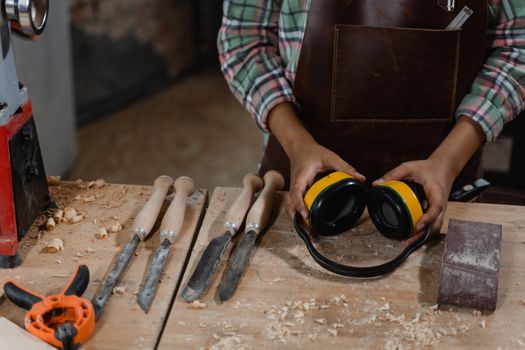
- Always wear appropriate safety gear, including eye protection and hearing protection.
- Keep the blade sharp and well-maintained to ensure clean cuts and reduce the risk of kickback.
- Familiarize yourself with your table saw's manual and adhere to all safety guidelines provided by the manufacturer.
- If you're unsure about how to make a specific cut, consider consulting resources like Ted Woodworking for detailed plans and instructions.
Conclusion
Using a push stick is one of the simplest yet most effective ways to enhance your safety while using a table saw. By understanding when to use a push stick and selecting the right type for your needs, you can significantly reduce the risk of accidents. Remember, safety should always be your top priority in woodworking. Always respect the power of your tools, and never hesitate to use safety equipment like push sticks.
FAQ
1. Can I make my own push stick?
Yes, making your own push stick is simple and can be tailored to your specific needs. Just ensure it is sturdy and provides a good grip.
2. What materials are best for push sticks?
Wood and plastic are the most common materials. Each has pros and cons, but both can be effective if designed properly.
3. How often should I replace my push stick?
Inspect your push stick regularly for wear and tear. Replace it if it shows significant damage or if it no longer provides a secure grip.
📚 Related Articles
🔨 Want 16,000+ Woodworking Plans?
Get instant access to step-by-step plans with blueprints and cut lists.
Get Instant Access →