How to Prevent Injuries While Using Power Tools in Woodworking
Woodworking is a rewarding and creative hobby, but it comes with its own set of risks, especially when power tools are involved. To ensure a safe and enjoyable woodworking experience, it is crucial to follow safety protocols and be aware of common mistakes that can lead to injuries. In this article, we will explore how to prevent injuries while using power tools in woodworking, highlighting common pitfalls and providing troubleshooting tips.
Understanding the Risks
Power tools are incredibly useful in woodworking, but they can also be dangerous if not handled properly. The most common types of injuries include:
- Cuts and lacerations: Often caused by improper handling of saws or blades.
- Electrical shocks: Resulting from using tools with frayed cords or improper grounding.
- Noise-induced hearing loss: From prolonged exposure to loud tools without hearing protection.
- Eye injuries: Caused by flying debris during cutting or sanding operations.
Common Mistakes and How to Avoid Them
By recognizing and addressing common mistakes, you can significantly reduce the risk of injury. Here are some of the most frequent errors and how to troubleshoot them.
1. Skipping Personal Protective Equipment (PPE)
One of the biggest mistakes is neglecting to wear appropriate personal protective equipment. This includes:
- Safety goggles: Protect your eyes from flying debris.
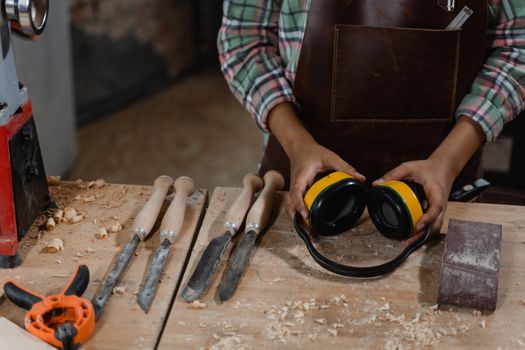
- Ear protection: Use earmuffs or earplugs to safeguard your hearing.
- Dust masks: Prevent inhalation of wood dust and other particles.
- Gloves: Use gloves that provide grip but allow for dexterity.
Tip: Make it a habit to put on your PPE before starting any project. Keep your gear easily accessible to encourage consistent use.
2. Neglecting Tool Maintenance
Using poorly maintained tools can lead to accidents. Common maintenance oversights include:
- Using dull blades, which require more force and can slip.
- Failing to check for loose components, which can lead to tool malfunction.
- Not cleaning tools regularly, which can impair their function.
Tip: Schedule regular maintenance checks for your tools. Keep them clean, sharp, and in good working condition. A resource like Ted Woodworking offers detailed plans that can help guide you on the appropriate maintenance for various tools.
3. Improper Setup and Positioning
Many injuries occur due to improper work setup. Here are some common mistakes:
- Not securing the workpiece properly, leading to movement while cutting.
- Standing in the line of the blade or cutter, increasing the risk of injury.
- Using tools in awkward positions, which can lead to slips and loss of control.
Tip: Always secure your workpiece with clamps. Ensure you have a stable and comfortable stance while operating tools. Plan your workspace layout to minimize awkward movements.
4. Distractions and Multitasking
Being distracted or trying to multitask while using power tools is a recipe for disaster. Common distractions include:
- Conversations with others in the shop.
- Music or videos playing in the background.
- Phone notifications or calls.
Tip: Create a focused work environment. Silence your phone and reduce noise distractions when operating power tools. If someone enters your workspace, pause your work until you can safely resume.
5. Ignoring Manufacturer Instructions
Every power tool comes with its own set of instructions and safety guidelines. Ignoring these can lead to misuse and accidents. Common oversights include:
- Not reading the manual before use.
- Failing to understand the tool’s safety features.
- Using the tool for unintended purposes.
Tip: Take the time to read and understand the manual for each tool you use. Familiarize yourself with its features and safety protocols before starting your project.
Emergency Preparedness
Despite all precautions, accidents can still happen. Being prepared can make a significant difference:
- Keep a first aid kit close at hand and know how to use its contents.
- Have an emergency contact list readily available.
- Familiarize yourself with basic first aid procedures for cuts, burns, and electrical shocks.
Tip: Conduct regular safety drills with family members or shop partners to ensure everyone knows how to respond in case of an emergency.
Conclusion
Woodworking with power tools can be a safe and enjoyable experience if you take the necessary precautions to prevent injuries. By avoiding common mistakes, maintaining your tools, and preparing for emergencies, you can create a safer working environment. Remember, safety should always be your first priority when working with power tools.
FAQ
1. What is the best way to protect my eyes while woodworking?
Always wear safety goggles or a face shield to protect your eyes from flying debris and dust.
2. How often should I maintain my power tools?
Regular maintenance checks should be done before and after each major project, and tools should be cleaned and sharpened as needed.
3. Can I use gloves when operating power tools?
Yes, but make sure they allow for a good grip and do not pose a risk of getting caught in moving parts.
📚 Related Articles
🔨 Want 16,000+ Woodworking Plans?
Get instant access to step-by-step plans with blueprints and cut lists.
Get Instant Access →