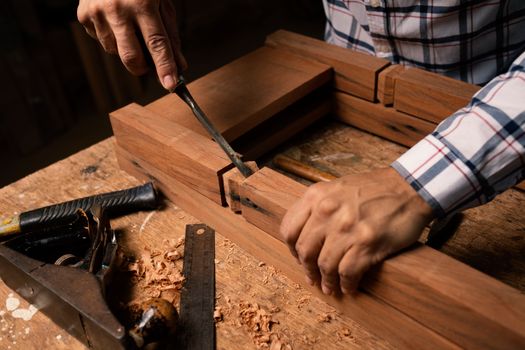
Introduction to Woodworking Safety
Woodworking can be a fulfilling and rewarding hobby, but it also comes with inherent risks. As a seasoned woodworker, it is imperative to educate new woodworkers on the importance of safety practices. In this article, we will explore various safety tips, recommend essential tools, and provide resources like Ted Woodworking for comprehensive plans.
Understanding the Risks
Before diving into safety practices, it's crucial to understand the risks involved in woodworking. These can range from minor injuries, such as splinters and cuts, to more severe accidents involving power tools. Educating new woodworkers about these risks is the first step in fostering a culture of safety.
Essential Safety Practices
- Wear Appropriate Personal Protective Equipment (PPE): Always wear safety goggles, hearing protection, and a dust mask when working with power tools.
- Keep Your Workspace Organized: A clean and organized workspace minimizes the risk of accidents.
- Understand Your Tools: New woodworkers should familiarize themselves with the tools they will be using, including how to operate and maintain them safely.
- Follow Manufacturer Instructions: Always read and follow the instructions provided by the tool manufacturers.
- Be Mindful of Your Surroundings: Ensure that there are no distractions or obstructions in your workspace.
Recommended Tools for Safety
Equipping new woodworkers with the right tools not only enhances their woodworking experience but also safeguards them against accidents. Below are some essential safety tools to consider:
1. Safety Goggles
Pros:
- Protects eyes from flying debris and dust.
- Available in various styles, including prescription options.
Cons:
- Can fog up, limiting visibility.
- May feel uncomfortable if worn for extended periods.
2. Hearing Protection
Pros:
- Reduces noise exposure from loud power tools.
- Many options available, including earmuffs and earplugs.
Cons:
- Some styles may be bulky, making them uncomfortable.
- May limit ability to hear surrounding sounds, which can be a safety concern.
3. Dust Masks or Respirators
Pros:
- Protects lungs from fine dust particles.
- Essential for those with allergies or respiratory issues.
Cons:
- Can be uncomfortable to wear for long periods.
- Must be properly fitted to be effective.
4. First Aid Kit
Pros:
- Essential for treating minor injuries quickly.
- Can include items tailored for woodworking injuries.
Cons:
- Needs to be regularly checked and restocked.
- Some kits may lack specific tools for woodworking injuries.
5. Push Sticks and Push Blocks
Pros:
- Helps in pushing wood through saws safely.
- Reduces the risk of fingers getting too close to blades.
Cons:
- New woodworkers may forget to use them.
- Must be made from durable materials to be effective.
Utilizing Plans and Resources
One of the best ways to educate new woodworkers about safety is through well-structured plans. Resources like Ted Woodworking offer comprehensive woodworking plans that include safety tips specific to each project. This not only helps beginners understand how to approach their projects but reinforces the importance of safety at every step.
Creating a Safety Culture
Fostering a culture of safety among new woodworkers involves continuous education and practice. Encourage them to:
- Attend workshops or classes focused on woodworking safety.
- Participate in discussions about safety practices with experienced woodworkers.
- Regularly review and update their knowledge on safety protocols.
Conclusion
In conclusion, teaching new woodworkers about safety practices is crucial for their well-being and the quality of their work. By providing them with the right tools, resources like Ted Woodworking, and a supportive environment, we can foster a safe and enjoyable woodworking experience for everyone involved.
FAQ
1. What are the most common injuries in woodworking?
The most common injuries include cuts, splinters, and eye injuries from flying debris. Proper safety measures significantly reduce these risks.
2. How can I maintain my woodworking tools for safety?
Regularly clean and inspect your tools for wear and tear. Sharpen blades as needed and ensure that all safety features are functional.
3. Where can I find woodworking plans that include safety tips?
Resources like Ted Woodworking provide detailed plans that incorporate safety tips tailored to each project, making them ideal for new woodworkers.
📚 Related Articles
🔨 Want 16,000+ Woodworking Plans?
Get instant access to step-by-step plans with blueprints and cut lists.
Get Instant Access →