Introduction
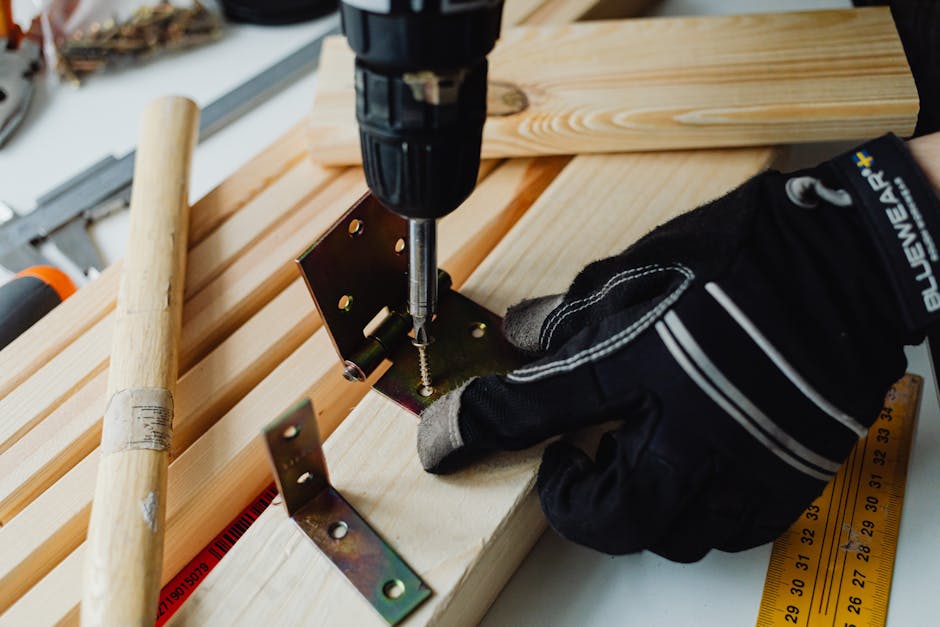
Woodworking is a craft that demands precision, patience, and safety. While many woodworkers focus on tools and materials, the importance of personal protective equipment (PPE) cannot be overlooked. Among the most critical pieces of PPE are gloves, which protect your hands from potential injuries while allowing you to maintain the dexterity required for intricate joinery and finishing work. In this article, we will delve into the various types of gloves suitable for woodworking, helping you make an informed choice to ensure your safety without sacrificing precision.
Why Gloves Matter in Woodworking
When engaging in woodworking, the hands are the primary tools for executing detailed tasks. From making precise cuts to assembling joints, your hands are constantly at risk of injury from sharp tools and rough materials. Additionally, exposure to dust and chemicals can pose long-term health risks. Therefore, selecting the right gloves not only contributes to your immediate safety but also supports your overall well-being as a woodworker.
Types of Gloves for Woodworking
Choosing the best gloves for woodworking involves understanding the specific tasks you will undertake as well as the materials you will be using. Here are the primary types of gloves suitable for woodworking:
1. General Purpose Work Gloves
- Material: Often made from cotton, leather, or synthetic materials.
- Protection: Offers basic protection against splinters, minor cuts, and abrasions.
- Dexterity: Generally provides good dexterity, but may vary based on the thickness of the material.
General-purpose work gloves are suitable for various woodworking tasks, from handling rough lumber to assembling projects. They are ideal for beginners who need basic protection.
2. Cut-Resistant Gloves
- Material: Made from high-performance polyethylene (HPPE) or Kevlar.
- Protection: Designed specifically to resist cuts and punctures, making them ideal for tasks involving sharp tools.
- Dexterity: Available in various thicknesses, allowing for excellent dexterity while ensuring safety.
For advanced woodworking tasks, especially those involving fine joinery or the use of chisels and saws, cut-resistant gloves are essential. They help prevent serious injuries while allowing you to maintain control over your tools.
3. Anti-Vibration Gloves
- Material: Often constructed with padded materials to absorb vibrations.
- Protection: Reduces the risk of hand-arm vibration syndrome (HAVS) from using power tools.
- Dexterity: Offers decent dexterity, though the padding may slightly reduce sensitivity.
If your woodworking involves the use of power tools like routers or sanders, anti-vibration gloves can help mitigate the effects of prolonged vibration on your hands, reducing fatigue and the risk of injury.
4. Chemical-Resistant Gloves
- Material: Made from materials like nitrile or latex.
- Protection: Protects against chemicals found in finishes, solvents, and adhesives.
- Dexterity: While they provide excellent protection, they may sacrifice some dexterity.
When applying finishes or adhesives, chemical-resistant gloves are imperative. They protect your skin from harmful substances while ensuring you can work safely.
Choosing the Right Gloves for Your Project
When selecting gloves for woodworking, consider the following factors:
- Task Specificity: Match your gloves to the specific tasks you will perform, whether it's cutting, sanding, or finishing.
- Fit and Comfort: Ensure that the gloves fit well and are comfortable, as this will encourage you to wear them consistently.
- Grip: Look for gloves with a good grip to maintain control over tools and materials.
- Durability: Choose gloves that can withstand the wear and tear associated with woodworking.
For advanced techniques focusing on joinery and precision, prioritize gloves that offer both protection and dexterity. Having the right gloves allows you to focus on the quality of your work, achieving professional results without compromising safety.
Where to Find Quality Plans
If you’re looking for guidance on woodworking projects, consider resources like Ted Woodworking. This platform offers a vast array of plans that cater to all skill levels, helping you enhance your woodworking skills while ensuring safety and precision in your work.
Conclusion
The importance of gloves in woodworking cannot be overstated. They serve as your first line of defense against injuries while allowing you to perform intricate tasks with confidence. By understanding the different types of gloves available and their specific applications, you can choose the right pair that enhances your safety and supports your craftsmanship. Remember, safety is not just a practice; it’s a mindset that should accompany every woodworker in their journey.
FAQ
1. Can I use regular gloves for woodworking?
While regular gloves may provide some protection, it is best to use gloves specifically designed for woodworking to ensure safety and dexterity.
2. How often should I replace my woodworking gloves?
Replace your gloves when you notice signs of wear and tear, such as holes or reduced grip, to maintain optimal safety.
3. Are there gloves that provide both grip and cut resistance?
Yes, many gloves are designed with both grip and cut-resistant features, making them ideal for woodworking tasks.
📚 Related Articles
🔨 Want 16,000+ Woodworking Plans?
Get instant access to step-by-step plans with blueprints and cut lists.
Get Instant Access →