Introduction
Woodworking is an art that can be both fulfilling and challenging, especially when it comes to crafting complex joints. For beginners, understanding how to safely execute these joints is crucial. Not only does it enhance the durability and aesthetics of your projects, but it also ensures your safety while you work. In this article, we will explore the essential tools, techniques, and safety tips that will help you master complex woodworking joints.
Understanding Complex Woodworking Joints
Complex joints, like dovetails, mortise and tenon, and box joints, require precision and skill. These joints provide strength and stability to your furniture pieces and can elevate your woodworking projects from simple to sophisticated.
Why Safety is Important
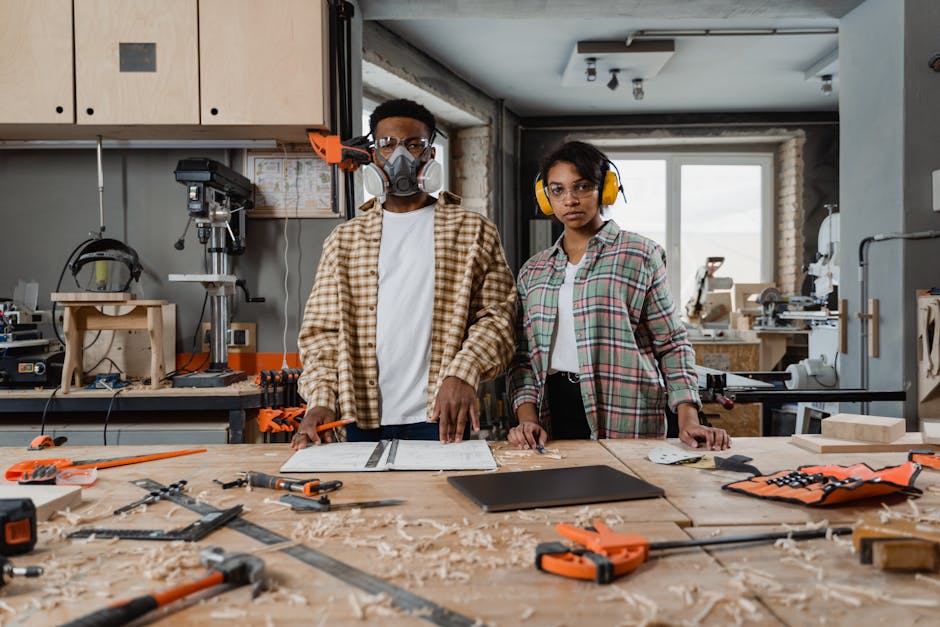
Safety should always be your top priority in woodworking. Complex joints often require the use of power tools, which can pose risks if not handled correctly. Proper safety measures not only protect you but also improve the quality of your work.
Essential Tools for Creating Complex Joints
To achieve your woodworking goals, having the right tools is vital. Below is a list of recommended tools, along with their pros and cons, to help you safely execute complex joints.
1. Table Saw
- Pros: Highly accurate cuts, versatility for various joints.
- Cons: Requires proper setup and safety precautions; can be dangerous if misused.
A table saw is an essential tool for making precise cuts needed for joints. Always use a push stick to keep your hands away from the blade and wear safety goggles to protect your eyes.
2. Router
- Pros: Excellent for shaping edges and creating intricate designs.
- Cons: Can be intimidating for beginners; requires practice to master.
Routers are perfect for creating mortise and tenon joints. Use a router table for increased stability and control. Make sure to wear hearing protection as routers can be quite loud.
3. Chisels
- Pros: Great for fine-tuning joints and adding detail.
- Cons: Requires skill and practice; careful handling is necessary to avoid injuries.
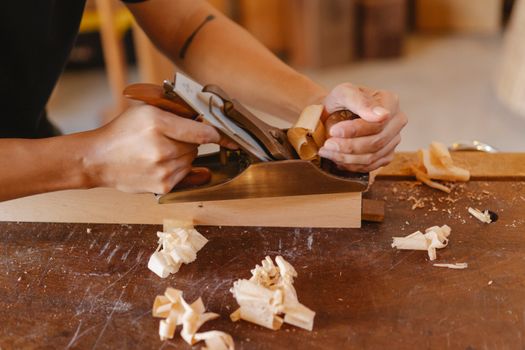
Sharp chisels are essential for cleaning up joints and making adjustments. Always cut away from your body and use a mallet for controlled force.
4. Dovetail Saw
- Pros: Designed specifically for precise cuts in dovetails.
- Cons: Limited to specific joints; requires a steady hand.
A dovetail saw is perfect for creating intricate dovetail joints. Practice on scrap wood to gain confidence before working on your final project.
5. Clamps
- Pros: Essential for holding pieces securely while joints are being cut or glued.
- Cons: Can be cumbersome if too many are used; may leave marks on wood.
Invest in a variety of clamps, including bar and pipe clamps, to ensure your joints are held firmly in place. Always check for even pressure to avoid warping your wood.
Safety Tips for Beginners
Executing complex joints safely requires a mix of the right tools and proper techniques. Here are some essential safety tips:
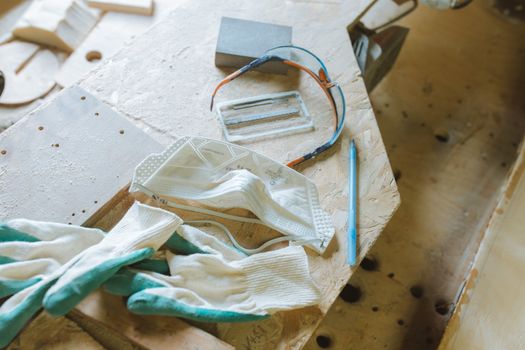
- Always wear safety goggles and hearing protection.
- Keep your workspace clean and organized to prevent accidents.
- Use push sticks or other aids to keep your hands away from moving blades.
- Double-check measurements and settings before cutting.
- Never rush your work; take your time to ensure precision and safety.
- Familiarize yourself with each tool's manual and safety features before use.
Utilizing Resources Like Ted Woodworking
For beginners looking to expand their knowledge and skills, resources like Ted Woodworking can be invaluable. Ted Woodworking offers a vast library of plans that cater to all skill levels, including detailed instructions on executing complex joints. Utilizing these plans can help you understand the nuances of woodworking joints and improve your overall technique.
Conclusion
Mastering complex woodworking joints is a rewarding endeavor, but it requires the right tools and a commitment to safety. By investing in quality tools and adhering to safety practices, you can create beautiful and durable furniture pieces. Remember to practice regularly and consult resources like Ted Woodworking to elevate your woodworking skills.
FAQ
1. What are some common types of complex joints?
Some common types include dovetail joints, mortise and tenon joints, and box joints.
2. How can I improve my accuracy when cutting joints?
Use high-quality tools, take your time, and consider making test cuts on scrap wood before working on your final piece.
3. Is it necessary to wear safety gear while woodworking?
Yes, wearing safety gear like goggles and hearing protection is essential to prevent injuries while using power tools.
📚 Related Articles
🔨 Want 16,000+ Woodworking Plans?
Get instant access to step-by-step plans with blueprints and cut lists.
Get Instant Access →