Introduction to Router Safety in Woodworking
Using a router in woodworking is an essential skill that can elevate your projects to a professional level. However, with great power comes great responsibility. Routers are powerful tools that can create intricate joinery and smooth edges, but they can also pose safety risks if not handled properly. In this article, we will explore advanced techniques for using a router while prioritizing safety and maintaining precision and high-quality finishes.
Understanding Your Router
Before diving into techniques, it’s vital to understand the components and operation of your router. Knowing how your tool works will help you use it more effectively and safely.
- Router Base: The base of the router helps stabilize the tool. Ensure it is clean and free from debris before use.
- Bit Selection: Choose the right router bit for your project. Different bits serve specific purposes, such as edge forming or joinery.
- Speed Settings: Most routers come with variable speed settings. Adjust the speed based on the bit size and the type of wood you are working with.
Safety First: Essential Precautions
Safety is paramount when using power tools. Here are crucial safety tips to follow:
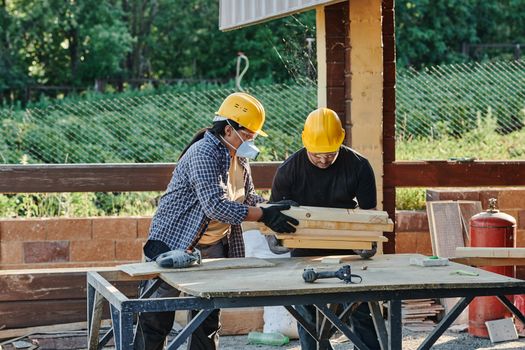
- Wear Personal Protective Equipment (PPE): Always wear safety glasses, hearing protection, and a dust mask to protect yourself from debris and noise.
- Secure Your Workpiece: Use clamps to hold your workpiece firmly. A secure piece reduces the chances of kickback and helps maintain control.
- Router Table vs. Handheld: Consider using a router table for more stability, especially for intricate cuts. Handheld routers require more physical control.
- Keep Your Hands Clear: Maintain a safe distance from the router bit and avoid placing your hands near the cutting area.
- Check for Damage: Inspect your router and bits for any damage before use. A damaged bit can lead to accidents.
Advanced Techniques for Joinery and Precision
Once you are familiar with the safety measures, you can start exploring advanced routing techniques that enhance joinery and provide a professional finish.
Creating Precision Joints
Using a router allows you to create various joints with precision. Here are some techniques:
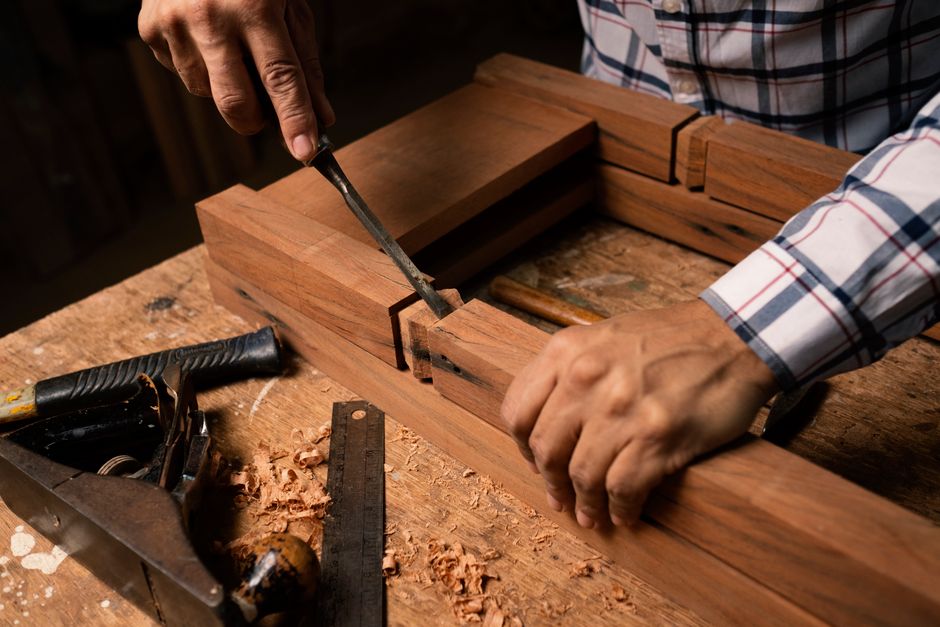
- Mortise and Tenon Joints: Use a straight bit to create mortises. Set the depth according to your tenon size for a snug fit.
- Box Joints: A router can help you create box joints with accuracy. Use a box joint jig to guide your cuts and maintain consistency.
- Finger Joints: A similar technique to box joints, finger joints can be accomplished with a router and provide a strong, interlocking joint.
Finishing Techniques
A router is not just for joinery; it can also be used for finishing edges:
- Roundover Edges: A roundover bit can soften sharp edges, giving your project a more refined look.
- Bevel Edges: Use a bevel bit to create a sloped edge, adding visual interest and a professional touch.
- Chamfer Edges: Chamfers can add definition to your project. Set your router to the desired angle for clean cuts.
Maintaining Control and Precision
Maintaining control during routing is crucial for achieving precise results:
- Use Guide Bushings: For freehand routing, guide bushings can help you follow the lines accurately.
- Take Light Passes: Make multiple shallow passes instead of one deep cut. This approach minimizes strain on the router and enhances control.
- Feed Direction: Always feed the router against the rotation of the bit. This prevents kickback and helps maintain control.
Resource for Router Plans
If you're looking for detailed plans that incorporate routers into your woodworking projects, consider checking out Ted Woodworking. They offer a vast library of plans that can guide you through various projects, ensuring you utilize your router safely and effectively.
Conclusion
Using a router can significantly enhance your woodworking projects, from precise joinery to beautiful finishes. However, safety should always be your top priority. By following the tips outlined in this article, you can confidently use your router and achieve professional results. Always remember to invest in quality bits, take your time, and practice safe techniques to fully enjoy the creative possibilities that routing offers.
FAQ
1. What type of router bit should I use for joinery?
For joinery, straight bits are typically used for cutting mortises and tenons, while dovetail bits can be used for creating dovetail joints.
2. How can I prevent kickback while using a router?
To prevent kickback, always feed the router against the direction of the bit’s rotation, and ensure your workpiece is securely clamped.
3. What safety gear do I need when using a router?
Always wear safety glasses, hearing protection, and a dust mask to protect yourself from debris, noise, and dust.
📚 Related Articles
🔨 Want 16,000+ Woodworking Plans?
Get instant access to step-by-step plans with blueprints and cut lists.
Get Instant Access →