Can I Safely Use Old Tools in Modern Woodworking Projects?
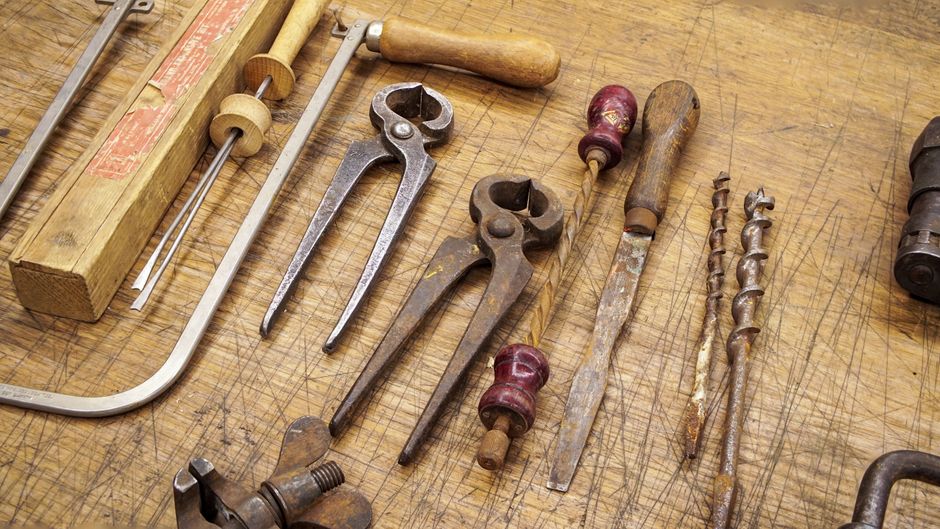
Woodworking is a craft that has been passed down through generations, and many enthusiasts find themselves drawn to the charm and history of using old tools. If you’ve inherited some vintage woodworking tools or found them at a flea market, you might wonder whether they are safe to use in your modern woodworking projects. This guide will help you understand how to assess and safely use old tools in your woodworking endeavors.
Assessing the Condition of Old Tools
Before you dive into using any old tools, it's essential to assess their condition. Here are some steps to follow:
- Inspect for Rust: Look for any signs of rust on the metal parts. Surface rust can often be cleaned, but deep rust can compromise the tool’s integrity.
- Check for Cracks: Inspect wooden handles and metal parts for any cracks or breaks. A cracked handle can break while in use, leading to injury.
- Sharpening: Assess the sharpness of blades. Dull blades can be dangerous as they require more force to cut and can slip.
- Functional Testing: If possible, test the tools to see if they function correctly. A tool that isn’t working properly can be hazardous.
Cleaning and Restoring Old Tools
Once you’ve assessed the condition of your tools, it’s time to clean and restore them if necessary. Here’s a step-by-step guide:
- Gather Supplies: You will need rust remover (like vinegar or a commercial rust remover), steel wool, a wire brush, wood oil, and a sharpening stone.
- Clean the Rust: For surface rust, soak the tool parts in vinegar for a few hours, then scrub with steel wool or a wire brush. Rinse and dry thoroughly.
- Restore Wooden Handles: If the handles are rough, sand them down lightly and apply a coat of wood oil to protect the wood and improve grip.
- Sharpen Blades: Use a sharpening stone to sharpen any blades, making sure to follow the bevel angle of the blade for an effective edge.
Safety Considerations When Using Old Tools
Using old tools can be safe, but it’s important to keep safety in mind. Here are some tips:
- Always Wear Safety Gear: Use safety glasses, gloves, and hearing protection when using any tools, especially older ones that may not have modern safety features.
- Know Your Tools: Familiarize yourself with how each tool operates. Old tools may work differently than modern ones, so understanding their mechanics is crucial.
- Use Stable Work Surfaces: Ensure you are working on a stable surface to prevent accidents. Use clamps to hold materials securely when using hand tools.
- Be Mindful of Your Environment: Keep your workspace clean and organized to minimize distractions and hazards.
Incorporating Old Tools in Modern Projects
Now that you’ve assessed, cleaned, and prepared your old tools, you can incorporate them into your modern woodworking projects. Here are some ideas:
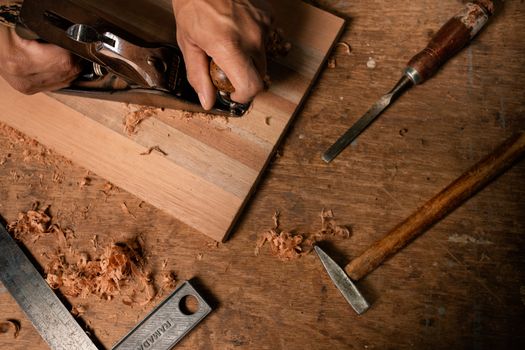
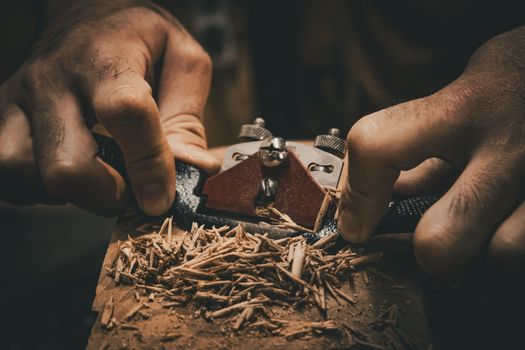
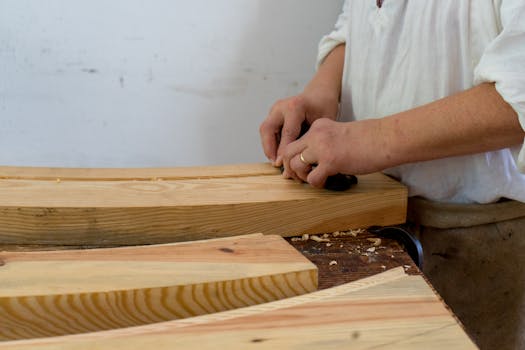
- Hand Planes: Use old hand planes for smoothing surfaces. They can give your projects a unique finish that modern tools may not replicate.
- Chisels: Vintage chisels can be incredibly effective for detailed joinery and carving work. Just ensure they are sharp and well-maintained.
- Saws: Old handsaws can be a great addition for those who appreciate the craftsmanship and precision of manual cutting.
Finding Plans for Your Projects
As you venture into using old tools, you might need some guidance on what to build. Ted Woodworking is an excellent resource for woodworking plans that can help you utilize both modern and vintage tools effectively. With a plethora of plans available, you can find projects that suit your skill level and interests.
Final Thoughts
Using old tools in modern woodworking can be a rewarding experience, connecting you with the history of the craft while allowing you to create beautiful pieces. By following the steps outlined in this guide, you can safely incorporate these vintage tools into your projects, ensuring both your safety and the quality of your work. Remember to assess, clean, and restore your tools carefully, and always prioritize safety in your woodworking journey.
FAQ
- Can I use rusty tools? - Light surface rust can be cleaned, but avoid using tools with deep rust or structural damage.
- Are old tools better than new tools? - It depends on the tool and your preference. Some old tools are made from higher quality materials, while others may not meet modern safety standards.
- How should I store old tools? - Keep them in a dry place, and consider using oil to protect metal parts from rust. Wooden handles should be kept clean and oiled to prevent drying out.
📚 Related Articles
🔨 Want 16,000+ Woodworking Plans?
Get instant access to step-by-step plans with blueprints and cut lists.
Get Instant Access →