Understanding Wood Grain
When embarking on a furniture-building project, the selection of wood is one of the most critical decisions you will make. Among the many factors to consider, wood grain often stands out as a key element. But why does wood grain matter so much in your selection process? This article will delve into the role of wood grain in aesthetics, durability, and functionality, while also highlighting common mistakes to avoid and troubleshooting tips.
The Importance of Wood Grain
Wood grain refers to the pattern of fibers in the wood, which can vary significantly depending on the species, growth conditions, and processing methods. Understanding wood grain is essential for several reasons:
- Aesthetics: The visual appeal of wood grain can enhance the beauty of your furniture. Different grains can create unique patterns and textures.
- Durability: The orientation and density of the grain can affect the wood's strength and longevity. Certain grain patterns may be more resistant to wear and damage.
- Functionality: The grain can influence the wood's workability and how it reacts to changes in humidity and temperature.
Aesthetics: Choosing the Right Look
One of the most common mistakes in wood selection is overlooking the aesthetic aspect of wood grain. While you may have a specific design in mind, choosing the wrong grain pattern can clash with your overall vision. Here are some tips:
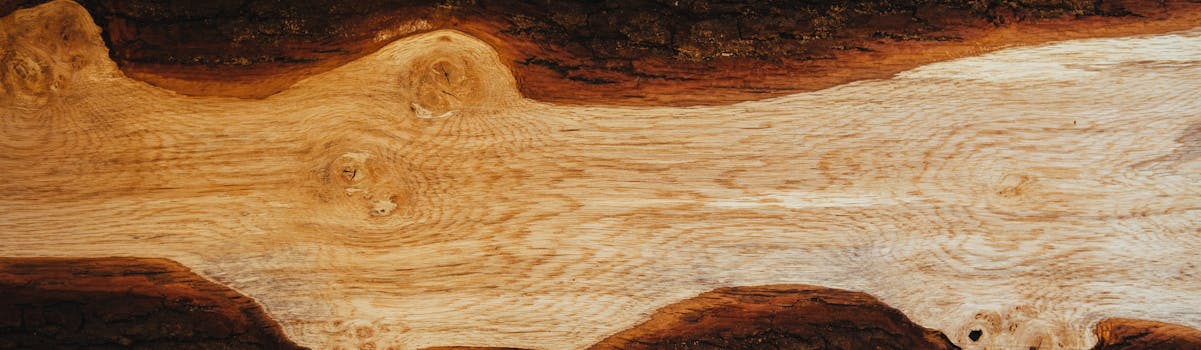
- Match Your Design: Determine the style of your furniture (modern, rustic, traditional) and select a wood grain that complements it. For a modern look, consider straight grain woods like maple or birch, while a rustic design may benefit from the knots and swirls of oak.
- Consider Color: The natural color of the wood and its grain pattern should align with your color scheme. Lighter woods like ash can brighten a space, while darker woods like walnut can add richness and warmth.
Durability: Avoiding Weaknesses
Another common issue arises when woodworkers select species based solely on appearance without considering durability. Different grains have different strengths. For example, woods with tighter grain patterns are generally stronger and more resistant to warping.
To avoid mistakes:
- Research Properties: Familiarize yourself with the properties of various wood types. Oak, for example, is known for its strength and durability, making it a popular choice for furniture.
- Test Samples: Before committing to a large piece, test a small sample of the wood. Check how it reacts to humidity and temperature changes, which can affect its stability over time.
Functionality: Workability and Maintenance
The grain pattern also affects how easy the wood is to work with. Some woods with prominent grain may be difficult to sand or finish evenly, leading to an unsatisfactory final product.
To ensure your project goes smoothly:
- Evaluate Workability: Choose woods that are known for their ease of machining. For instance, softer woods like pine are easier to cut and shape, while harder woods may require special tools and techniques.
- Plan for Finishing: Consider how the grain will affect your finishing process. Some woods may absorb stain unevenly, while others may show imperfections more readily.
Additional Resources: Ted Woodworking
If you're looking for comprehensive plans to guide you through your furniture building process, Ted Woodworking offers a wealth of resources. With detailed plans and guides, you can gain a better understanding of wood selection and grain patterns, helping you avoid common pitfalls.
Conclusion
In summary, wood grain matters significantly in your selection process. By understanding its aesthetic, durability, and functionality aspects, you can make informed choices that will enhance your furniture projects. Remember to conduct thorough research, test your materials, and consider aesthetic compatibility to avoid common mistakes.
FAQ
1. What types of wood grain patterns are there?
Wood grain patterns can be categorized into various types such as straight, wavy, curly, and quilted. Each pattern has its unique appearance and characteristics.
2. How does humidity affect wood grain?
Wood expands and contracts with changes in humidity, which can cause warping and cracking. Selecting a wood with a stable grain pattern can mitigate these issues.
3. Can I change the appearance of wood grain with finishing techniques?
Yes, finishing techniques such as staining and sealing can enhance or alter the appearance of wood grain, highlighting its natural beauty or changing its color.
📚 Related Articles
🔨 Want 16,000+ Woodworking Plans?
Get instant access to step-by-step plans with blueprints and cut lists.
Get Instant Access →