Introduction
When it comes to furniture building, the selection of wood is not merely a matter of preference; it is a critical decision that impacts the durability, appearance, and overall quality of the finished product. Understanding regional availability of wood species can significantly influence your choices. This article explores best practices for selecting wood based on what is readily available in your area, emphasizing advanced techniques focusing on joinery, precision, and achieving a professional finish.
Understanding Regional Availability
Wood species are often categorized by their geographical availability. Selecting local woods not only supports sustainable practices but also ensures that your material is acclimated to the climate in which you live. Here are some important considerations:
- Climate: Different wood species thrive in various climates. For example, hardwoods like oak and maple are common in temperate zones, while tropical hardwoods such as mahogany are found in warmer climates.
- Transportation Costs: Using locally sourced wood reduces transportation costs and environmental impact. This can also mean fresher wood that hasn't been subjected to lengthy shipping times.
- Availability of Species: The types of wood you will have access to can vary significantly from region to region. Research the common species in your area to maximize your options.
Choosing the Right Wood for Your Project
Once you have a grasp of the regional wood species available to you, the next step is to choose the right wood for your specific project. Here’s how you can make informed decisions:
1. Identify Your Project Requirements
Assess the functional requirements of your furniture piece. Will it bear weight? Will it be exposed to moisture or heat? Different woods have different physical properties, so it is crucial to choose one that meets the demands of your project.
2. Consider Aesthetic Qualities
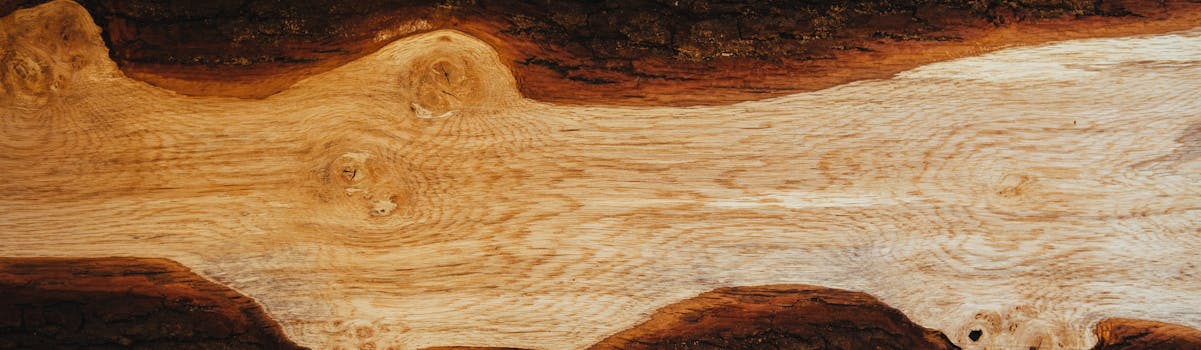
The visual appeal of your furniture is integral to its success. Look at the grain patterns, color variations, and texture of the wood. For example:
- Maple: Known for its fine, uniform grain, maple offers a clean look.
- Walnut: This wood has a rich, dark color with stunning grain patterns, perfect for high-end furniture.
- Pine: A softer wood that is easy to work with, pine has a rustic charm that suits casual designs.
3. Assess Workability
Different wood species behave differently when being cut, sanded, and finished. Hardwoods generally provide a more durable surface but can be challenging to work with. Softer woods are easier to manipulate but may not withstand wear as well. Choose a wood that aligns with your skill level and the tools at your disposal.
Joinery Techniques and Wood Selection
The type of joinery you plan to use can also influence your wood selection. Precision in joinery is key to achieving a robust and visually pleasing result. Here’s how to align your wood choice with your joinery techniques:
1. Traditional Joinery
If you are using traditional joinery methods such as mortise and tenon or dovetail joints, opt for woods that are known for their strength and stability. Hardwoods like oak or ash are excellent choices as they can withstand the stresses of these joints.
2. Modern Joinery
For modern techniques such as pocket hole joinery or dowel joints, softer woods like poplar or birch work well. They are easier to drill and allow for a more forgiving assembly process.
Finishing Techniques for Enhanced Appearance
The finishing stage is where your choice of wood truly shines. Different woods respond uniquely to stains, paints, and finishes. Here are some tips for achieving a professional finish:
1. Sanding
Regardless of the wood selected, proper sanding is crucial. Start with a coarse grit and gradually move to a finer grit. This is especially important for woods with a prominent grain, such as oak, to ensure a smooth surface.
2. Staining
Test stains on scrap pieces of the same wood to see how they react. Some woods, like cherry and maple, can dramatically change in color when stained, so it’s essential to know how the final finish will look.
3. Sealing
Use a high-quality sealant to protect your wood from moisture and wear. Polyurethane finishes provide excellent durability, while oils can enhance the natural grain.
Resource for Woodworking Plans
For those looking to dive deeper into woodworking, consider resources like Ted Woodworking. It offers a vast selection of woodworking plans that can inspire your next project and guide you through the intricacies of joinery and finishing techniques.
Conclusion
Choosing the right wood based on regional availability is a crucial step in furniture building. By understanding the properties of different species, their workability, and the joinery techniques best suited for them, you can create pieces that are not only functional but also aesthetically pleasing. With a focus on precision and professional finishes, your woodworking projects will shine.
FAQ
1. What types of wood are best for outdoor furniture?
For outdoor furniture, consider woods like teak, cedar, or redwood, as they are naturally resistant to moisture and insects.
2. How can I tell if wood is properly dried?
Properly dried wood will have a moisture content of around 6-8%. You can use a moisture meter to check this before purchasing.
3. Can I use reclaimed wood for furniture building?
Yes, reclaimed wood can be an excellent choice for furniture building. It often comes with unique character and sustainability benefits, but ensure it’s in good condition and free of contaminants.
📚 Related Articles
🔨 Want 16,000+ Woodworking Plans?
Get instant access to step-by-step plans with blueprints and cut lists.
Get Instant Access →