Understanding Joinery Techniques
Joinery is a fundamental aspect of woodworking that determines the strength and aesthetic appeal of your furniture. Choosing the right joinery technique is crucial for achieving both structural integrity and a professional finish. In this article, we will explore the differences between pocket holes and traditional joinery methods, helping you decide when to use each technique effectively.
What are Pocket Holes?
Pocket holes are a modern joinery technique that involves drilling an angled hole into one workpiece and fastening it to another using screws. This method allows for a strong, hidden joint that is easy to create with minimal tools. Pocket holes are especially popular among hobbyists and professional woodworkers for their efficiency and reliability.
Advantages of Pocket Holes
- Speed: Pocket holes can be created quickly, making them ideal for production environments or projects with tight deadlines.
- Ease of Use: The technique requires less skill and fewer tools compared to traditional methods, making it accessible for beginners.
- Concealed Joints: The screws are hidden from view, leading to a cleaner appearance in finished pieces.
- Adjustability: Pocket holes allow for easy disassembly and reassembly, which can be beneficial in certain applications.
Traditional Joinery Methods
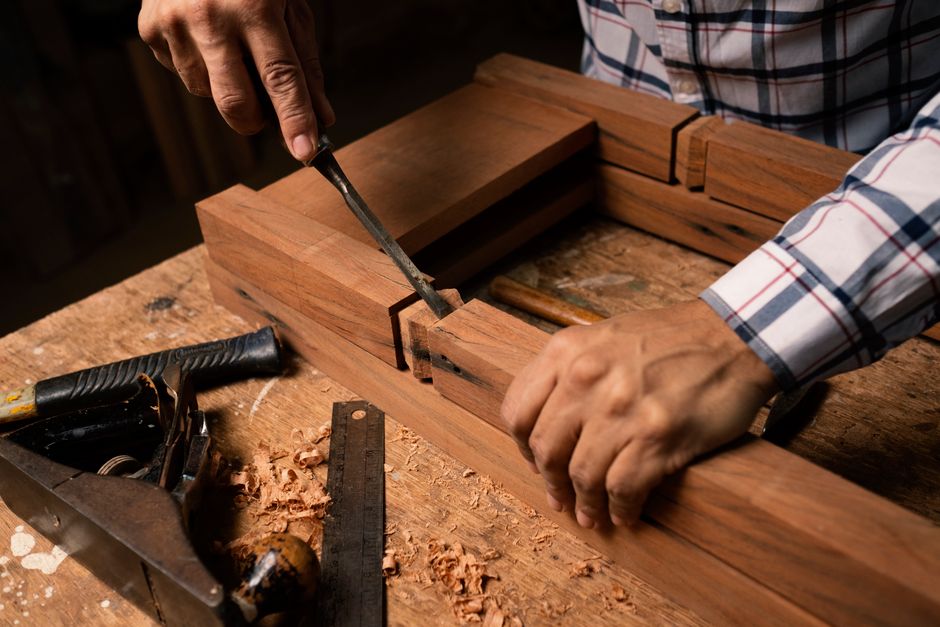
Traditional joinery methods encompass a variety of techniques that have been used for centuries, including mortise and tenon, dovetail, and biscuit joints. These methods often require more time and skill but can result in exceptionally strong and aesthetically pleasing joints.
Advantages of Traditional Joinery
- Strength: Many traditional joints, such as mortise and tenon, offer superior strength and durability, making them ideal for high-stress applications.
- Aesthetic Appeal: Traditional joinery often showcases craftsmanship, adding visual interest to the piece.
- Longevity: Well-executed traditional joints can last for generations when maintained properly.
- Historical Accuracy: For period pieces or restoration work, traditional joinery provides authenticity.
When to Use Pocket Holes
Pocket holes are suitable for a variety of applications, particularly when speed and efficiency are prioritized. Here are specific scenarios where pocket holes excel:
- Cabinetry: When constructing cabinets, pocket holes allow for quick assembly while ensuring a sturdy structure.
- Furniture Frames: Using pocket holes for furniture frames can streamline the build process without compromising quality.
- Repair Work: Pocket holes are ideal for making repairs on existing furniture, providing a strong joint without needing extensive modifications.
When to Use Traditional Joinery
Traditional joinery methods should be considered in situations where strength, aesthetics, or historical accuracy are paramount. Here are instances where traditional joints shine:
- Fine Furniture: For heirloom-quality pieces, using traditional joints enhances craftsmanship and longevity.
- High-Stress Applications: In projects like dining tables or chairs, traditional joinery provides the durability needed to withstand daily use.
- Visible Joints: When joints will be exposed, traditional methods like dovetails or mortise and tenon add decorative elements to the design.
Precision and Professional Finish
Regardless of the joinery method used, achieving a professional finish is essential in woodworking. Here are tips to ensure precision and quality in your joinery:
- Measure Twice, Cut Once: Always ensure accurate measurements and cuts to maintain joint integrity.
- Use Quality Materials: Invest in high-quality lumber and fasteners to ensure longevity and strength.
- Practice Makes Perfect: If you are new to a joinery method, practice on scrap wood to refine your technique before applying it to your project.
- Finishing Touches: The final finish can elevate your project, so consider sanding, staining, or applying a protective coat to enhance the overall appearance.
Resources for Joinery Plans
For those looking to enhance their skills and techniques in joinery, resources like Ted Woodworking offer comprehensive plans that cater to various skill levels. These plans provide step-by-step instructions, helping you master both pocket holes and traditional joinery methods.
Conclusion
Choosing between pocket holes and traditional joinery methods ultimately depends on your project requirements, skill level, and desired aesthetic. Understanding the strengths and weaknesses of each technique will enable you to make informed decisions that lead to high-quality, professional results in your woodworking projects.
FAQ
- What are the main differences between pocket holes and traditional joinery? Pocket holes are quicker and easier to execute, while traditional joinery offers superior strength and aesthetic appeal.
- Can pocket holes be used for fine furniture? While pocket holes can be used, traditional joinery methods are generally preferred for fine furniture due to their strength and craftsmanship.
- Are there any downsides to using pocket holes? The main downside is that pocket holes may not provide the same level of structural integrity as traditional joints in high-stress applications.
📚 Related Articles
🔨 Want 16,000+ Woodworking Plans?
Get instant access to step-by-step plans with blueprints and cut lists.
Get Instant Access →