Understanding Wood Selection for Durability
Choosing the right wood for your furniture project is crucial, especially if you want your creations to withstand the test of time. In this beginner-friendly guide, we will explore the key factors in wood selection that contribute to durability. With just a few basic tools and a little knowledge, you can make informed choices about the wood you use.
1. Types of Wood
There are two main categories of wood: softwood and hardwood. Understanding these types is fundamental to selecting durable wood.
- Softwoods: These come from coniferous trees (like pine and cedar). They are generally lighter and easier to work with, but may not be as durable as hardwoods.
- Hardwoods: Sourced from deciduous trees (like oak, maple, and walnut), hardwoods tend to be denser, making them more durable and resistant to wear and tear.
2. Grain Structure
The grain of the wood affects not only the aesthetics but also the strength and durability of the finished piece. Here are some things to consider:
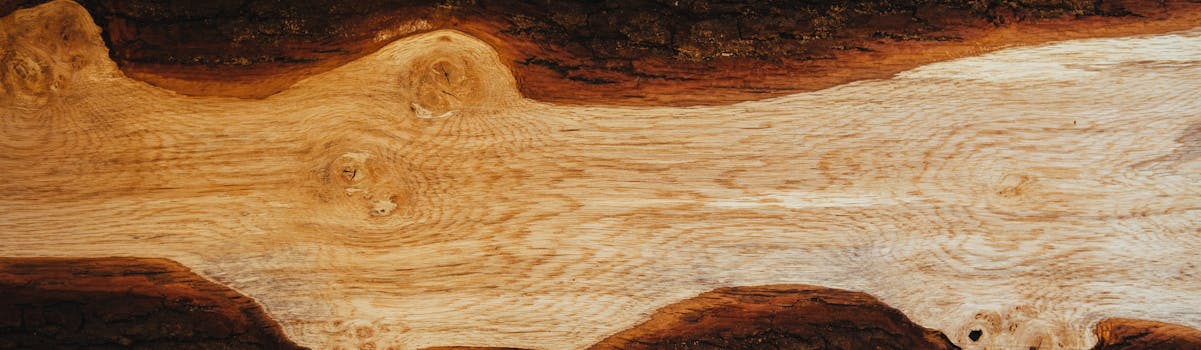
- Open Grain: Wood with a more porous structure (like oak) can be less durable against moisture but offers a unique visual texture.
- Closed Grain: Woods like maple have a tighter grain structure, making them less susceptible to moisture damage and more durable overall.
3. Moisture Content
Wood is a natural material that can absorb and release moisture. This characteristic can impact durability. Here are some tips to manage moisture content:
- Seasoned Wood: Always choose seasoned (dried) wood, as it has less moisture content, reducing the risk of warping or cracking.
- Acclimatization: Allow your wood to acclimate to the environment where it will be used. This will help stabilize the moisture content before you start working with it.
4. Stability and Movement
Different types of wood react differently to changes in temperature and humidity. Consider the following:
- Wood Movement: Hardwoods generally have less movement compared to softwoods, making them a better choice for furniture that needs to retain its shape.
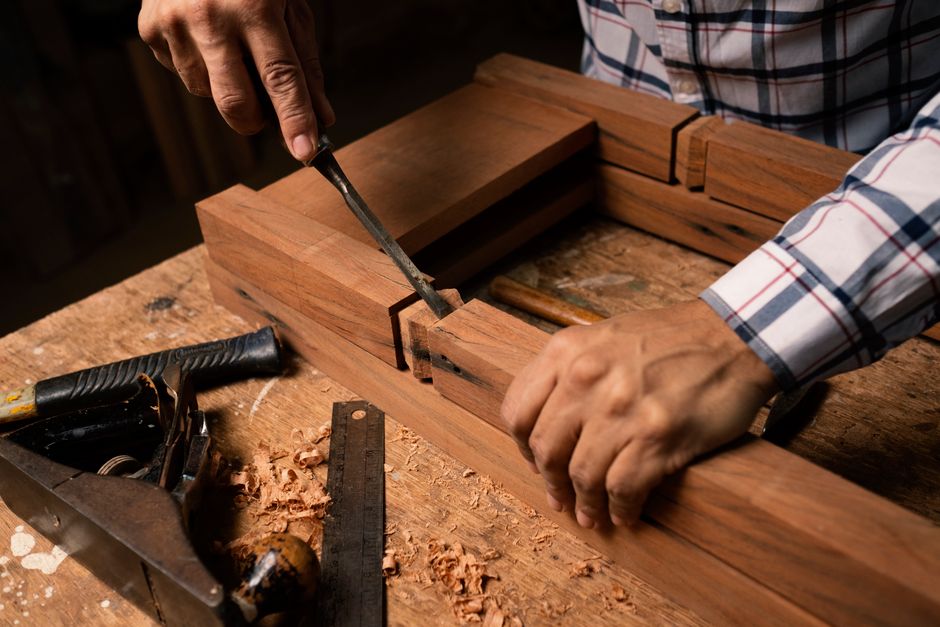
- Joint Construction: Use strong joinery techniques to ensure that your furniture can withstand any movement without falling apart.
5. Resistance to Pests and Decay
Some wood species are naturally resistant to pests and decay. Here are some durable options:
- Cedar: Known for its natural resistance to insects and decay, making it an excellent choice for outdoor furniture.
- Teak: Contains natural oils that provide resistance to moisture and pests, making it ideal for exterior applications.
- Oak: With its hardness and durability, oak is also resistant to wear and can last for generations.
6. Cost vs. Durability
While it might be tempting to go for cheaper options, consider the long-term value of your investment:
- Quality Over Price: Opt for higher-quality woods, even if they are more expensive upfront, as they can save you money on repairs and replacements in the long run.
- Value of Time: Investing in durable wood means spending less time fixing or replacing furniture.
7. Resources for Wood Selection
If you're looking for detailed plans and guidance for your woodworking projects, Ted Woodworking is a great resource. They offer a variety of woodworking plans that can help you choose the right materials for your needs.
Conclusion
Selecting the right wood for durability involves understanding the types of wood, their grain structure, moisture content, stability, resistance to pests, and the balance between cost and quality. By considering these factors, you can create beautiful and lasting furniture that you will be proud of for years to come.
FAQ
1. What is the best wood for outdoor furniture?
Cedar and teak are excellent choices for outdoor furniture due to their natural resistance to moisture and pests.
2. How can I prevent wood from warping?
Use seasoned wood and allow it to acclimate to its environment. Proper joinery techniques can also help minimize movement.
3. Is softwood suitable for furniture?
Yes, softwoods can be used for furniture, but they may not be as durable as hardwoods. Consider the intended use and longevity when selecting wood.
📚 Related Articles
🔨 Want 16,000+ Woodworking Plans?
Get instant access to step-by-step plans with blueprints and cut lists.
Get Instant Access →