Introduction
In the world of woodworking, the tools you choose can significantly influence your craftsmanship and the final outcome of your projects. Among the myriad of tools available, Japanese and Western hand tools stand out for their design, functionality, and precision. Understanding the differences between these two styles can help woodworkers elevate their joinery techniques and achieve a professional finish.
Design Philosophy
At the core of the differences between Japanese and Western hand tools lies their design philosophy.
Japanese Hand Tools
Japanese tools are often characterized by their unique aesthetics and functionality. They emphasize:
- Minimalism: Japanese tools are designed to perform tasks efficiently without unnecessary embellishments.
- Single-bevel blades: Many Japanese chisels and saws feature a single bevel which allows for sharp, precise cuts.
- Lightweight construction: Japanese tools are typically lighter, which offers greater control and reduces fatigue during prolonged use.
Western Hand Tools
Conversely, Western hand tools are often built with robust designs that emphasize:
- Durability: Western tools are often heavier and built to withstand rigorous use.
- Double-bevel blades: Most Western chisels and planes feature double bevels, which can be easier to sharpen and maintain.
- Ergonomics: Many Western tools are designed with user comfort in mind, featuring contoured grips and balanced weights.
Joinery Techniques
Joinery is a critical aspect of woodworking, and the choice of tools can greatly affect the precision and quality of joints.
Japanese Joinery
Japanese joinery techniques are often lauded for their complexity and precision. Tools such as the:
- Japanese chisel (Nomi): These chisels are designed for fine detail work and can create very tight joints.
- Dozuki saw: A back saw that allows for intricate cuts and meticulous joinery work.
- Hikoki plane: A hand plane that excels at creating smooth surfaces and precise edge joints.
These tools enable woodworkers to create clean, tight-fitting joints without the need for mechanical fasteners. Japanese joinery is a testament to the craftsmanship and patience required to master these techniques.
Western Joinery
Western joinery techniques, while perhaps less complex than their Japanese counterparts, are highly effective and versatile. Tools such as the:
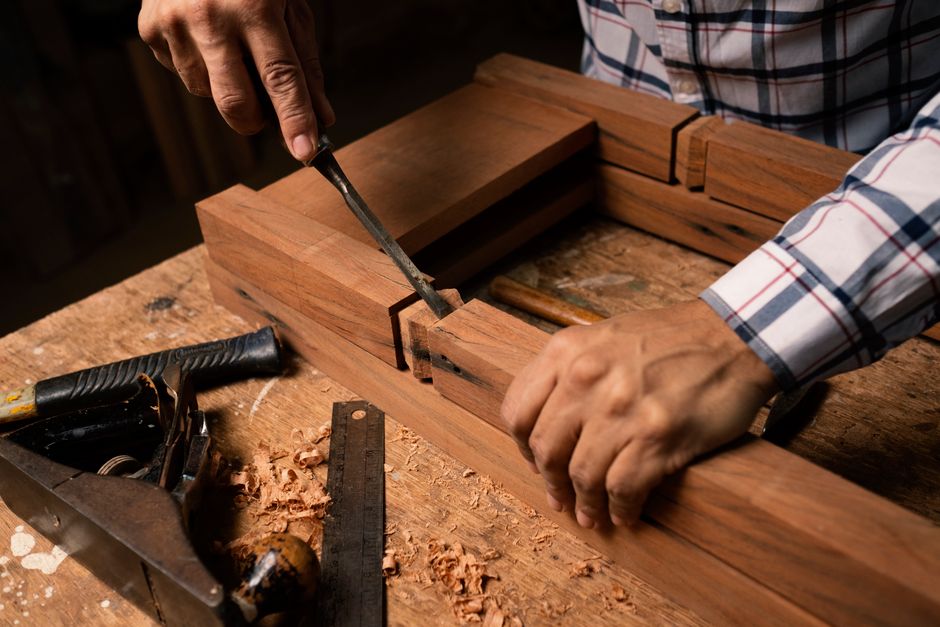
- Western chisel: Offers a sturdy construction for various joinery tasks, from mortises to dovetails.
- Panel saw: Ideal for making straight cuts in thicker stock and creating joints with less hassle.
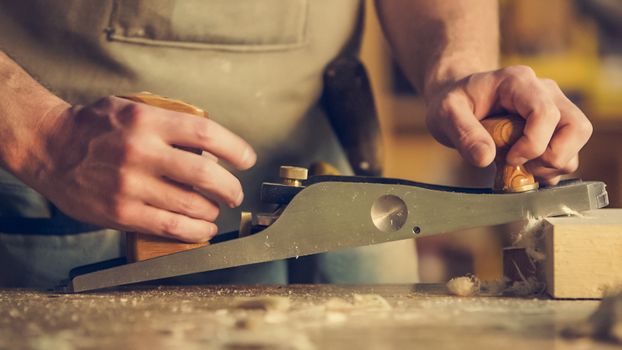
- Jack plane: A versatile plane for smoothing surfaces and preparing wood for joinery.
These tools allow for the construction of robust furniture pieces with strong, reliable joints that can withstand heavy use.
Precision and Finish
When it comes to achieving a professional finish, both Japanese and Western tools have their strengths and weaknesses.
Precision in Japanese Tools
Japanese tools are often regarded as superior when it comes to precision. The single-bevel blades provide a sharp edge that allows for:
- Clean cuts: The design minimizes tear-out, particularly in delicate woods.
- Control: Lighter tools allow for better maneuverability, crucial for intricate work.
- Thin kerfs: Japanese saws create thinner cuts, reducing wood waste and improving fit.
Finish with Western Tools
Western tools, while not as precise in some cases, excel in producing a professional finish through:
- Sturdiness: The heavier construction allows for more forceful cuts and smoothing operations.
- Versatility: Many Western tools are multifunctional, making them suitable for a variety of tasks.
- Ease of sharpening: The double-bevel design allows for simpler maintenance and can be honed quickly.
Choosing the Right Tools for Your Needs
Ultimately, the choice between Japanese and Western hand tools depends on your personal style, the types of projects you undertake, and the level of precision you require. For woodworkers looking to refine their joinery techniques and achieve a flawless finish, both tool types offer unique advantages.
For those interested in exploring detailed plans for woodworking projects that utilize both types of tools, resources like Ted Woodworking can provide comprehensive guides and blueprints.
Conclusion
In conclusion, the differences between Japanese and Western hand tools are significant and impact everything from joinery to the final finish. By understanding these distinctions and integrating both styles into your woodworking arsenal, you can elevate your craftsmanship and achieve professional results.
FAQ
1. What are the main types of Japanese hand tools?
Japanese hand tools include chisels (nomi), saws (dozuki), and planes (hikoki), each designed for specific tasks and precise work.
2. How do I choose between Japanese and Western tools?
Your choice should depend on the type of woodworking you do, your preference for precision versus durability, and the specific joinery techniques you wish to master.
3. Can I use both Japanese and Western tools together?
Absolutely! Many woodworkers find that a combination of both tool types can enhance their projects, allowing for greater versatility and creativity.
📚 Related Articles
🔨 Want 16,000+ Woodworking Plans?
Get instant access to step-by-step plans with blueprints and cut lists.
Get Instant Access →