Introduction
Woodworking is an art that demands precision, patience, and respect for the tools that enable the craft. Hand tools, in particular, are essential for achieving fine joinery and a professional finish in your projects. However, even the best tools can falter without proper care. In this article, we will delve into advanced techniques for maintaining your hand tools to ensure their longevity and optimal performance.
Understanding Your Hand Tools
Before we discuss maintenance, it is crucial to understand the different types of hand tools you are using. Hand tools can be broadly categorized into:
- Cutting Tools: Chisels, hand saws, plane blades
- Measuring Tools: Squares, calipers, marking gauges
- Shaping Tools: Rasps, files
- Assembly Tools: Clamps, mallets
Each type of tool has specific maintenance needs that focus on preserving their function and ensuring accurate results in your woodworking projects.
Essential Maintenance Techniques
1. Regular Cleaning
Keeping your tools clean is the first step to ensuring their longevity. Dust, wood resin, and moisture can damage blades and other components.
- Chisels and Blades: Wipe them down after each use with a soft cloth to remove sawdust and residue.
- Wooden Handles: Use a damp cloth to clean them, followed by a light application of furniture oil to nourish the wood.
- Metal Parts: Regularly check for rust and use a fine abrasive pad to remove any spots. Apply a light coat of oil afterward to prevent further corrosion.
2. Sharpening Techniques
A sharp tool is a safe tool. Dull blades can lead to accidents and poor cuts, which can compromise your joinery. Here are some advanced techniques for sharpening:
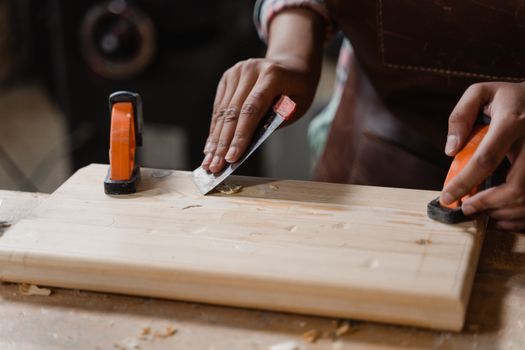
- Chisels: Use a sharpening stone with varying grits. Start with a coarse grit to reshape the edge, then progress to finer grits for a polished finish. Maintain a consistent angle (typically 25-30 degrees) for optimal sharpness.
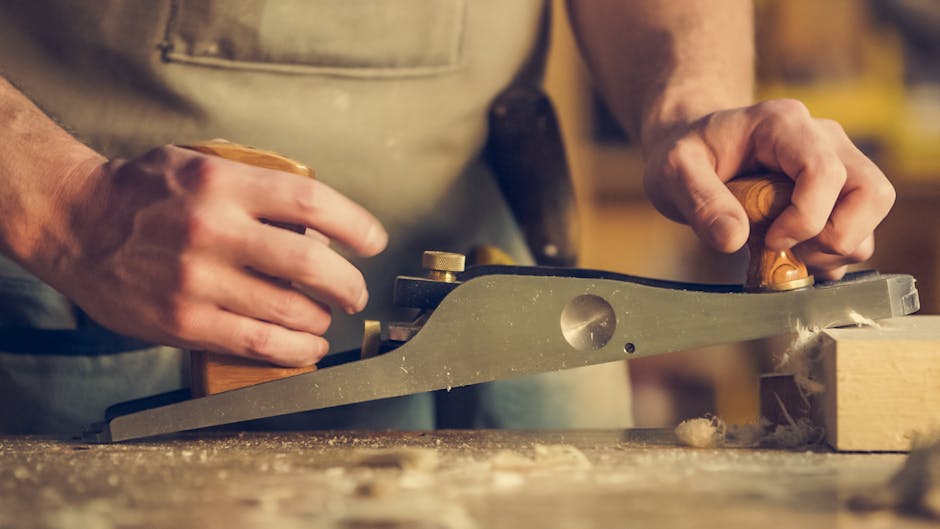
- Plane Blades: Similar to chisels, ensure you're maintaining the correct angle. Consider using a honing guide for precise bevel angles.
- Handsaws: Use a file to sharpen the teeth, ensuring you maintain the set of the teeth for effective cutting.
3. Storage Solutions
How you store your tools is just as important as how you maintain them. Proper storage can prevent damage and prolong the life of your tools.
- Toolboxes: Invest in a quality toolbox with compartments to keep tools organized and protected from moisture.
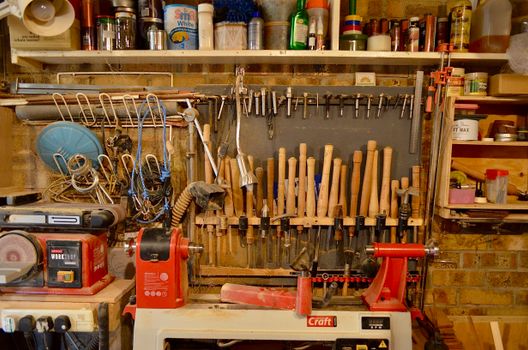
- Wall-Mounted Racks: For frequently used tools, consider wall-mounted racks that keep them accessible and visible.
- Humidity Control: Keep tools in a climate-controlled environment to minimize the risk of rust and damage.
Advanced Maintenance Practices
4. Regular Inspections
Incorporate regular inspections into your tool maintenance routine. Look for:
- Signs of wear or damage on blades and handles.
- Loose screws or parts that may need tightening.
- Any rust or corrosion that needs immediate attention.
These checks can prevent bigger issues down the line and keep your tools functioning at their best.
5. Lubrication for Smooth Operation
Lubrication is often overlooked but is crucial for the moving parts of your tools.
- Hinges and Joints: Apply a few drops of lightweight oil to hinges and moving parts of tools like clamps and miter boxes.
- Sliding Mechanisms: For tools that have sliding components, ensure they are lubricated to prevent binding and ensure smooth operation. Use a dry lubricant to avoid sawdust accumulation.
6. Invest in Quality Tools
While maintenance is essential, starting with high-quality tools can significantly reduce the amount of upkeep required. Brands known for their durability and precision, like those featured in resources such as Ted Woodworking, often provide tools that are built to last.
Conclusion
By implementing these advanced maintenance techniques, you can ensure your hand tools remain in top condition, enabling you to achieve precise joinery and professional finishes in your woodworking projects. Remember, the longevity of your tools directly correlates with the quality of your work, so make tool maintenance a priority in your woodworking journey.
Frequently Asked Questions
1. How often should I sharpen my hand tools?
It depends on usage; however, a good rule of thumb is to sharpen chisels and plane blades after every significant project and check saws regularly for sharpness.
2. What type of oil should I use for my hand tools?
Lightweight machine oil or mineral oil works well for metal components, while boiled linseed oil is excellent for nourishing wooden handles.
3. Can I use power tools for maintenance?
While power tools can speed up some processes, hand tool maintenance often requires a delicate touch that is best done manually to ensure precision and care.
📚 Related Articles
🔨 Want 16,000+ Woodworking Plans?
Get instant access to step-by-step plans with blueprints and cut lists.
Get Instant Access →