Why Hand Tools Can Improve Your Woodworking Skill Set
In the fast-paced world of modern woodworking, the allure of power tools can often overshadow the invaluable benefits of hand tools. While electric saws and drills have their place in the workshop, hand tools offer a unique approach that can significantly improve your woodworking skills. In this article, we will explore why incorporating hand tools into your projects is not just beneficial but essential for any serious woodworker.
Precision and Control
One of the primary advantages of using hand tools is the increased precision and control they provide. Unlike power tools that can sometimes be unwieldy, hand tools allow for subtle adjustments and fine-tuning. Here are some tools that excel in this area:
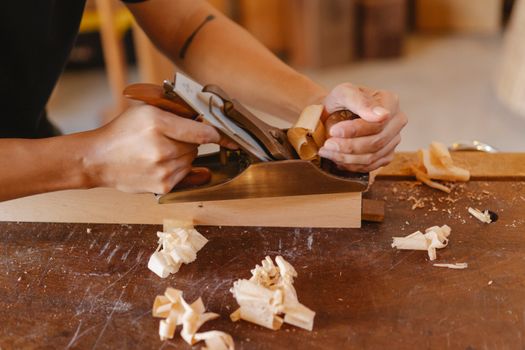
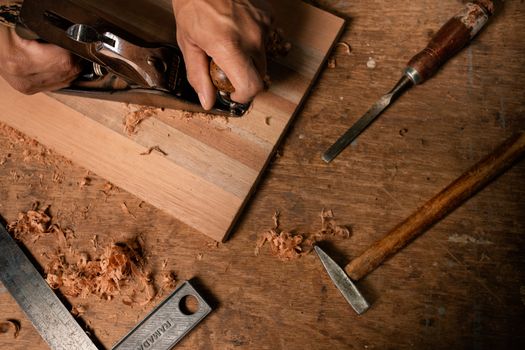
- Hand Planes: A good hand plane, such as the Stanley No. 4, can help you achieve a smooth finish on your wood surfaces with minimal effort. The ability to control the depth of cut allows you to take fine shavings, leading to a superior surface finish.
- Chisels: A set of quality chisels, like the Narex Chisels, allows for precision work in joinery and detailing. They are perfect for creating clean, sharp edges and intricate designs.
- Hand Saws: A Japanese Dozuki saw is an excellent choice for making precise cuts with minimal tear-out, thanks to its thin blade and pull-saw design.
Developing Skills and Technique
Using hand tools encourages you to develop a deeper understanding of woodworking techniques. The tactile feedback you receive when using hand tools helps you learn how to work with wood more effectively. Here are some benefits of developing your skills with hand tools:
- Improved Hand-Eye Coordination: Mastering hand tools requires practice and precision, which naturally enhances your hand-eye coordination over time.
- Better Understanding of Wood Behavior: Working with hand tools allows you to feel how the wood responds to different techniques, improving your overall woodworking intuition.
- Enhanced Problem-Solving Skills: Hand tools often require creative solutions to achieve specific results, helping you develop your problem-solving skills.
Lower Costs and Maintenance
Investing in hand tools can be more economical than purchasing high-end power tools. Here are some cost-related benefits:
- Affordability: Quality hand tools can be purchased at a fraction of the cost of power tools. For example, a Veritas Block Plane can be a one-time investment that lasts a lifetime.
- Less Maintenance: Hand tools require less maintenance compared to power tools, which often need more upkeep, repairs, and replacement parts. Keeping your hand tools sharp and clean is generally straightforward and less costly.
- Portability: Hand tools are easier to transport, allowing you to work in various locations without needing a complete workshop setup.
Mindfulness in Craftsmanship
Hand tool woodworking promotes a more mindful approach to craftsmanship. The slower pace allows for greater focus and appreciation of the materials and processes involved in woodworking. Here are some aspects to consider:
- Reduced Noise: Hand tools operate quietly, creating a more serene atmosphere that encourages concentration and creativity.
- Connection to Tradition: Using hand tools can connect you to the rich history of woodworking, allowing you to experience the craftsmanship that generations before you have practiced.
- Personal Satisfaction: There is immense satisfaction in creating something by hand. Completing a project with hand tools can provide a sense of accomplishment that power tools may not replicate.
Recommended Hand Tools for Woodworkers
If you're convinced about integrating hand tools into your woodworking skill set, here are some must-have tools along with their pros and cons:
- Bench Plane Pros: Excellent for flattening and smoothing surfaces. Cons: Requires practice to master. Recommendation: Lie-Nielsen No. 4 for quality and performance.
- Mortise Chisel Pros: Ideal for creating clean mortises for joinery. Cons: Can be challenging to use effectively without practice. Recommendation: Blue Spruce Mortise Chisels for their durability.
- Handsaw Pros: Versatile for various cuts; portable. Cons: Requires more effort than power saws. Recommendation: Dozuki Saw for its precision and ease of use.
For those looking for plans to guide their woodworking journey, Ted Woodworking offers a vast array of resources that cater to hand tool woodworking enthusiasts.
Conclusion
Incorporating hand tools into your woodworking practice can lead to increased precision, skill development, and a more fulfilling crafting experience. While power tools have their advantages, the benefits of using hand tools cannot be overlooked. They encourage mindfulness, connection to tradition, and a deeper understanding of the craft. By investing in the right hand tools, you can significantly enhance your woodworking skills and enjoy the process even more.
FAQs
1. What are the essential hand tools for beginners?
For beginners, a basic set would include a hand plane, chisels, a handsaw, and a marking gauge. These tools will cover a wide range of woodworking tasks.
2. How do I maintain my hand tools?
Keep your hand tools clean and sharp. Regularly oil metal parts to prevent rust and sharpen blades as needed to ensure optimal performance.
3. Are hand tools suitable for all types of woodworking projects?
Yes, hand tools can be used for a variety of projects, from furniture making to fine woodworking. They are particularly effective for joinery and detailed work.
📚 Related Articles
🔨 Want 16,000+ Woodworking Plans?
Get instant access to step-by-step plans with blueprints and cut lists.
Get Instant Access →