Why Choosing the Right Hand Tools Matters for Successful Woodworking
When it comes to woodworking, the tools you use can make or break your project. Hand tools, in particular, play a crucial role in achieving the precision and finesse that woodworking demands. However, many novice woodworkers overlook the importance of selecting the right hand tools, leading to frustration and subpar results. In this article, we'll discuss common mistakes to avoid, essential hand tools to consider, and troubleshooting tips to ensure your woodworking journey is successful.
Common Mistakes in Selecting Hand Tools
- Choosing Quality Over Quantity: One of the most common mistakes is accumulating a large collection of tools without focusing on their quality. A few high-quality hand tools will serve you better than a multitude of inferior ones.
- Ignoring Tool Maintenance: Many woodworkers neglect the maintenance of their hand tools. Dull blades and rusted surfaces can significantly hinder performance. Regular upkeep is essential for optimal function.
- Not Considering the Task at Hand: Using the wrong tool for the job can lead to poor results. It's crucial to understand the specific requirements of your project and select tools that match those needs.
- Overlooking Comfort and Ergonomics: Hand tools should feel comfortable in your hands. Tools that are too heavy or awkward can lead to fatigue and affect the quality of your work.
Essential Hand Tools for Woodworking
To avoid the aforementioned mistakes, it’s vital to equip yourself with the right hand tools. Here are some essential tools every woodworker should consider:
- Hand Saw: A quality hand saw is indispensable for making precise cuts. Look for one that feels balanced and comfortable.
- Chisels: A set of chisels is essential for detailed work, such as joinery or carving. Ensure they are sharp and well-maintained.
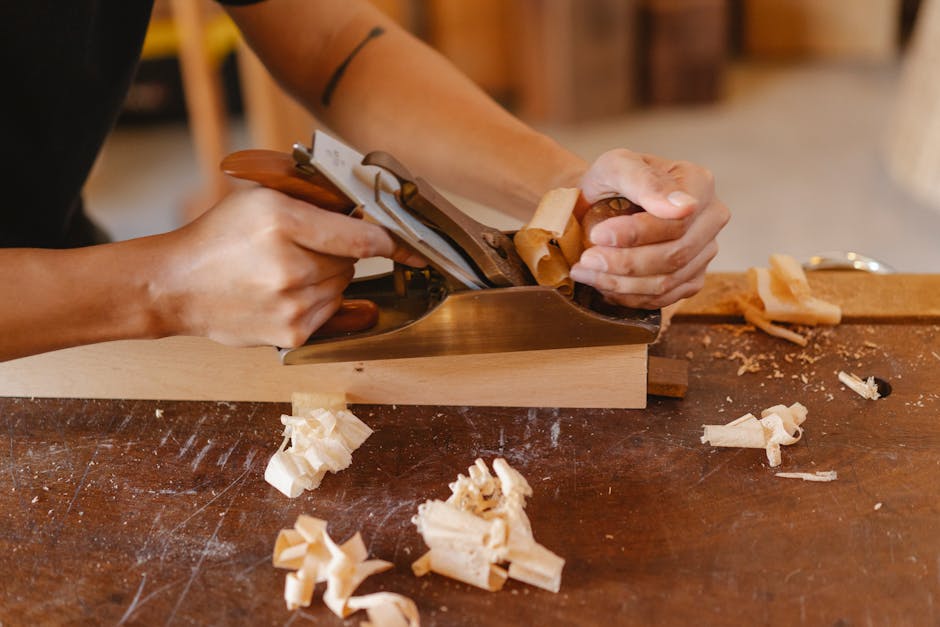
- Hand Plane: A hand plane is perfect for smoothing and shaping wood. It’s important to choose one that suits your skill level and the type of work you intend to do.
- Files and Rasps: These tools help refine edges and shapes. Invest in a set to achieve fine detail in your projects.
- Woodworking Square: Accuracy is key in woodworking. A reliable square will help you achieve perfect right angles and measurements.
Troubleshooting Tips for Hand Tool Issues
Even with the right tools, you may encounter issues while working. Here are some common problems and how to fix them:
- Dull Blades: If your hand saw or chisels are not cutting effectively, it’s likely time to sharpen them. Invest in a good sharpening kit or seek guidance from experienced woodworkers.
- Rusty Tools: To prevent rust, store your tools in a dry environment. If you discover rust, remove it with rust remover or sandpaper, and apply a protective oil afterward.
- Poor Fit: If your chisels or planes are not fitting well, check for debris or damage on the edges. Clean and inspect them regularly, and adjust as necessary.
- Hand Fatigue: If you find yourself fatigued while using hand tools, it may be a sign that the tools are not suited to your grip or strength. Consider ergonomically designed tools or adjust your technique.
Utilizing Resources for Tool Selection
When starting in woodworking, having access to comprehensive plans and resources can be a game-changer. One excellent source is Ted Woodworking, which offers a wealth of plans and tutorials that can guide you in choosing the right tools for your projects.
Conclusion
Choosing the right hand tools is a vital step toward successful woodworking. By avoiding common mistakes, selecting quality over quantity, and understanding the specific tools required for your projects, you can enhance your woodworking experience. Remember, regular maintenance and comfort should always be priorities. With the right hand tools and a bit of practice, you’ll be well on your way to creating beautiful, functional pieces of furniture.
FAQs
- What are the most important hand tools for beginners? For beginners, a hand saw, chisels, a hand plane, and a woodworking square are essential tools to start with.
- How often should I sharpen my hand tools? The frequency of sharpening depends on usage. It's advisable to sharpen tools when you notice a decrease in performance.
- Is it worth investing in high-quality hand tools? Yes, high-quality hand tools offer precision, durability, and a more enjoyable woodworking experience, making them a worthwhile investment.
📚 Related Articles
🔨 Want 16,000+ Woodworking Plans?
Get instant access to step-by-step plans with blueprints and cut lists.
Get Instant Access →