Introduction
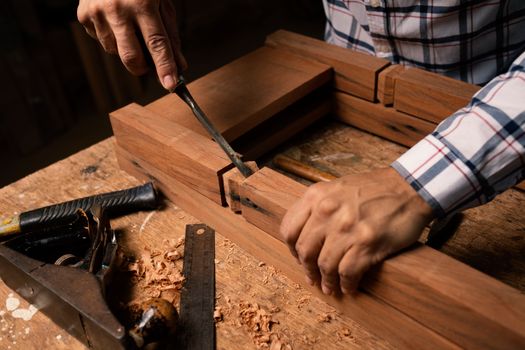
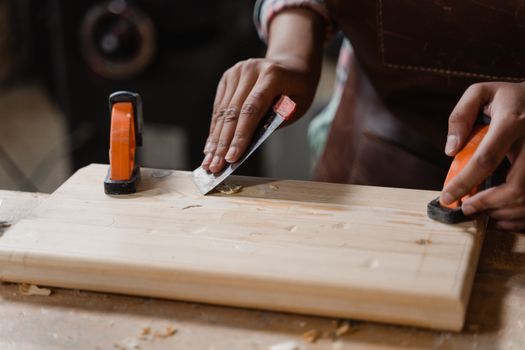
In the world of woodworking, the debate between hand tools and power tools is ongoing. Many fine woodworkers advocate for the use of hand tools, citing numerous advantages that enhance craftsmanship and the woodworking experience. In this article, we will explore the benefits of using hand tools for fine woodworking, highlight common mistakes to avoid, and provide troubleshooting tips to help you get the most out of your hand tools.
The Benefits of Hand Tools
Using hand tools offers a variety of benefits that can enrich your woodworking projects:
- Control and Precision: Hand tools allow for greater control over your cuts and shaping. This precision is essential when working on fine details, such as joinery or intricate carvings.
- Connection to the Material: Working with hand tools fosters a deeper connection with the wood. You can feel the grain and texture, allowing for a more intuitive approach to shaping and finishing your project.
- Quiet and Meditative Work: The rhythmic nature of hand tool work can be quite meditative. Unlike power tools, which can be noisy and disruptive, hand tools provide a quieter environment conducive to thoughtful craftsmanship.
- Lower Cost and Maintenance: Hand tools often require a lower initial investment compared to power tools. Additionally, they typically have fewer components that can break or require expensive repairs.
- Portability: Hand tools are easier to transport than power tools, making them ideal for woodworking in different locations or for those with limited workshop space.
Common Mistakes to Avoid When Using Hand Tools
While hand tools can provide numerous benefits, there are some common mistakes that can hinder your woodworking experience. Here are a few to watch out for:
1. Not Keeping Tools Sharp
One of the most common mistakes is neglecting to keep hand tools sharp. Dull tools can lead to poor cuts, increased frustration, and ultimately, a less enjoyable woodworking experience.
Fix: Regularly sharpen your chisels, planes, and saws. Invest in a quality sharpening system and make it a habit to check your tools before starting a project.
2. Improper Technique
Using incorrect techniques can lead to mistakes and even injuries. For example, using too much force when cutting or chiseling can cause the tool to slip or break.
Fix: Practice proper techniques by watching tutorials or reading books on hand tool use. Start with simple projects to build your skills and confidence.
3. Ignoring the Wood Grain
Wood is a natural material with its own unique grain patterns. Ignoring the grain can result in tear-out or uneven cuts, especially with chisels and planes.
Fix: Always observe the grain direction before making cuts. Adjust your approach according to the grain to achieve cleaner results.
4. Overlooking Tool Storage and Maintenance
Improper storage can lead to rust and damage. Many woodworkers neglect to maintain their tools after use, which can lead to long-term issues.
Fix: Store your tools in a dry environment. Clean and oil them after each use to prevent rust and keep them in optimal condition.
5. Rushing the Process
Woodworking is an art that requires time and patience. Rushing through the process can lead to mistakes and a final product that doesn’t meet your expectations.
Fix: Take your time to enjoy the process. Plan your project carefully, and allow yourself to work at a comfortable pace.
Finding Resources for Hand Tool Woodworking
If you're looking for plans and guidance on using hand tools effectively, Ted Woodworking offers an extensive collection of woodworking plans that cater to various skill levels. These resources can help you create beautiful furniture while honing your hand tool skills.
Conclusion
Hand tools play a vital role in the world of fine woodworking, offering benefits that enhance both the process and the final product. By avoiding common mistakes and following the troubleshooting tips outlined in this article, you can improve your hand tool skills and create stunning furniture pieces that reflect your craftsmanship.
FAQ
1. What hand tools should a beginner woodworker start with?
A beginner should consider starting with a few essential hand tools such as a hand saw, chisels, a block plane, and a coping saw. These tools provide a solid foundation for various woodworking projects.
2. How often should I sharpen my hand tools?
It’s recommended to sharpen your hand tools before each major project or whenever you notice a decrease in performance. Regular maintenance will prolong the life of your tools.
3. Are hand tools more effective than power tools?
Hand tools offer unique benefits such as precision and a deeper connection to the material. However, the effectiveness depends on the project and personal preference. Many woodworkers find value in using both hand and power tools.
📚 Related Articles
🔨 Want 16,000+ Woodworking Plans?
Get instant access to step-by-step plans with blueprints and cut lists.
Get Instant Access →