Can I Achieve Professional Results with Basic Hand Tools in Woodworking?
Woodworking is a craft that has been practiced for centuries, and while modern power tools have revolutionized the way we approach the craft, many woodworkers still find immense satisfaction in using basic hand tools. The question arises: can you achieve professional results with just these tools? The answer is a resounding yes, especially when you focus on advanced techniques in joinery, precision, and finishing. In this article, we will explore how to maximize the potential of hand tools to create stunning furniture pieces.
Understanding the Basics of Hand Tools
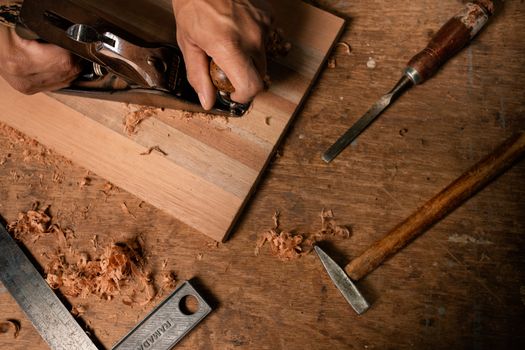
Before delving into advanced techniques, it's important to understand the essential hand tools that form the foundation of woodworking:
- Hand Saw: For cutting wood to size, a quality hand saw is indispensable.
- Chisels: Used for precise cutting and shaping of joints.
- Plane: Essential for smoothing surfaces and achieving consistent thickness.
- Square: Ensures precise angles and straight cuts.
- Marking Tools: Pencils, gauges, and knives for accurate measurements and layouts.
- Clamps: Necessary for holding pieces together during glue-up.
With these tools, you can achieve a high level of craftsmanship. However, mastering the techniques associated with them is what brings professional-level results.
Joinery Techniques: The Heart of Woodworking
A significant component of achieving professional results lies in your joinery techniques. While power tools can speed up the process, hand tools allow for a level of precision that is often unmatched.
1. Dovetail Joints
Dovetail joints are a hallmark of fine woodworking. They provide exceptional strength and visual appeal. Here’s how to create them with hand tools:
- Layout: Use a marking gauge to strike precise lines where the joint will be cut.
- Cutting: Use a backsaw to cut the tails and pins, ensuring you stay within the lines for a snug fit.
- Chiseling: Carefully remove the waste material with a chisel, paying attention to the angles for a perfect fit.
2. Mortise and Tenon Joints
This classic joint is essential for strong furniture construction. Follow these steps:
- Marking: Clearly mark the tenon dimensions on the end of the rail and the mortise locations on the leg.
- Cutting the Tenon: Use a hand saw to cut the tenon, then refine the edges with a chisel.
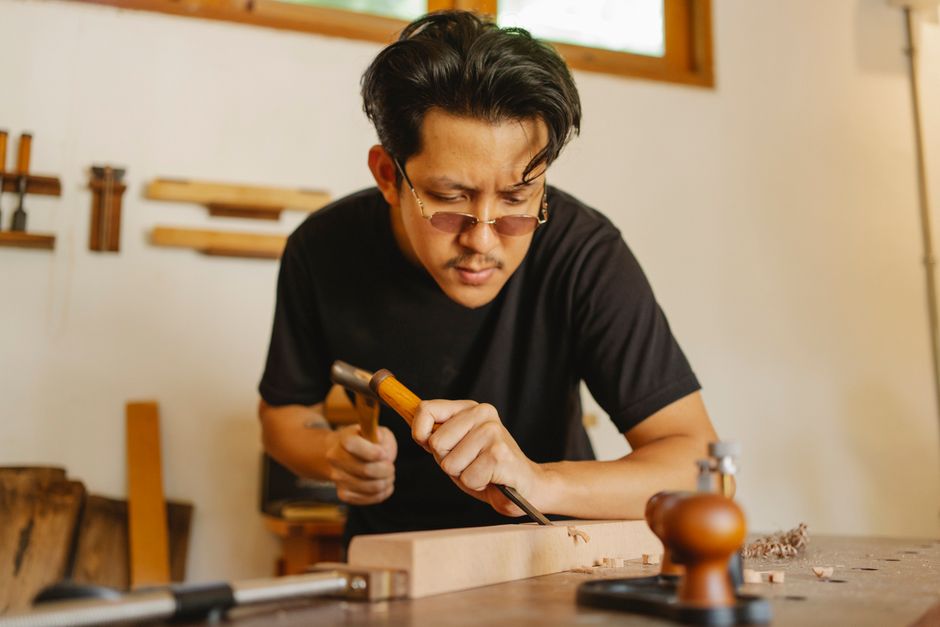
- Creating the Mortise: A mortise chisel and mallet will allow you to cut the mortise accurately.
Precision: The Key to Professional Quality
Precision in woodworking cannot be overstated. A small deviation can lead to unsightly gaps or weak joints. Here are a few tips to enhance your precision:
- Measurement: Always double-check your measurements before making cuts. Use a reliable square to ensure your lines are straight and true.
- Practice: Regular practice will improve your muscle memory and control over your tools, leading to more consistent results.
- Take Your Time: Rushing can lead to mistakes. Slow down, focus on each step, and take the time to refine your work.
Achieving a Professional Finish
The finish can make or break a project. Even the best joinery can be overshadowed by poor finishing. Use these techniques to enhance the final look of your piece:
- Sanding: Use progressively finer grits of sandpaper, starting with coarser grits to remove imperfections, working up to finer grits for a smooth surface.
- Finishing Products: Experiment with stains, oils, and finishes to find the perfect look for your wood. Always test on a scrap piece first.
- Application Techniques: Use brushes, rags, or spray cans to apply finishes evenly. Multiple thin coats are preferable to thick applications.
For those looking for inspiration and detailed plans, Ted Woodworking offers a vast array of resources that can help you create stunning pieces with hand tools.
Conclusion
In conclusion, achieving professional results in woodworking using basic hand tools is entirely possible. By mastering joinery techniques, focusing on precision, and paying attention to finishing details, you can create furniture that rivals that made with power tools. Remember, the satisfaction of crafting with your hands is unmatched, and the skills you develop will serve you well throughout your woodworking journey.
FAQ
1. Can I really achieve professional quality with just hand tools?
Yes, with practice and attention to detail, you can create high-quality pieces using only hand tools.
2. What are the most important hand tools for beginners?
Key tools include a hand saw, chisels, a plane, a square, and marking tools.
3. How do I improve my precision in woodworking?
Practice measuring and cutting carefully, and take your time to refine your technique.
📚 Related Articles
🔨 Want 16,000+ Woodworking Plans?
Get instant access to step-by-step plans with blueprints and cut lists.
Get Instant Access →