Why Choosing the Right Hand Tools Matters for Successful Woodworking
When embarking on a woodworking project, the tools you choose can make a significant difference in the quality of your work and the overall experience. While power tools often steal the spotlight, hand tools deserve equal attention, especially for budget-conscious woodworkers. In this article, we will explore why choosing the right hand tools is crucial for successful woodworking and provide some cost-saving tips along the way.
The Benefits of Hand Tools
Hand tools offer numerous advantages over their powered counterparts. Here are some key benefits that make them indispensable for woodworkers:
- Precision: Hand tools, such as chisels, hand saws, and planes, allow for greater control and precision. This is particularly useful for intricate joinery and fine details.
- Cost-effective: Hand tools are often more affordable than power tools, making them an excellent choice for those on a budget.
- Portability: Most hand tools are lightweight and easy to transport, allowing you to work in various locations without needing a dedicated workspace.
- Minimal noise: Hand tools operate quietly, making woodworking a more peaceful experience compared to the loud whir of power tools.
- Skill Development: Using hand tools helps develop woodworking skills and techniques that are beneficial regardless of your future tool choices.
Choosing the Right Hand Tools
When selecting hand tools, consider the types of projects you plan to undertake. Here are some essential hand tools every woodworker should consider:
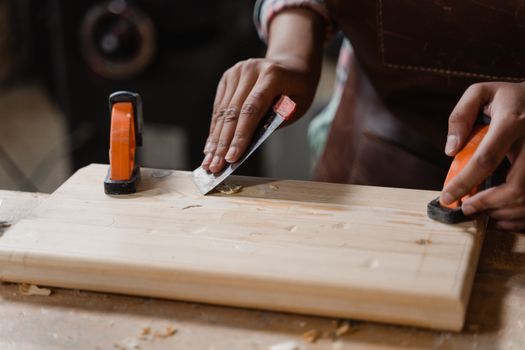
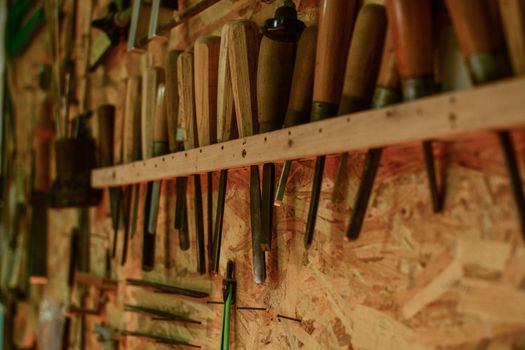
- Chisels: A good set of chisels is vital for detailed work, such as carving and joinery. Look for high-carbon steel chisels that hold an edge well.
- Saws: Hand saws, including rip saws and crosscut saws, are essential for cutting lumber. A dovetail saw is also useful for precision cuts.
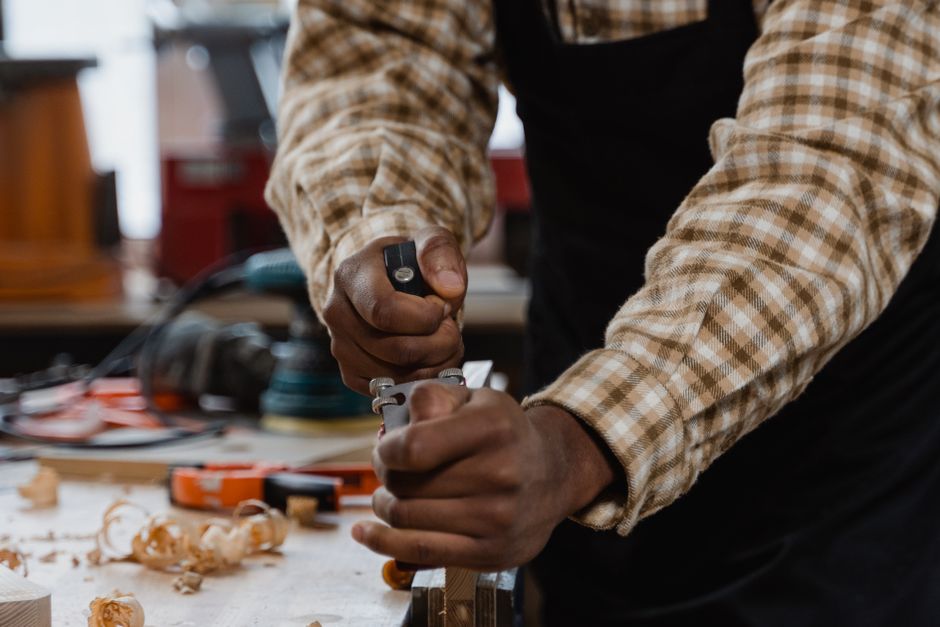
- Planes: Hand planes are perfect for smoothing surfaces and creating joints. A block plane and a bench plane are great starting points.
- Measuring and Marking Tools: Accurate measurements are key in woodworking. Invest in a good tape measure, square, and marking gauge for precision.
- Clamps: While not a hand tool in the traditional sense, clamps are crucial for holding pieces together during assembly and finishing.
Budget-Friendly Tips for Hand Tools
Building your hand tool collection doesn’t have to break the bank. Here are some cost-saving tips to help you acquire high-quality tools without overspending:
- Buy Used: Check local classifieds, flea markets, and online auction sites for used hand tools. Often, you can find high-quality tools at a fraction of the new price.
- Invest in Quality: While it may be tempting to buy the cheapest option, investing in high-quality tools can save money in the long run. Quality tools last longer and perform better.
- Start Small: Focus on acquiring a few essential tools first. Expand your collection as you gain experience and take on more complex projects.
- DIY Tools: Consider making your own hand tools, such as a simple marking gauge or even a wooden plane. There are many resources available, including Ted Woodworking, that provide plans for building your tools.
- Tool Swaps: Connect with local woodworking clubs or online communities to swap tools with others. This can be a great way to try new tools without the financial commitment.
Material Choices for Budget Builds
In addition to hand tools, the materials you choose can impact your woodworking budget. Here are some tips for selecting affordable materials:
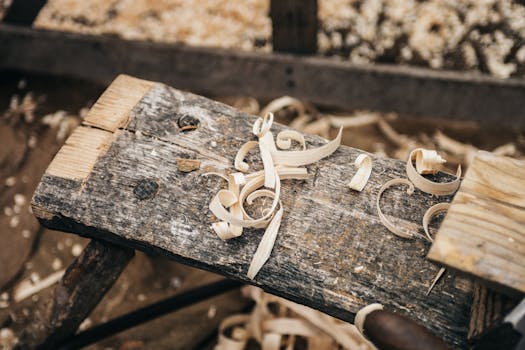
- Pallet Wood: Reclaimed pallet wood is an excellent option for budget builds. It’s often free or very inexpensive and can add character to your projects.
- Softwoods: Softwoods like pine are generally more affordable than hardwoods and are suitable for many projects, including furniture and decor.
- Local Lumberyards: Visit local lumberyards for deals on off-cuts or surplus wood. You can often find quality wood at a lower price than big-box retailers.
- Salvaged Wood: Look for salvaged wood from old furniture or buildings. This can give your projects a unique look while saving you money.
Conclusion
Choosing the right hand tools is essential for successful woodworking, especially for those on a budget. By focusing on quality, starting small, and considering your material choices, you can create beautiful projects without overspending. Remember, the joy of woodworking lies not just in the finished product but in the process itself. Happy woodworking!
FAQ
- What are the most essential hand tools for beginners?
A good set of chisels, a hand saw, a block plane, and measuring tools are great starting points. - Can I use power tools instead of hand tools?
Yes, but hand tools offer precision and control that can enhance your woodworking skills. - Where can I find affordable hand tools?
Check local classifieds, flea markets, and online auction sites for used tools, or consider making your own.
📚 Related Articles
🔨 Want 16,000+ Woodworking Plans?
Get instant access to step-by-step plans with blueprints and cut lists.
Get Instant Access →