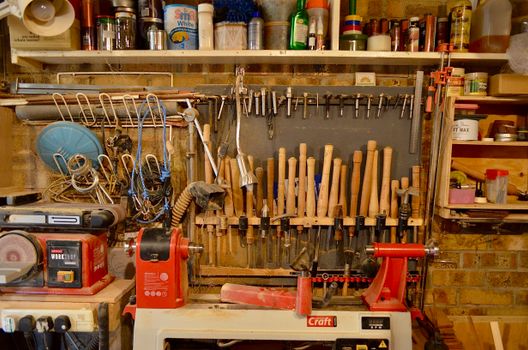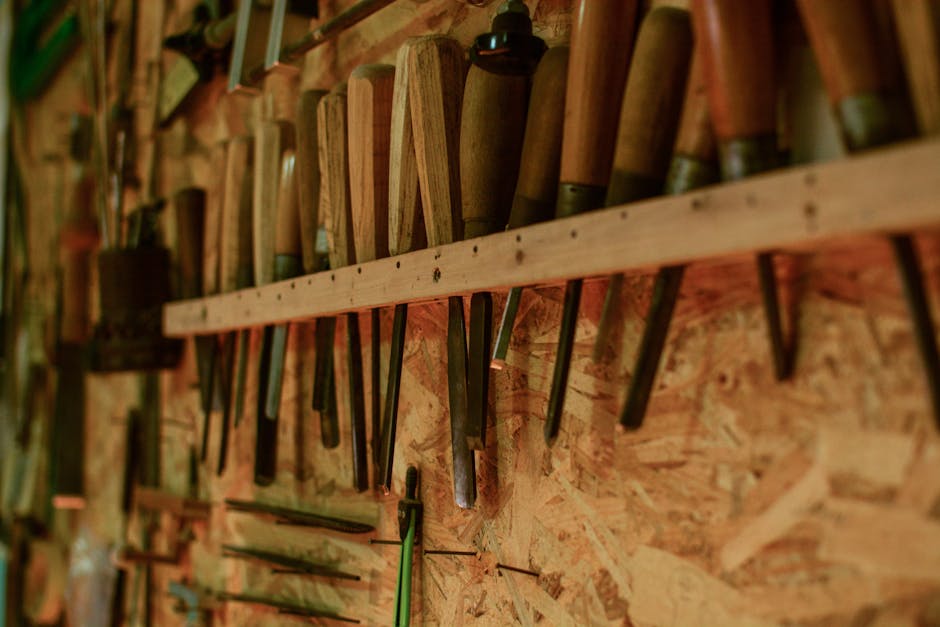
Introduction
Wood finishing is a crucial step in woodworking that enhances the beauty and durability of your projects. While power tools can be effective, hand tools often provide a level of control and precision that is hard to achieve otherwise. In this article, we will explore the best hand tools for wood finishing techniques, common mistakes to avoid, and troubleshooting tips to help you achieve stunning results.
Essential Hand Tools for Wood Finishing
When it comes to finishing wood, several hand tools are indispensable. Each tool serves a unique purpose, and mastering their use can significantly improve your results.
1. Sandpaper
Sandpaper is a fundamental tool in wood finishing. Its various grits allow you to smooth surfaces, remove imperfections, and prepare wood for finishing products.
- Coarse Grit (40-80): Ideal for heavy material removal and shaping.
- Medium Grit (120-180): Perfect for smoothing surfaces and removing scratches from coarse sanding.
- Fine Grit (220 and above): Used for final sanding before applying finishes.
2. Hand Scrapers
Hand scrapers are excellent for refining surfaces and eliminating small imperfections that sandpaper might miss. They provide a smooth finish without the risk of sanding through thin wood veneers.
- Types: Card scrapers and cabinet scrapers are the most common types.
- Tip: Keep your scrapers sharp for best results. A dull scraper can damage wood instead of smoothing it.
3. Brushes
Brushing on finishes provides even coverage and allows for greater control compared to spraying. There are several types of brushes to consider:
- Natural bristle brushes: Best for oil-based finishes.
- Synthetic brushes: Great for water-based finishes.
- Foam brushes: Ideal for applying finishes on flat surfaces without leaving brush marks.
4. Rags and Cloths
Soft, lint-free rags are essential for applying wipes and cleaning up excess finish. They are also useful for polishing and buffing between coats.
- Tip: Always use clean rags to avoid transferring dirt or debris onto your project.
5. Wood Burnishing Tools
Burnishing tools, such as a wooden dowel or a specialized burnisher, help to compress the wood fibers, creating a smooth, satin finish without the need for additional products.
- Technique: Use a circular motion and apply moderate pressure for the best results.
Common Mistakes to Avoid in Wood Finishing
Even with the best tools, mistakes can happen in the finishing process. Here are some common pitfalls and how to troubleshoot them:
1. Skipping Grits
A common mistake is skipping grits when sanding. Moving from a coarse grit directly to a fine grit can leave visible scratches.
- Fix: Always sand with at least three different grits—coarse, medium, and fine. Each step prepares the wood for the next, ensuring a smooth finish.
2. Applying Too Much Finish
Applying too much finish can lead to drips and an uneven surface. This is particularly problematic with oil-based finishes.
- Fix: Use a brush or rag to apply thin, even coats. Allow each coat to dry completely before applying the next.
3. Not Preparing the Surface
Failing to properly prepare the wood surface can lead to poor adhesion of finishes. Dust, dirt, and oil can cause finishes to peel or bubble.
- Fix: Thoroughly clean the surface before applying any finish. A tack cloth is ideal for removing dust.
Troubleshooting Tips
Even seasoned woodworkers encounter issues during the finishing process. Here are some troubleshooting tips:
1. Uneven Color
If your finish appears uneven, it may be due to inconsistent application or insufficient preparation.
- Solution: Sand the area lightly and reapply a thin coat of finish, ensuring even coverage.
2. Bubbles in Finish
Bubbles can form when applying finishes too quickly or when applying over a dirty surface.
- Solution: Sand the affected area smooth, clean the surface, and reapply the finish slowly.
3. Cloudy Finish
A cloudy appearance often indicates moisture trapped under the finish.
- Solution: Allow the piece to dry completely and then lightly sand before reapplying the finish.
Conclusion
Choosing the right hand tools for wood finishing is essential for achieving a professional look in your woodworking projects. By avoiding common mistakes and following troubleshooting tips, you can enhance your skills and create beautiful finished pieces. For those looking to expand their woodworking knowledge, resources like Ted Woodworking offer comprehensive plans and guidance.
FAQ
1. What grit sandpaper should I start with for finishing?
Start with a coarse grit (around 80) for initial sanding, then progress to medium (120-180) and finish with fine grit (220 and above).
2. How can I avoid brush marks when applying finish?
Apply thin coats of finish and use high-quality brushes. Always brush in the direction of the wood grain.
3. Is it necessary to sand between coats of finish?
Yes, sanding between coats helps promote adhesion and results in a smoother finish. Use fine grit sandpaper for this step.
📚 Related Articles
🔨 Want 16,000+ Woodworking Plans?
Get instant access to step-by-step plans with blueprints and cut lists.
Get Instant Access →